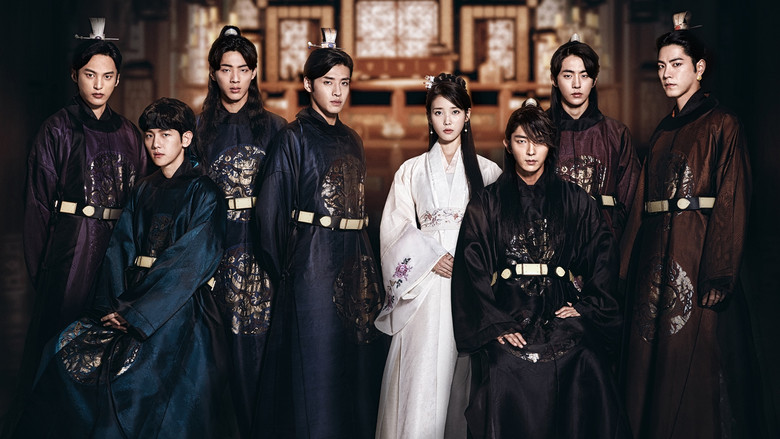
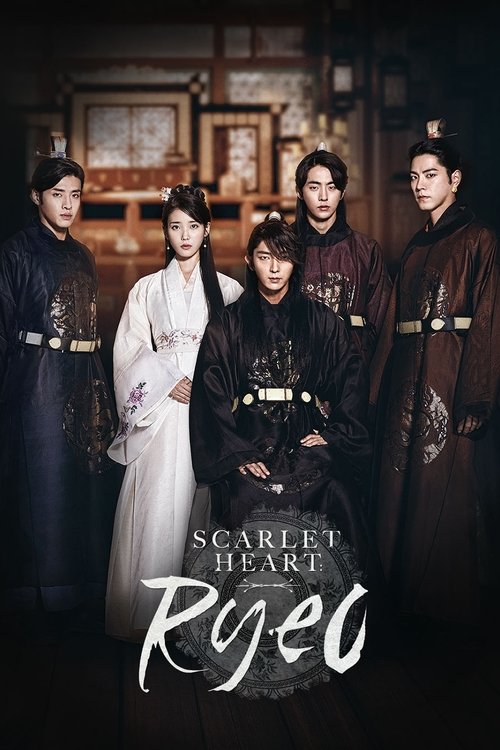
달의 연인 - 보보경심 려
"I'll be waiting for you, even if it's for a thousand years."
Scarlet Heart: Ryeo - Symbolism & Philosophy
Symbols & Motifs
Wang So's Mask
The mask symbolizes Wang So's emotional scars, his rejection by his mother, and his alienation from the world. It is a physical manifestation of the pain and trauma he hides. When Hae Soo helps him see past the scar, it signifies her acceptance of his true self, and when he removes it, it represents his willingness to be vulnerable and open himself to love and a different future.
Wang So wears the mask for the first part of the series. Hae Soo is the first person to treat him normally despite his scar. A pivotal moment occurs when she creates a concealer to cover his scar, allowing him to participate in a royal ritual without the mask, marking a significant turning point in their relationship and his character's journey toward self-acceptance.
The Hairpin
The hairpin is a symbol of love, connection, and enduring memory across time. Initially a gift from Wang So to Hae Soo, it represents their bond and his promise to her. Its appearance in different contexts, including on their daughter, signifies the lasting legacy of their love, even after separation and death.
Wang So gives the hairpin to Hae Soo as a token of his affection. After Hae Soo's death, Wang So sees the same hairpin on their daughter, whom Prince Wang Jung has been raising. This confirms the child's identity and serves as a painful, yet beautiful, reminder of the love he lost. In the final scene, Hae Soo sees a portrait of Wang So in a museum, solidifying the hairpin's role as a link between their past and her present.
Rain Ritual
The rain ritual scene symbolizes a major turning point in the public's perception of Wang So and in Hae Soo's feelings for him. It represents salvation, acceptance, and the moment Wang So steps out of the shadows and into the light as a figure of power and destiny. It is the moment Hae Soo realizes the depth of her connection to him and his future as king.
During a drought, the princes perform rituals to bring rain, but fail. When the ostracized Wang So steps in to perform the ritual as the final prince, the people are initially hostile. Hae Soo, remembering he is the future king, uses her makeup skills to cover his scar. As he walks forward, confident and unmasked, the sky opens and rain begins to fall, solidifying his legitimacy in the eyes of the people and forever changing his and Hae Soo's path.
Solar Eclipse
The solar eclipse is the catalyst for the entire story, serving as a supernatural portal between the modern world and the Goryeo era. It symbolizes a disruption in the natural order of time and reality, allowing for a fateful intervention. It represents the merging of two worlds and two destinies, setting the stage for the tragic events that follow.
The series begins when Go Ha-jin drowns during a total solar eclipse, only to awaken as Hae Soo in the 10th century. In the final episode, as Hae Soo looks back on her life in Goryeo, she sees another eclipse in the modern world, bringing the narrative full circle and reinforcing the celestial event as the bridge between her two lives.
Philosophical Questions
Can one person's actions truly change the course of history?
The series constantly grapples with this question through its protagonist, Hae Soo. Armed with future knowledge, she repeatedly tries to avert the tragedies she knows are coming—the deaths of the princes and Wang So's transformation into a lonely tyrant. However, her interventions often have a 'Cassandra effect'; not only is she not believed, but her actions sometimes seem to precipitate the very events she seeks to prevent. The drama suggests a deterministic view of history, where major events are fixed points. Hae Soo's presence doesn't change the 'what' of history, but it profoundly changes the 'why' and the emotional journeys of the people involved, posing the question of whether changing hearts is as significant as changing events.
Is true love defined by being together, or by the sacrifices made for one another?
"Scarlet Heart: Ryeo" presents a tragic exploration of love and sacrifice. The central romance between Hae Soo and Wang So is ultimately torn apart by the very actions they take to protect each other. Wang So seeks the throne to gain the power to keep Hae Soo safe, but becoming king creates a political environment where their love cannot survive. Hae Soo leaves him to protect him and their unborn child from the dangers of the palace. Their story questions the conventional 'happily ever after' by proposing that the ultimate expression of their love was not in their union, but in their painful, selfless sacrifices, which ensured the other's survival at the cost of their own happiness.
Core Meaning
The core meaning of "Scarlet Heart: Ryeo" explores the inescapable nature of destiny and the profound tragedy that arises from love clashing with power. It posits that even with knowledge of the future, one's attempts to alter history may inadvertently become the very actions that ensure it. The series is a poignant meditation on loss, regret, and the agonizing realization that love, no matter how deep, cannot always conquer the corrupting influence of ambition and the predetermined course of fate. Ultimately, it suggests that life is a series of choices with irreversible consequences, and the deepest scars are not physical but emotional, carried across time and memory.