Scener ur ett äktenskap
Scenes from a Marriage - Symbolism & Philosophy
Symbols & Motifs
The Marital Bed
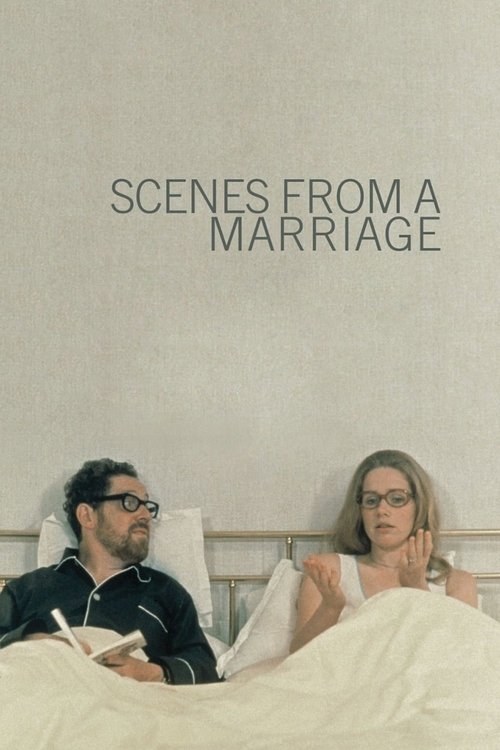
The bed symbolizes the shifting intimacy, emotional distance, and battleground of the marriage. It represents the core of their relationship, where vulnerability, desire, conflict, and comfort are negotiated.
The film features numerous crucial scenes in the bedroom. It is where they discuss their lackluster sex life, where Johan confesses his affair, and where they lie together in turmoil. The physical space of the bed reflects their emotional state—sometimes a vast, empty space between them, other times a place of desperate clinging or violent confrontation.
The House
The house represents the container of their marriage—the bourgeois security and the life they have built. As their relationship decays, the house transforms from a symbol of stability into a claustrophobic space and, eventually, a repository of memories and ghosts of the past.
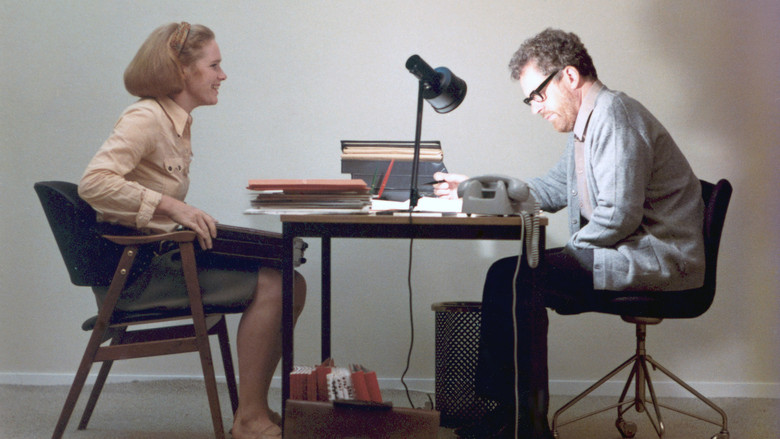
In the beginning, their home is the setting for the idealized magazine interview. During the divorce, it becomes the office where they brutally sign the divorce papers. Years later, when they are having an affair, they secretly meet at a friend's country house, a neutral space where they can forge a new kind of connection outside the confines of their old life.
The Telephone
The telephone acts as a conduit for painful revelations and failed connections. It often delivers news that shatters the fragile peace of the characters' lives, symbolizing the intrusion of outside realities into their insulated world.
A crucial moment occurs when Marianne, after Johan leaves, calls a friend for support only to discover that her friends already knew about the affair, amplifying her sense of isolation and betrayal. Phone calls throughout the film often interrupt tense moments or signal a turning point in the narrative, highlighting the characters' inability to communicate directly and honestly.
Philosophical Questions
Can true intimacy exist within the confines of institutionalized marriage?
The film relentlessly questions whether the societal expectations, roles, and ideal of security inherent in marriage ultimately suffocate genuine emotional honesty. Johan and Marianne's relationship is most 'successful' when it is a performance for a magazine and most 'real' when it is falling apart. Their eventual connection as lovers, outside the bounds of any formal commitment, suggests that true intimacy for them was only possible after the institution was destroyed, raising the question of whether the structure itself is the impediment to love.
Is loneliness a fundamental, unchangeable part of the human condition?
Through Johan's character, the film explores the existentialist idea that loneliness is absolute and that all attempts at connection are ultimately illusions designed to comfort us. The entire narrative can be seen as a case study for this proposition. Even in their most intimate moments, a gap remains between the characters. The film forces the audience to consider whether perfect communion with another person is ever truly possible, or if we are all fundamentally isolated, even from those we love most.
Is the destruction of a relationship a necessary prerequisite for self-discovery?
Both Marianne and Johan are forced into a period of painful self-examination only after their comfortable life is shattered. Marianne, in particular, blossoms into a more complex and self-assured individual after the divorce. The film poses a difficult question: Must we lose the foundational structures of our lives—like a marriage—to truly find out who we are? It suggests that comfort and security can lead to emotional and psychological stagnation, and that crisis, while devastating, can be a powerful and necessary catalyst for growth.
Core Meaning
Ingmar Bergman's core message in "Scenes from a Marriage" is a profound and unsettling exploration of the fragility of love and the institution of marriage. Bergman suggests that the bourgeois ideal of a secure, orderly life can emotionally suffocate individuals, leading to a state of "emotional illiteracy." The film argues that true intimacy requires a brutal honesty that societal conventions and personal fears often suppress. It posits that beneath the veneer of a successful marriage can lie deep-seated loneliness and a failure to truly know one's partner or oneself. Ultimately, the film suggests that love is not a static state of contentment but a dynamic, often painful process of destruction and reinvention, and that a meaningful connection can sometimes only be found after the formal structure of marriage has been stripped away.