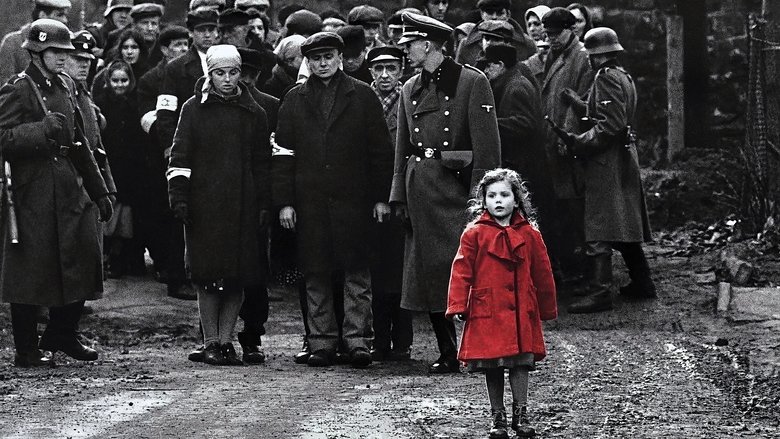
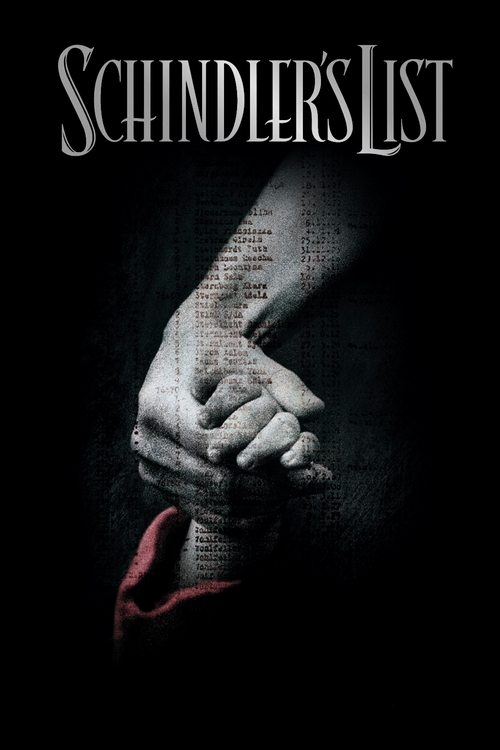
The narrative arc of "Schindler's List" hinges on the profound transformation of its protagonist. The central 'twist' is not a plot point in the traditional sense, but the gradual revelation of Oskar Schindler's true character. Initially presented as a self-serving Nazi party member and war profiteer, the audience is led to believe his actions are purely for personal gain. The turning point occurs as he witnesses the liquidation of the Kraków ghetto. The sight of the girl in the red coat awakens his dormant conscience, and his motivations begin to shift from profit to preservation.
A crucial development is Schindler's manipulation of Amon Goeth. He leverages his friendship with the sadistic commandant, using flattery and bribes not just for business, but to protect his workers. The creation of "the list" is the film's climax—a tense, life-or-death endeavor where Schindler spends his entire fortune to "buy" each of his workers, saving them from the extermination camps. A key plot turn involves the train carrying the women from his list being mistakenly diverted to Auschwitz. Schindler must then race to the death camp and use his last remaining diamonds to bribe the commandant, Rudolf Höss, to release them, a harrowing sequence that underscores how close to death they came.
The ending reveals the full impact of Schindler's actions. After the war, he is a penniless fugitive, but he has saved over 1,100 people. The film's emotional catharsis comes in two parts: first, Schindler's breakdown, where he weeps over the lives he failed to save, fully completing his transformation into a selfless hero. Second, the powerful epilogue, filmed in color, shows the actual survivors (the *Schindlerjuden*) and the actors who portrayed them visiting Schindler's grave in Jerusalem, placing stones on it as a sign of respect. This ending reveals that because of his actions, there are now over 6,000 descendants of the people he saved, making the film's central message—"Whoever saves one life, saves the world entire"—tangibly and powerfully real.