Schindler's List
A haunting black-and-white elegy that finds a flicker of profound humanity amidst the vast, soul-crushing machinery of inhumanity.
Schindler's List

Schindler's List

"Whoever saves one life, saves the world entire."

15 December 1993 United States of America 195 min ⭐ 8.6 (16,743)
Director: Steven Spielberg
Cast: Liam Neeson, Ben Kingsley, Ralph Fiennes, Caroline Goodall, Jonathan Sagall
Drama War History
The Duality of Good and Evil Dehumanization The Power of an Individual Virtue and Transformation
Budget: $22,000,000
Box Office: $321,365,567

Overview

Based on the true story of Oskar Schindler, a German businessman and member of the Nazi party who arrives in Kraków, Poland, during World War II hoping to make his fortune. Initially a charismatic opportunist, Schindler sees the war as a chance for immense profit and establishes an enamelware factory, employing Jewish labor because it is cheaper. He hires Itzhak Stern, a resourceful Jewish accountant, to manage the factory's operations.

As Schindler witnesses the escalating brutality of the Nazi regime, particularly the liquidation of the Kraków ghetto and the horrific violence overseen by the sadistic SS commandant Amon Goeth, his perspective begins to shift. The film chronicles his gradual and profound transformation from a war profiteer to a humanitarian who risks everything to protect his Jewish workers, whom he comes to see not as mere laborers but as individuals deserving of life. He uses his wealth and influence to bribe Nazi officials, turning his factory into a haven and ultimately compiling a list of over a thousand Jews to be transferred to a new factory in Brünnlitz, effectively saving them from the gas chambers of Auschwitz.
Core Meaning

The core meaning of "Schindler's List" is the profound exploration of humanity's capacity for both immense evil and extraordinary good, often within the same individual. Director Steven Spielberg wanted to tell a story that confronts the horrors of the Holocaust without flinching, yet also finds a powerful message of hope and the triumph of the human spirit in the face of absolute darkness. The film's message is encapsulated in the Talmudic saying engraved on the ring given to Schindler by his workers: "Whoever saves one life saves the world entire." It asserts that individual acts of conscience, courage, and compassion can make a significant difference, even amidst systematic and overwhelming atrocity. The film serves as a powerful testament to the memory of the victims and a stark warning against the dangers of hatred and indifference.

Thematic DNA

The Duality of Good and Evil 35%
Dehumanization 30%
The Power of an Individual 25%
Virtue and Transformation 10%

The Duality of Good and Evil

The film masterfully contrasts the characters of Oskar Schindler and Amon Goeth to explore the theme of good versus evil. Schindler begins as a flawed, self-serving opportunist, a member of the Nazi party driven by profit, but evolves into a savior. Goeth, on the other hand, represents the embodiment of Nazi cruelty and sadism, a man who kills without remorse. However, the film also explores the complexities within these characters. Goeth has moments of conflicting desire, particularly for his Jewish maid, Helen Hirsch, revealing a flicker of humanity buried deep within his monstrous nature. Schindler's transformation is gradual, suggesting that the capacity for good can emerge from the most unlikely of individuals when confronted with profound injustice.

Dehumanization

A central theme is the systematic dehumanization of the Jewish people by the Nazi regime. The Nazis viewed Jews as sub-human, a belief reflected in their brutal treatment, from forcing them into ghettos to their mass extermination. The film depicts this through scenes of casual violence, the confiscation of property, and the reduction of individuals to names on a list to be bought and sold. The piles of personal belongings—suitcases, clothes, and even gold teeth—symbolize the stripping away of individual identity and the immense loss of life.

The Power of an Individual

"Schindler's List" powerfully illustrates that one person can make a profound difference. Oskar Schindler, initially motivated by self-interest, ultimately uses his position and resources to save over a thousand lives. His story serves as a testament to the idea that courage and moral conviction can challenge overwhelming evil. The film contrasts his actions with the indifference and complicity of many others, emphasizing the moral responsibility of individuals in the face of atrocity. This theme is also seen in Itzhak Stern, who subtly uses his administrative role to save people by deeming them "essential workers."

Virtue and Transformation

The film is a profound study of moral transformation. Schindler's journey from a callous war profiteer to a selfless hero is the central character arc. His initial indifference to the plight of the Jews gives way to compassion as he witnesses their suffering firsthand. This theme is closely tied to his relationship with Itzhak Stern, who acts as his conscience and guides him toward making moral decisions. Schindler's eventual breakdown, where he weeps for not having saved more people, marks the completion of his transformation and highlights the film's exploration of virtue.

Character Analysis

Oskar Schindler

Liam Neeson

Archetype: Anti-hero turned Hero
Key Trait: Pragmatic Charisma

Motivation

Initially, his motivation is purely financial gain and the lavish lifestyle it affords him. He is driven by opportunism and a desire for success. As the film progresses, his motivation shifts to a deep-seated need to preserve life and defy the inhumanity he witnesses. His final motivation is a profound sense of moral responsibility and a desire to atone for his earlier complicity.

Character Arc

Oskar Schindler's arc is one of the most profound transformations in cinema. He begins as a charismatic, womanizing, and greedy member of the Nazi party, solely focused on profiting from the war. He exploits Jewish labor without moral compunction. However, his exposure to the horrors of the Holocaust, epitomized by his witnessing of the Kraków ghetto liquidation, gradually awakens his conscience. He evolves from an indifferent profiteer into a compassionate protector, using his cunning and wealth not for personal gain but to save the lives of his Jewish workers. By the end, he is a man who has sacrificed everything and is devastated that he couldn't have saved more people.

Itzhak Stern

Ben Kingsley

Archetype: The Conscience/Mentor
Key Trait: Quiet Resilience

Motivation

Stern's primary motivation is the survival of his people. He is driven by a strong sense of duty and a desire to use any means necessary to save as many Jews as possible from extermination. He is intelligent and resourceful, using his administrative skills to manipulate the system from within.

Character Arc

Itzhak Stern's arc is more subtle but equally significant. He starts as a proud and principled Jewish accountant who is initially contemptuous of Schindler's opportunism. He sees Schindler as just another cog in the Nazi machine. Stern is the first to realize the potential of Schindler's factory as a haven and quietly uses his position to save fellow Jews by classifying them as essential workers. Over time, his relationship with Schindler evolves from one of suspicion to one of deep mutual respect and collaboration. He becomes Schindler's moral compass and a key partner in the rescue efforts.

Amon Goeth

Ralph Fiennes

Archetype: The Shadow/Villain
Key Trait: Sadistic Cruelty

Motivation

Goeth is motivated by a deep-seated hatred for Jews and a lust for absolute power. He enjoys the fear he instills in his prisoners and the god-like control he has over their lives. His actions are driven by a sadistic and cruel nature that finds a sanctioned outlet within the Nazi regime.

Character Arc

Amon Goeth does not have a traditional character arc of growth or change; rather, he is a consistent representation of the sadistic and banal evil of the Nazi ideology. As the commandant of the Płaszów concentration camp, he is cruel, unpredictable, and takes pleasure in the suffering of others. The film does, however, explore the complexities of his evil. His lust for his Jewish maid, Helen Hirsch, reveals a twisted and conflicted inner world, but he is ultimately incapable of transcending his hatred. He remains a monster until his execution, where he defiantly salutes Hitler.

Symbols & Motifs

The Girl in the Red Coat

Meaning:

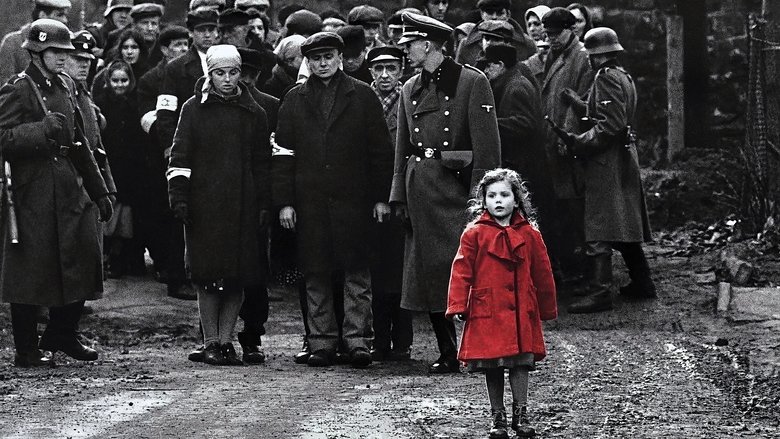
The girl in the red coat is a powerful and multifaceted symbol. Her red coat, a stark splash of color in the predominantly black-and-white film, represents innocence and the individual human life amidst mass slaughter. She symbolizes the larger tragedy of the Holocaust and the international community's failure to act, a "red flag" that was largely ignored. For Schindler, she is the catalyst for his transformation, personalizing the horror and forcing him to confront the human cost of the atrocities he had been witnessing from a distance.

Context:

Schindler first sees the little girl during the brutal liquidation of the Kraków ghetto. He watches from a hilltop as she calmly walks through the chaos, seemingly unnoticed by the SS soldiers. Later in the film, he sees her lifeless body, recognizable only by the red coat, being exhumed from a mass grave. This moment solidifies his resolve to save as many lives as he can.

The Lists

Meaning:

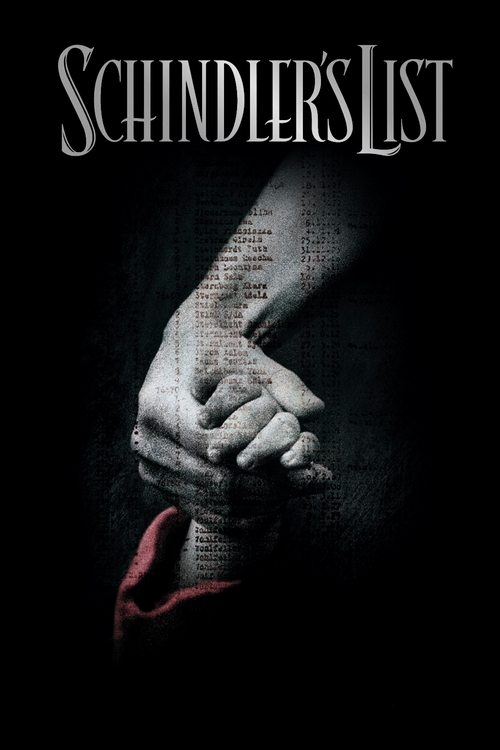
Lists are a recurring motif that represents the bureaucratic and dehumanizing nature of the Holocaust, as well as the fragility of life. The Nazi lists determined who would be sent to labor camps or to their deaths. In stark contrast, Schindler's list becomes a symbol of life, hope, and salvation. It represents the ultimate triumph of good over evil, as Schindler manipulates the very tool of Nazi bureaucracy to save lives. The film's title itself emphasizes the power and significance of this list.

Context:

Throughout the film, various lists are shown, from transport lists to work rosters. The most significant is the one compiled by Schindler and Itzhak Stern, containing the names of the Jews to be transferred to the safety of his factory in Brünnlitz. The scene where Stern types the list is filled with tension and hope, as each name typed signifies a life saved.

The Sabbath Candles

Meaning:

The flame of the Sabbath candles, which bookend the main narrative of the film in color, symbolizes hope, the resilience of the Jewish spirit, and the continuity of life and faith. The initial scene in color shows a Jewish family observing Shabbat, representing the vibrant life that was nearly extinguished. The final scene of Schindler's workers observing the Sabbath in his factory represents a glimmer of hope and the restoration of their humanity and traditions.

Context:

The film opens in color with a family lighting Sabbath candles. The flame then fades to smoke, and the film transitions to black and white, symbolizing the beginning of the Holocaust. The candles reappear in color towards the end, after Schindler allows his workers to observe the Sabbath in the factory. This return to color signifies the end of the darkest period and the beginning of a return to life.

Memorable Quotes

The list is an absolute good. The list is life. All around its margins lies the gulf.

— Itzhak Stern

Context:

Stern says this to Schindler as they are compiling the list of Jews to be saved and transferred to the new factory in Brünnlitz. It is a moment of profound realization of the significance of their actions.

Meaning:

This quote encapsulates the central theme of the film. In a world of moral ambiguity and immense evil, the list created by Schindler and Stern represents a singular, undeniable act of goodness. It draws a clear line between life and death, hope and despair. The "gulf" refers to the abyss of the Holocaust that surrounds the small island of salvation they have created.

Power is when we have every justification to kill, and we don't.

— Oskar Schindler

Context:

Schindler is having a conversation with a drunk Amon Goeth, who has been randomly shooting prisoners from his balcony. Schindler tries to manipulate Goeth by suggesting that pardoning people is a greater display of power than killing them.

Meaning:

Schindler says this to Amon Goeth in an attempt to appeal to his ego and curb his murderous impulses. It is a profound philosophical statement about the nature of true power, defining it not as the ability to inflict violence but as the strength to show mercy and restraint. It represents a key moment in Schindler's own moral development as he begins to actively try to influence the world around him for the better.

Whoever saves one life, saves the world entire.

— Itzhak Stern (quoting the Talmud)

Context:

At the end of the war, as Schindler prepares to flee, the Jewish workers he saved present him with a gold ring they made. Stern presents the ring, explaining the meaning of the Hebrew inscription.

Meaning:

This quote, inscribed on the ring given to Schindler by the workers he saved, is the film's ultimate message. It signifies the immense value of every individual human life and suggests that the act of saving even one person has a ripple effect that touches all of humanity. It honors Schindler's actions and provides a powerful, hopeful conclusion to a story of immense tragedy.

Philosophical Questions

What is the nature of evil?

The film explores evil not as a monolithic force but as something that manifests through the actions and inactions of individuals. Amon Goeth represents a sadistic, almost theatrical evil, driven by hatred and a lust for power. However, the film also depicts the more banal, bureaucratic evil of the Nazi system, where countless individuals participated in or were complicit in mass murder by simply following orders or looking the other way. It forces the audience to question whether evil is an inherent trait or a choice that people make.

Can one person truly make a difference in the face of overwhelming systemic injustice?

The entire narrative of Oskar Schindler's transformation answers this question with a resounding yes. The film posits that while systems of oppression can be vast and powerful, the moral choices of individuals still have immense power. Schindler's actions, which saved over a thousand people, are a testament to this idea. The film's closing message, "Whoever saves one life, saves the world entire," reinforces the profound impact of individual courage and compassion.

What are the motivations for altruism?

The film deliberately leaves Schindler's motivations somewhat ambiguous, reflecting the historical enigma of the man himself. Was he driven by a genuine change of heart, a desire for a heroic legacy, or a complex mix of guilt, ego, and compassion? By not providing a simple answer, the film encourages the audience to contemplate the complex and often murky origins of selfless acts, suggesting that profound good can emerge from flawed and ordinary people.

Alternative Interpretations

While "Schindler's List" is widely acclaimed, some critical interpretations and debates have emerged over the years. One area of discussion revolves around the film's focus on a German savior, which some critics argue inadvertently centers a non-Jewish narrative in a story about Jewish suffering. This perspective suggests that by highlighting the actions of a righteous gentile, the film might risk downplaying the agency and resistance of Jewish people themselves.

Another point of contention is the final scene where Schindler breaks down, lamenting that he could have saved more people. Some critics have found this moment to be overly sentimental and perhaps inconsistent with the pragmatic and enigmatic character portrayed throughout the rest of the film. They argue that it simplifies his complex motivations into a more conventional Hollywood hero narrative. Despite these alternative readings, the film's overall impact as a powerful and important work of Holocaust remembrance is largely undisputed.

Cultural Impact

"Schindler's List" had a profound and lasting cultural impact, significantly shaping public consciousness and understanding of the Holocaust. Released in 1993, the film brought the stark realities of the Shoah to a mainstream global audience with unprecedented emotional force. It was praised for its historical authenticity and its powerful, unflinching portrayal of both the depths of human cruelty and the heights of courage. The film's critical and commercial success—it won seven Academy Awards, including Best Picture and Best Director—helped to solidify the Holocaust's place in popular memory.

For many, "Schindler's List" became a primary source of education about the Holocaust. Its realistic, documentary-style cinematography, shot almost entirely in black and white, lent it an air of historical gravity. The film inspired director Steven Spielberg to establish the Survivors of the Shoah Visual History Foundation (now the USC Shoah Foundation), which has collected over 55,000 testimonies from survivors and witnesses, creating an invaluable historical archive. In Germany, the film's release sparked a renewed public dialogue about the country's Nazi past and its responsibility. It has become a staple of history education in schools around the world and remains a powerful cinematic testament against hatred and intolerance.

Audience Reception

Audience reception for "Schindler's List" was overwhelmingly positive, with viewers and critics alike hailing it as a masterpiece. It received a rare A+ CinemaScore, indicating exceptional audience approval. The film was praised for its emotional power, its historical gravity, and its sensitive yet unflinching depiction of the Holocaust. Many viewers found it to be a deeply moving and transformative cinematic experience. The performances of Liam Neeson, Ben Kingsley, and especially Ralph Fiennes were widely acclaimed. However, due to its graphic and disturbing content, some viewers found the film incredibly difficult to watch. The primary criticism, though minor in the face of widespread praise, sometimes centered on the perceived sentimentality of the ending, particularly Schindler's emotional breakdown. Overall, audiences regarded it as a historically significant and essential film.

Interesting Facts

  • Steven Spielberg famously refused to accept a salary for directing the film, considering it "blood money." Any profits he would have made were used to establish the USC Shoah Foundation, which has recorded the testimonies of tens of thousands of Holocaust survivors and witnesses.
  • The actress who played the girl in the red coat, Oliwia Dąbrowska, was only three years old during filming. Spielberg made her promise not to watch the film until she was eighteen. She watched it when she was eleven and was horrified, but as an adult, she is proud of her role.
  • Ralph Fiennes's portrayal of Amon Goeth was so chillingly accurate that when Holocaust survivor Mila Pfefferberg met him on set in full SS uniform, she began to tremble uncontrollably because he so closely resembled the real Goeth.
  • The film is based on the 1982 historical novel "Schindler's Ark" by Thomas Keneally.
  • Spielberg initially tried to offer the project to other directors, including Roman Polanski (a Holocaust survivor) and Martin Scorsese, because he felt he wasn't ready to tackle the subject matter.
  • The film was shot over 72 days in Kraków, Poland, and Spielberg approached it with the style of a documentary, avoiding Steadicams, cranes, and zoom lenses.
  • The final scene of the film, where the actual Schindler Jews and the actors who portrayed them place stones on Schindler's grave in Jerusalem, is a powerful and moving tribute.
  • The real Amon Goeth was even more sadistic than his portrayal in the film, according to historical accounts and survivor testimonies.

⚠️ Spoiler Analysis

Click to reveal detailed analysis with spoilers

Frequently Asked Questions

Explore More About This Movie

Dive deeper into specific aspects of the movie with our detailed analysis pages

Comments (0)

Leave a comment

No comments yet. Be the first to share your thoughts!