The core meaning of "Schindler's List" is the profound exploration of humanity's capacity for both immense evil and extraordinary good, often within the same individual. Director Steven Spielberg wanted to tell a story that confronts the horrors of the Holocaust without flinching, yet also finds a powerful message of hope and the triumph of the human spirit in the face of absolute darkness. The film's message is encapsulated in the Talmudic saying engraved on the ring given to Schindler by his workers: "Whoever saves one life saves the world entire." It asserts that individual acts of conscience, courage, and compassion can make a significant difference, even amidst systematic and overwhelming atrocity. The film serves as a powerful testament to the memory of the victims and a stark warning against the dangers of hatred and indifference.
"Whoever saves one life, saves the world entire."
Director: Steven Spielberg
Cast: Liam Neeson, Ben Kingsley, Ralph Fiennes, Caroline Goodall, Jonathan Sagall
Schindler's List — Symbolism & Philosophy
Symbols & Motifs
The Girl in the Red Coat
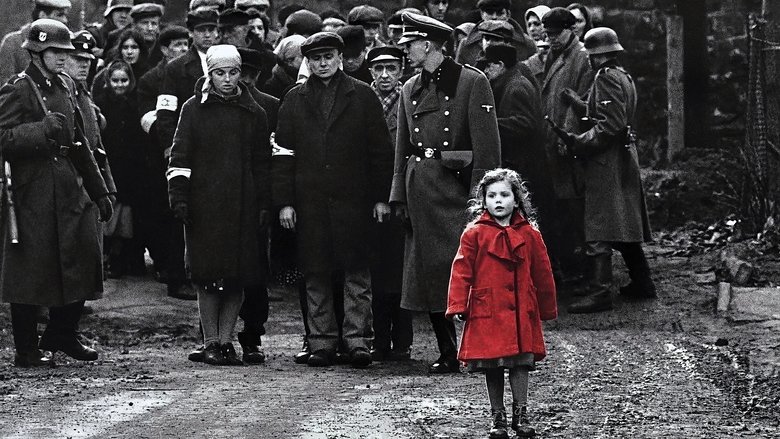
The girl in the red coat is a powerful and multifaceted symbol. Her red coat, a stark splash of color in the predominantly black-and-white film, represents innocence and the individual human life amidst mass slaughter. She symbolizes the larger tragedy of the Holocaust and the international community's failure to act, a "red flag" that was largely ignored. For Schindler, she is the catalyst for his transformation, personalizing the horror and forcing him to confront the human cost of the atrocities he had been witnessing from a distance.
Schindler first sees the little girl during the brutal liquidation of the Kraków ghetto. He watches from a hilltop as she calmly walks through the chaos, seemingly unnoticed by the SS soldiers. Later in the film, he sees her lifeless body, recognizable only by the red coat, being exhumed from a mass grave. This moment solidifies his resolve to save as many lives as he can.
The Lists
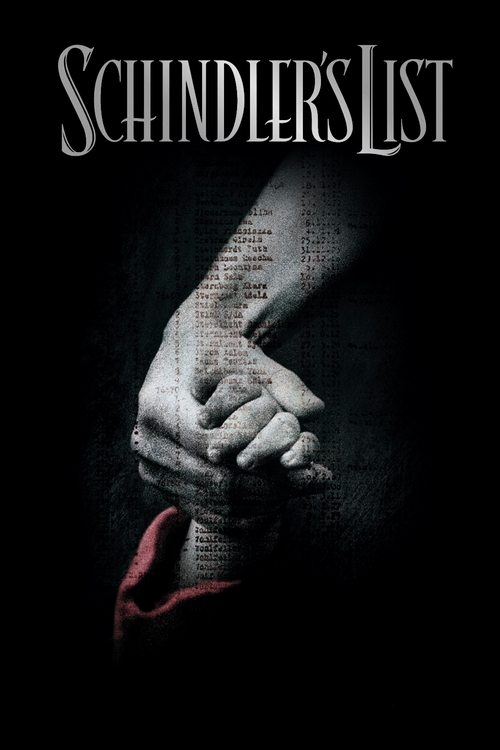
Lists are a recurring motif that represents the bureaucratic and dehumanizing nature of the Holocaust, as well as the fragility of life. The Nazi lists determined who would be sent to labor camps or to their deaths. In stark contrast, Schindler's list becomes a symbol of life, hope, and salvation. It represents the ultimate triumph of good over evil, as Schindler manipulates the very tool of Nazi bureaucracy to save lives. The film's title itself emphasizes the power and significance of this list.
Throughout the film, various lists are shown, from transport lists to work rosters. The most significant is the one compiled by Schindler and Itzhak Stern, containing the names of the Jews to be transferred to the safety of his factory in Brünnlitz. The scene where Stern types the list is filled with tension and hope, as each name typed signifies a life saved.
The Sabbath Candles
The flame of the Sabbath candles, which bookend the main narrative of the film in color, symbolizes hope, the resilience of the Jewish spirit, and the continuity of life and faith. The initial scene in color shows a Jewish family observing Shabbat, representing the vibrant life that was nearly extinguished. The final scene of Schindler's workers observing the Sabbath in his factory represents a glimmer of hope and the restoration of their humanity and traditions.
The film opens in color with a family lighting Sabbath candles. The flame then fades to smoke, and the film transitions to black and white, symbolizing the beginning of the Holocaust. The candles reappear in color towards the end, after Schindler allows his workers to observe the Sabbath in the factory. This return to color signifies the end of the darkest period and the beginning of a return to life.
Philosophical Questions
What is the nature of evil?
The film explores evil not as a monolithic force but as something that manifests through the actions and inactions of individuals. Amon Goeth represents a sadistic, almost theatrical evil, driven by hatred and a lust for power. However, the film also depicts the more banal, bureaucratic evil of the Nazi system, where countless individuals participated in or were complicit in mass murder by simply following orders or looking the other way. It forces the audience to question whether evil is an inherent trait or a choice that people make.
Can one person truly make a difference in the face of overwhelming systemic injustice?
The entire narrative of Oskar Schindler's transformation answers this question with a resounding yes. The film posits that while systems of oppression can be vast and powerful, the moral choices of individuals still have immense power. Schindler's actions, which saved over a thousand people, are a testament to this idea. The film's closing message, "Whoever saves one life, saves the world entire," reinforces the profound impact of individual courage and compassion.
What are the motivations for altruism?
The film deliberately leaves Schindler's motivations somewhat ambiguous, reflecting the historical enigma of the man himself. Was he driven by a genuine change of heart, a desire for a heroic legacy, or a complex mix of guilt, ego, and compassion? By not providing a simple answer, the film encourages the audience to contemplate the complex and often murky origins of selfless acts, suggesting that profound good can emerge from flawed and ordinary people.
Core Meaning
Explore More About This Movie
Dive deeper into specific aspects of the movie with our detailed analysis pages