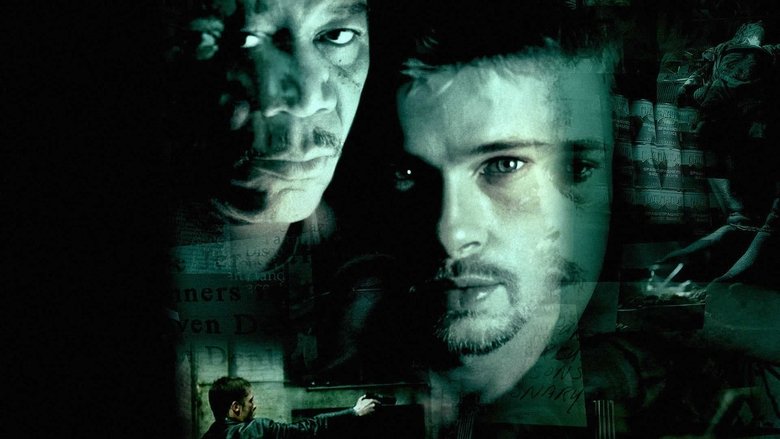
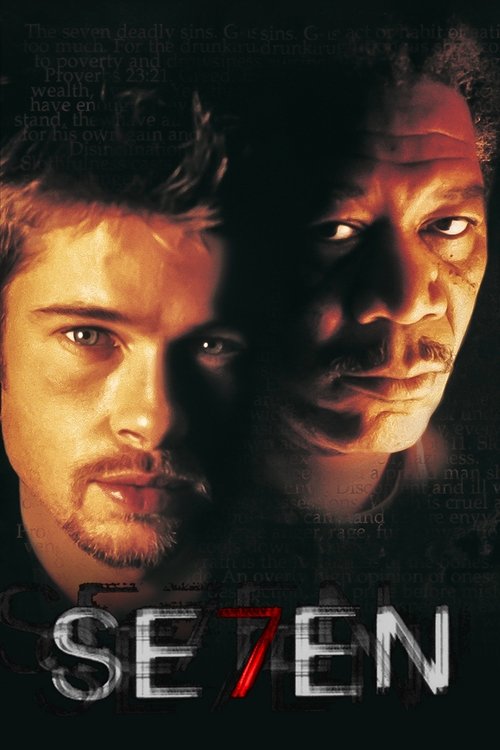
The narrative of Se7en is a meticulously constructed trap, not just for the characters, but for the audience. The central twist of the film is that the serial killer, John Doe, is not just trying to evade capture, but is actively orchestrating his own defeat as the final act of his masterpiece. After committing five murders based on the sins of Gluttony, Greed, Sloth, Lust, and Pride, John Doe unexpectedly turns himself in, covered in blood.
He then strikes a deal with the police: he will lead detectives Mills and Somerset to the final two bodies, or else he will plead insanity. He directs them to a remote, arid location outside the city. As they wait, a delivery van arrives with a package for Mills. Somerset intercepts it and is horrified by its contents. The first part of the final reveal is that the box contains the severed head of Mills's pregnant wife, Tracy. John Doe then reveals his role in the final two sins: he represents 'Envy', as he was jealous of Mills's ordinary, loving life. He then goads Mills, revealing Tracy was pregnant, and explains that by killing him in a fit of rage, Mills will become the final sin: 'Wrath'. Despite Somerset's pleas, the grief-stricken Mills shoots John Doe dead, thus completing the killer's seven-part sermon and ensuring his own damnation. The true horror of the film is not just the murders, but the realization that the entire investigation was merely a prelude to the detectives themselves becoming the final, crucial pieces of the killer's plan.