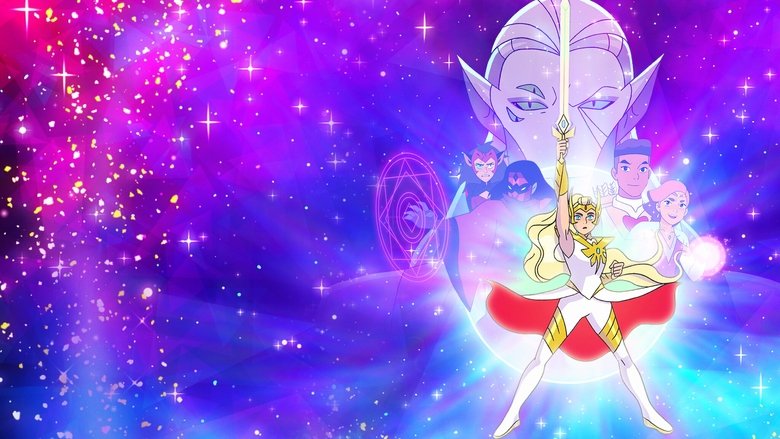
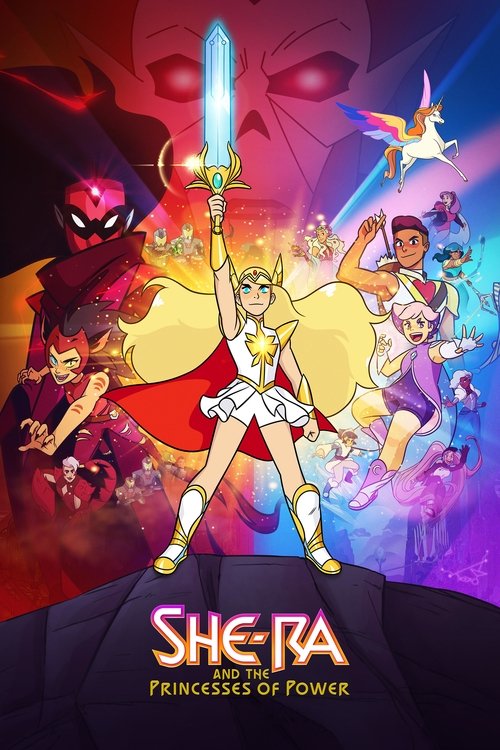
"She-Ra and the Princesses of Power" is built on several major twists that redefine the characters and their world. The central secret revealed in Season 1 is that Adora, a Horde soldier, is the new She-Ra, a legendary hero of the enemy rebellion.
A key Season 3 twist reveals that the previous She-Ra, Mara, didn't go mad with power as Adora was led to believe. Instead, she discovered that the First Ones, She-Ra's creators, had built a superweapon called the Heart of Etheria to drain the planet's magic and control the universe. Mara sacrificed herself by pulling Etheria into a pocket dimension called Despondos to keep the weapon from being used. This recasts the First Ones not as benevolent ancestors, but as cosmic colonizers, and Mara as a true hero who rebelled against her creators.
The finale of Season 4 provides another major turning point. Glimmer, in her grief and desperation, decides to use the Heart of Etheria, forcing Adora to shatter her Sword of Protection to stop it. This act breaks the failsafe, ejects Etheria from Despondos back into the main universe, and leaves Adora powerless. This immediately brings them to the attention of the true main villain, Horde Prime, Hordak's creator, who arrives and captures Glimmer and Catra, setting the stage for the final season.
The series finale reveals that She-Ra's power was never truly in the sword; it was within Adora all along, meant to be channeled through love. When Adora is infected with a virus by Horde Prime and dying, unable to transform, Catra confesses her love for her. This act of pure emotional connection allows Adora to transform into her most powerful form, purge the virus, activate the failsafe to release all of Etheria's magic (healing the planet), and ultimately destroy Horde Prime's consciousness. The power of the universe wasn't a weapon to be controlled, but love itself. The series ends with Adora and Catra in a confirmed romantic relationship, alongside Glimmer and Bow, planning to bring magic back to the rest of the universe.