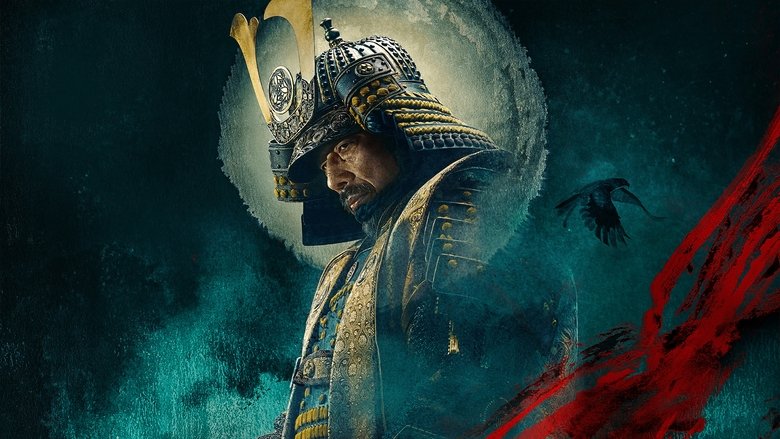
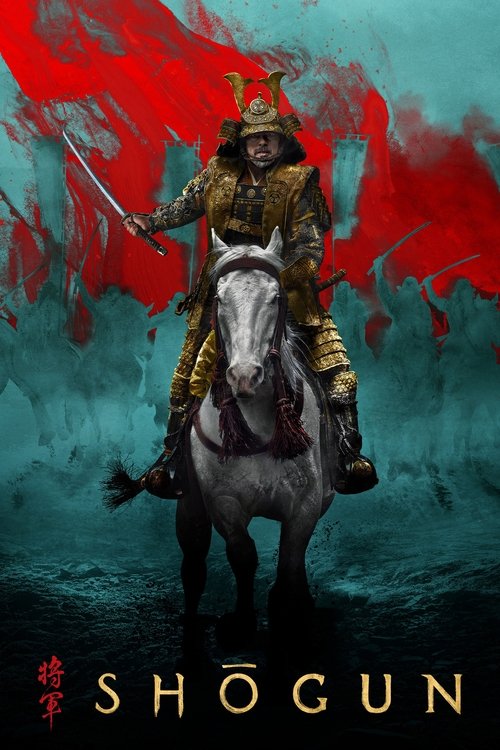
"An epic saga of war, passion, and power set in Feudal Japan."
Shōgun - Symbolism & Philosophy
Symbols & Motifs
The Rotting Pheasant
The pheasant, which Blackthorne hangs in his home, symbolizes his stubborn adherence to his own culture and his defiance of Japanese customs. Its decay represents the slow erosion of his old identity and the futility of clinging to his past in this new world. It's a comedic and poignant symbol of the deep cultural chasm between him and his hosts.
In Episode 5, "Broken to the Fist," Blackthorne is gifted a game pheasant. He hangs it, intending to let it age before cooking, a common practice in England. The Japanese household finds the smell unbearable and repeatedly disposes of it, leading to a tragic misunderstanding where Blackthorne's gardener is executed for touching it against his orders. The incident becomes an extraordinary symbol of Blackthorne's disruptive effect on his new allies and a harsh lesson in the consequences of cultural ignorance.
The Eightfold Fence
The 'Eightfold Fence' is a poetic metaphor for the mind's ability to compartmentalize and create an inner sanctuary. It represents the Japanese cultural practice of maintaining a serene and polite exterior while concealing one's true thoughts and emotions. For Mariko, it is a crucial survival mechanism, allowing her to endure her traumatic life and abusive marriage while remaining focused on her duty.
This concept is introduced by Mariko in Episode 4, "The Eightfold Fence," as she explains to Blackthorne how she can endure her circumstances. She describes it as building walls within her mind where she can retreat. The theme of hiding one's true heart is prevalent throughout the series, especially in the actions of Toranaga and the guarded nature of Mariko's interactions.
Crimson Sky
"Crimson Sky" initially represents a plan for a swift, brutal assault on Osaka to seize power. However, its meaning evolves to symbolize a more subtle and ultimately more powerful strategy: a sacrifice that achieves a political victory without a major battle. It becomes synonymous with Mariko's calculated martyrdom, a political act that shatters the unity of Toranaga's enemies.
The plan is mentioned throughout the series as Toranaga's last-ditch effort. In the finale, "A Dream of a Dream," Toranaga reveals to Yabushige that Mariko's death *was* the true Crimson Sky. Her protest and death in Osaka forced Ishido into a corner, revealed his dishonor, and prompted Lady Ochiba to withdraw her support, ensuring Toranaga's victory before the war even began.
Philosophical Questions
What is the true nature of freedom?
The series relentlessly explores this question by contrasting Blackthorne's Western desire for self-determination with Mariko's Eastern understanding of freedom through duty. Blackthorne believes freedom is the ability to go where he wants and do as he pleases. Mariko and the Japanese culture she represents suggest this is a cage of self-interest. They propose that true liberation comes from unburdening oneself from the 'self' and submitting to a larger purpose—be it a lord, a code of honor, or the flow of fate. The show doesn't necessarily declare a winner but shows Blackthorne's transformation from one viewpoint to the other, suggesting that purpose, not autonomy, is what ultimately sets a person free.
Can one person truly shape their own destiny?
"Shōgun" consistently challenges the idea that individuals are the sole authors of their lives. Toranaga's success comes from his belief that he cannot control events, only position himself to benefit from their inevitable unfolding. Blackthorne arrives believing he can bend the world to his will, only to find himself a pawn in a game far older and more complex than he can imagine. Mariko accepts her tragic destiny but finds power in choosing how to meet it. The series suggests that while individuals have agency, they operate within a larger, unchangeable 'pattern' or karma. True wisdom lies not in fighting this pattern, but in understanding one's place within it.
Core Meaning
The core meaning of "Shōgun" revolves around the themes of fate, duty, and the illusion of control. It explores the profound philosophical differences between Western individualism and Japanese collectivism through the eyes of its central characters. The series posits that true freedom isn't found in the relentless pursuit of individual ambition, as embodied by John Blackthorne initially, but in understanding and accepting one's role within a larger, unchangeable 'pattern of events'. Toranaga's ultimate victory is not achieved through brute force, but through meticulous planning, patience, and the manipulation of his enemies' desires and fears. Mariko's tragic arc demonstrates that the greatest power can be wielded through purposeful self-sacrifice, fulfilling a duty that transcends her own life. Ultimately, the series suggests that greatness and legacy are achieved not by fighting the current of fate, but by studying its flow and navigating it with intelligence and resolve.