Shrek
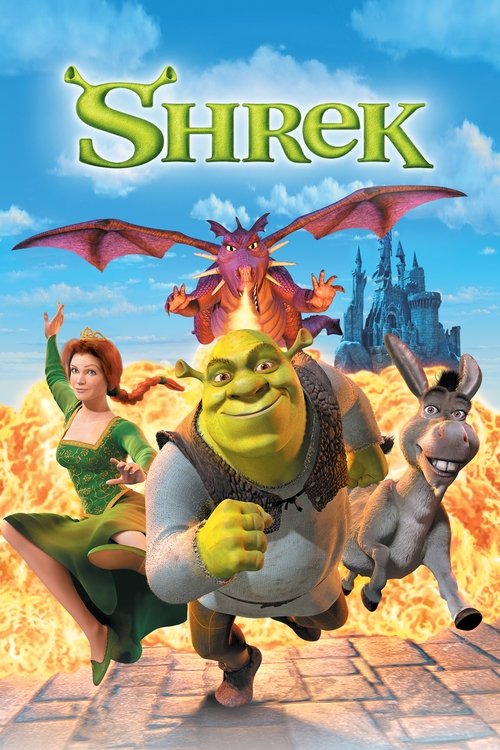
A satirical fairytale overturning conventions where a misanthropic ogre finds love and self-worth. Amidst emerald swamps and plastic kingdoms, it celebrates the beauty within the grotesque, proving that even monsters deserve happy endings.
Shrek
Shrek

"The greatest fairy tale never told."

18 May 2001 United States of America 90 min ⭐ 7.8 (18,271)
Director: Andrew Adamson Vicky Jenson
Cast: Mike Myers, Eddie Murphy, Cameron Diaz, John Lithgow, Vincent Cassel
Animation Family Fantasy Comedy Adventure
True Beauty & Self-Acceptance Subversion of Fairy Tale Tropes Prejudice & Social Ostracization Friendship & Vulnerability
Budget: $60,000,000
Box Office: $488,628,188

Shrek - Ending Explained

⚠️ Spoiler Analysis

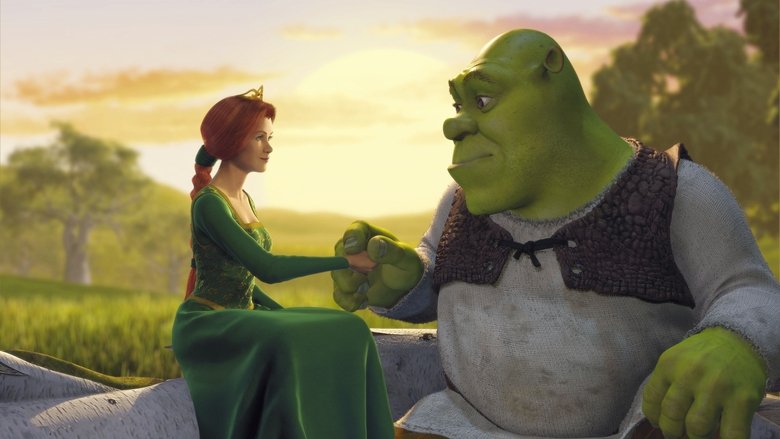
The film's major twist lies in Princess Fiona's curse. While Shrek assumes she is a perfect princess who judges him for his looks, it is revealed she turns into an ogre at sunset. She hides this because she believes she is unlovable in that form.

The climax disrupts the wedding between Fiona and Farquaad. Shrek confesses his love, and as the sun sets, Fiona transforms in front of everyone. Farquaad is eaten by the Dragon (who has fallen in love with Donkey). The final subversion occurs when Shrek and Fiona share true love's first kiss. The spell states she will take "love's true form." Instead of turning back into a human, she remains an ogre permanently. This confirms that her "true form"—the one where she is happiest and most authentic—is as an ogre with Shrek, shattering the expectation that a happy ending requires physical perfection.

Alternative Interpretations

The Marxist Class Analysis: Critics have noted that Shrek represents the proletariat (working class), living in squalor and content with his lot, while Lord Farquaad represents the bourgeoisie, obsessing over capital and perfection. Donkey attempts to raise Shrek's 'class consciousness,' urging him to fight for his rights rather than just negotiate for his swamp.

The Jungian Shadow: Shrek can be seen as a journey of individuation. Shrek projects his 'Shadow' (his aggression and monstrousness) onto the world to protect his ego. Fiona represents the 'Anima' (the female inner personality) that he must integrate to become a whole person. The quest is not physical but psychological, breaking down the persona to find the true self.