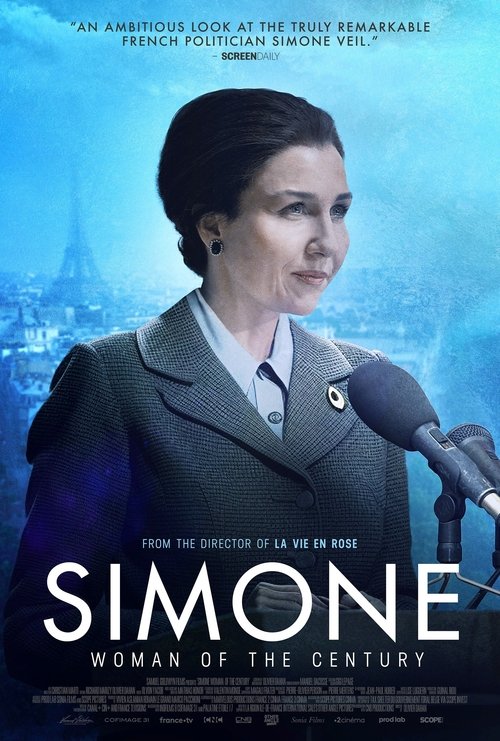
The film's non-linear structure is its primary narrative device, meaning the "spoilers" are less about plot twists and more about how the past and present are interwoven to create meaning. The entire film is framed as an elderly Simone Veil recounting her life for her memoirs, which allows for the fluid jumps in time. The film deliberately holds back the most graphic and detailed depictions of the horrors of Auschwitz and the death march to Bergen-Belsen until later in the runtime. This is a conscious choice by director Olivier Dahan to first establish Simone as a formidable political figure, a wife, and a mother. By doing so, when the audience is finally immersed in the full brutality of her teenage experience—witnessing her mother's death from typhus in her arms—the impact is more profound. We are not seeing a historical victim, but the near-destruction of the powerful woman we have come to know.
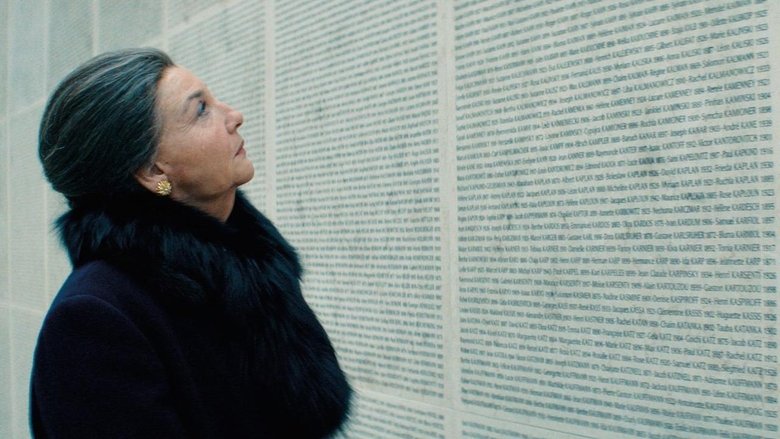
The ending of the film is a quiet, contemplative culmination of her life's work. It brings together the two timelines in a final, poignant sequence. We see her as an older woman at the Shoah Memorial in Paris, touching the names of the deported on the wall, including her family's. This is intercut with the final, idyllic memory of her childhood—swimming with her family at the beach in La Ciotat before the war. The final shot is a long, still frame of this happy family moment. The juxtaposition implies that this lost world of love and family is what she fought for her entire life. It is a memory she carries not as a ghost, but as an inspiration. The film ends on this note of human connection, suggesting that her epic public journey was always rooted in the most intimate of human bonds, tragically severed but never forgotten. Her final voiceover about the transmission of memory serves as a direct address to the audience, charging them with the responsibility of carrying these lessons into the future.