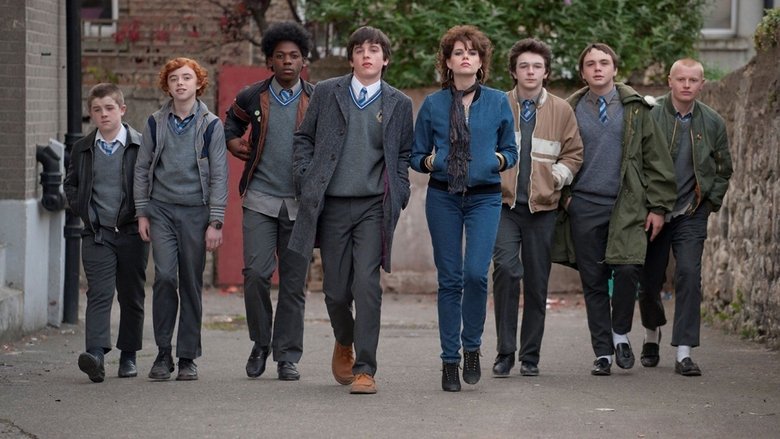
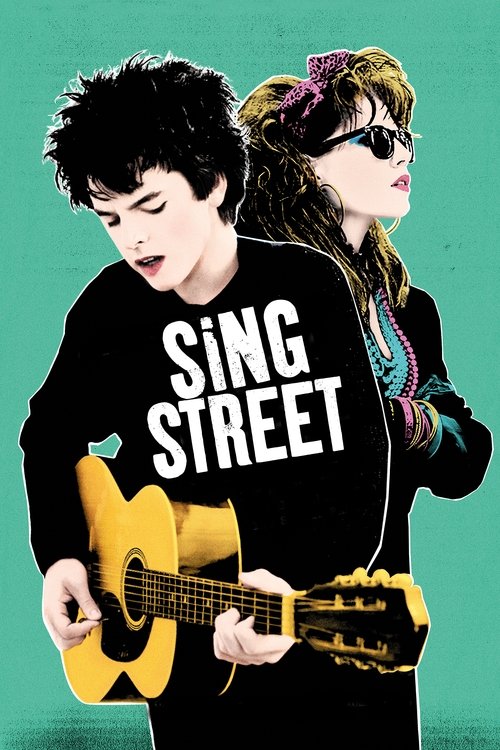
The plot of "Sing Street" culminates in a school dance where the band plays its first and only major gig. Conor, emboldened by his artistic journey, writes a song called "Brown Shoes" that openly mocks the tyrannical school principal, Brother Baxter, who had humiliated him for not wearing the regulation black shoes. During the performance, the band distributes masks of Baxter's face to the audience, turning the event into a joyous act of mass rebellion. Raphina, who had briefly left for London with her older boyfriend only to be abandoned, returns just in time for the show, reconciling with Conor.
The film's final act is a significant plot turn. Instead of waiting for a record deal or a planned departure, Conor and Raphina make the impulsive decision to leave for London that very night. The hidden meaning of this climax is deeply tied to the character of Brendan. Throughout the film, Brendan has been the voice of wisdom and musical education, but also a figure of tragic inaction. In the final scenes, he fully embraces his role as the enabler of his brother's dream. He drives the couple to the coast and gives Conor his own anorak and some of his song lyrics, symbolically passing the torch. As Conor and Raphina set sail in a small, risky boat into a storm, Brendan watches from the shore, first with tears and then with euphoric cheers. This reveals the true depth of his character arc: his ultimate success is not in his own escape, but in facilitating his brother's. The ending is intentionally ambiguous; director John Carney has stated he wanted it to feel like a fantasy or a music video, leaving it unclear whether they safely reach London. This uncertainty underscores the film's core message: the triumph is in the act of leaving, the courageous leap into the unknown, not necessarily in the guaranteed happy ending.