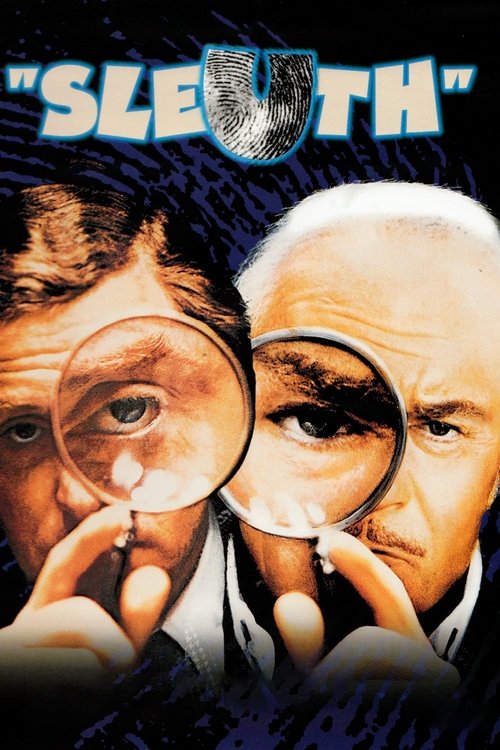
Sleuth
A claustrophobic psychological duel disguised as a gentleman's game. Amidst a labyrinth of automata and class resentment, two men engage in a battle of wits where the line between playful deception and lethal reality dissolves.
Sleuth
Sleuth

"Think of the perfect crime... Then go one step further."

10 December 1972 United Kingdom 138 min ⭐ 7.7 (681)
Director: Joseph L. Mankiewicz
Cast: Laurence Olivier, Michael Caine
Crime Thriller Mystery
Class Conflict and Entitlement Illusion vs. Reality Gamesmanship and Dominance
Budget: $3,500,000
Box Office: $5,750,000

Sleuth - Ending Explained

⚠️ Spoiler Analysis

The First Twist: The burglary is a setup. Wyke reveals he intends to shoot Milo as a prowler. He fires the gun, but it contains a blank. Milo collapses from shock and humiliation, not death.

The Second Twist: Inspector Doppler, who arrives to investigate Milo's disappearance, is actually Milo in disguise. He terrorizes Wyke with planted evidence, forcing Wyke to confess to a murder he didn't commit.

The Ending: Milo reveals his identity and that he has planted evidence suggesting Wyke killed his mistress, Tea. As Wyke frantically destroys the 'evidence', Milo reveals it was all a lie—he didn't kill Tea, and the police are on their way to arrest Wyke for the attempted murder of Milo (recorded on tape). In a fit of rage and defeat, Wyke grabs the gun and shoots Milo for real just as the police lights flash outside. Wyke is trapped, ending the game in mutual destruction.

Alternative Interpretations

The Homoerotic Subtext: Many critics have noted an underlying current of attraction between the two men. The obsession with each other, the intimate nature of their games, and the exclusion of women (who are only discussed or seen in portraits) suggest that the 'game' is a substitute for a sexual relationship they cannot express.

The Suicide Pact: Another reading suggests that Wyke, bored and lonely, subconsciously desires a worthy opponent who can defeat him. In this view, he goads Milo into destroying him because he prefers a dramatic, fatal ending to a life of irrelevance.