La sociedad de la nieve
"Based on a remarkable true story."
Society of the Snow - Symbolism & Philosophy
Symbols & Motifs
The Andes Mountains
The mountains symbolize both the unforgiving power of nature and a spiritual crucible. They are a relentless antagonist, presenting physical obstacles and extreme weather. At the same time, their vastness and isolation force the survivors into a state of introspection, questioning their place in the universe and their relationship with God.
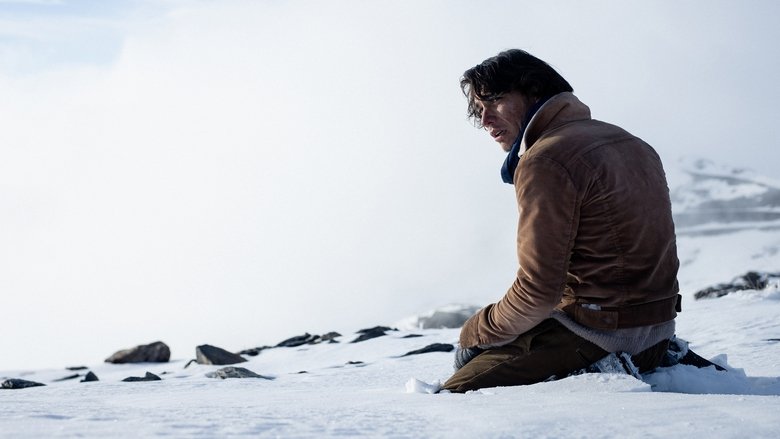
The mountains are a constant visual presence, often shown in wide, sweeping shots that dwarf the human figures, emphasizing their vulnerability. The stark, white landscape creates a sense of both desolation and purity, a blank canvas upon which the survivors' drama unfolds.
The Fuselage
The wreckage of the plane becomes a paradoxical symbol of both a tomb and a womb. It is the site of the initial trauma and death, yet it also provides shelter and becomes the birthplace of their new society. It represents the fragile boundary between life and death that the survivors inhabit.
The film frequently uses claustrophobic shots inside the fuselage, contrasting with the expansive emptiness outside. It's within this confined space that the survivors huddle for warmth, care for the injured, and make their most difficult decisions.
The Suitcase of Mementos
This symbolizes memory, legacy, and the enduring connection between the living and the dead. By refusing to leave the suitcase behind, Gustavo Zerbino ensures that the stories and identities of those who perished will be returned to their families. It represents a sacred duty to honor their memory beyond the act of survival.
Towards the end of the film, as the rescue helicopters arrive, Gustavo Zerbino adamantly refuses to board without a suitcase filled with the belongings of the deceased. This act underscores the deep sense of responsibility the survivors felt towards their fallen companions.
The Red Rugby Shirts
The red of the rugby uniforms stands in stark contrast to the white snow, symbolizing life, passion, and the team's identity before the crash. As the ordeal continues, the clothes become tattered and worn, mirroring the physical and mental deterioration of the survivors. The color red can also be interpreted as a symbol of the blood that was shed and the life force they are fighting to preserve.
In the initial scenes, the rugby players are seen proudly wearing their team colors. After the crash, the red fabric becomes a recurring visual element against the bleak, monochromatic landscape, a reminder of the vibrant life they once knew and are desperately trying to reclaim.
Philosophical Questions
What defines morality when the rules of society are stripped away?
The film directly confronts this question through the survivors' debate over cannibalism. Faced with certain death from starvation, they must create a new ethical framework. The film explores their struggle to reconcile their actions with their deeply ingrained religious and societal values. It posits that morality is not absolute but situational, and that in extreme circumstances, the fundamental drive to live can necessitate the re-evaluation of profound taboos.
What is the relationship between faith and suffering?
"Society of the Snow" presents a complex exploration of faith. It avoids simple answers, showing characters whose faith is shattered, others whose faith is transformed, and some who find faith not in a divine being but in each other. Arturo Nogueira's line about his faith being in his friends, not a distant God, is a key moment. The film asks whether suffering is a divine test that strengthens faith or evidence of a world without divine intervention, leaving the characters and the audience to ponder the meaning of their ordeal.
What is the meaning of survival in the face of immense loss?
The film delves deeply into the concept of survivor's guilt. Through Numa's narration from beyond the grave, it constantly reminds the audience of those who didn't make it. The survivors don't see themselves as uncomplicated heroes; they are haunted by the question of why they lived while others died. The film suggests that the meaning of their survival lies in their responsibility to remember and to tell the full story, honoring the sacrifice of their friends who, in a very literal sense, gave their bodies so that others might live.
Core Meaning
The core meaning of "Society of the Snow" transcends a simple survival story. Director J.A. Bayona aimed to explore the profound spiritual and psychological journey of the individuals, focusing not just on the physical ordeal but on their internal struggles with faith, morality, and the very definition of humanity when stripped of civilization's comforts. The film emphasizes the collective over the individual, highlighting how the survivors formed a new social contract to care for one another. It's a meditation on the enduring power of human connection, sacrifice, and the haunting question of what it means to live when so many others have perished. The narrative gives a voice to the deceased, ensuring their memory is honored as an integral part of the survivors' story.