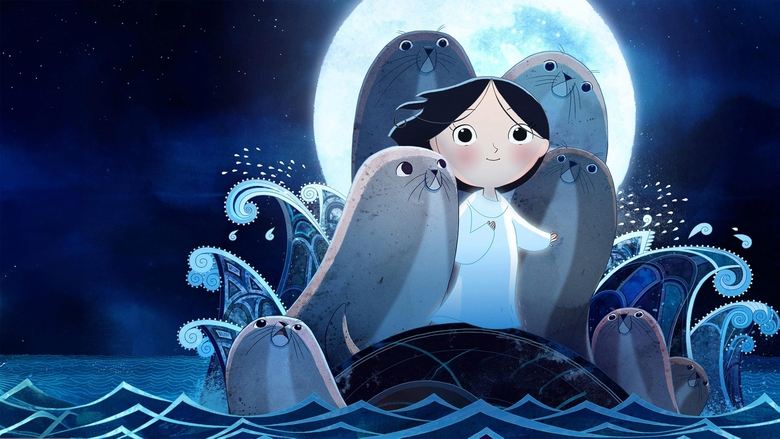
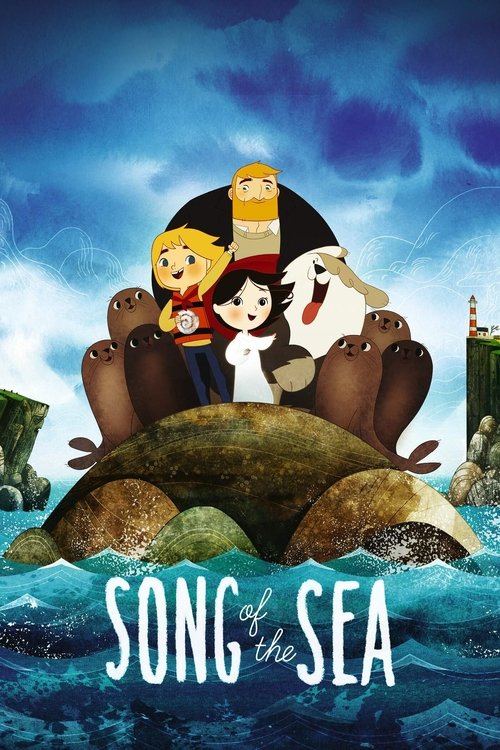
"Let the song of the sea sway your heart..."
Song of the Sea - Symbolism & Philosophy
Symbols & Motifs
The Seashell Flute
The seashell, given to Ben by his mother, symbolizes memory, heritage, and the power of one's voice. It is a direct link to their mother, Bronagh, and her stories. For Saoirse, it is the key to unlocking her own power and finding her voice, both literally and figuratively.
Bronagh gives the shell to Ben before she disappears. Ben initially keeps it from Saoirse out of resentment. Later, it is Saoirse's playing of the shell that guides her to her selkie coat and awakens the magical world. Ben ultimately uses it to help her sing her song in the final confrontation with Macha.
The Selkie Coat
The white sealskin coat represents Saoirse's identity, her magical nature, and her connection to her mother and the sea. Without it, she is incomplete, losing her voice and fading away. It symbolizes the part of her heritage that her father, in his grief, tries to suppress by locking it away. Reclaiming the coat is essential for her to become whole and fulfill her destiny.
Saoirse finds the coat in a chest on her sixth birthday and transforms into a seal for the first time. Her father, terrified of losing her like he lost her mother, locks the coat in the chest and throws it into the sea. The climax of the film requires Ben to overcome his fear of the water to retrieve the coat so Saoirse can sing her song and save everyone.
Stone and Jars
Stone symbolizes emotional petrification caused by unresolved grief. The faerie creatures are turned to stone by Macha, who believes she is sparing them from pain. Macha herself is partially stone. The glass jars in which she keeps emotions represent the unhealthy suppression of feelings. Breaking the jars releases the pent-up emotions, allowing healing and life to return.
Throughout their journey, Ben and Saoirse encounter faerie creatures who have been turned to stone. They learn this is the work of the owl witch, Macha, who did the same to her own son, the giant Mac Lir, to spare him the pain of a broken heart. Ben helps Macha realize the harm she has caused, and Saoirse's song breaks the jars, freeing the emotions and restoring the magical beings.
Spiraling & Concentric Circles
Circles and spirals are a recurring visual motif, rooted in Celtic art. They symbolize magic, comfort, home, and the journey into the self or the underworld. These shapes visually connect the natural world with the magical one, suggesting a deep, cyclical pattern that unites everything.
The motif appears in the opening storybook sequence, in the design of the lighthouse, in ancient stone carvings, and in the portal-like well that leads the children to the faerie world. This contrasts with the sharp, straight lines used to depict the cold and unwelcoming city.
Philosophical Questions
Is it better to feel painful emotions or to feel nothing at all?
The film explores this question through its antagonist, Macha. To spare her son and others from the agony of grief, she removes their emotions entirely, turning them to stone. She believes this is an act of kindness. However, the film powerfully argues that a life devoid of emotion is not a life at all. The release of the bottled feelings, while chaotic, brings color, life, and healing back to the world. "Song of the Sea" suggests that sorrow, pain, and grief are integral parts of the human experience and are necessary for love, joy, and connection to have meaning.
What is the role of ancient myths in the modern world?
The film laments the fading of old folklore, suggesting that with it, we lose a vital connection to our heritage, our environment, and our emotional intelligence. Ben's journey is one of rediscovering the truth and power inherent in these old stories. They are not just tales, but a lens through which to understand life's greatest challenges, such as loss. The film posits that these myths are timeless and provide a necessary magic and meaning that the sterile, purely rational modern world often lacks.
Core Meaning
The core meaning of "Song of the Sea" revolves around the profound importance of acknowledging, processing, and expressing emotions, particularly grief. The film posits that suppressing sadness and difficult feelings—as personified by the witch Macha who turns beings to stone by removing their emotions—leads to a petrified, lifeless existence. Director Tomm Moore crafted the story as a way for people to understand and deal with loss, using the selkie folklore as a metaphor. The narrative champions storytelling and tradition as vital tools for connecting with our heritage and understanding our own lives. Ultimately, the film suggests that true healing comes not from forgetting pain, but from embracing it, finding one's voice, and allowing feelings to flow, much like the sea itself.