Song of the Sea
"Let the song of the sea sway your heart..."
Overview
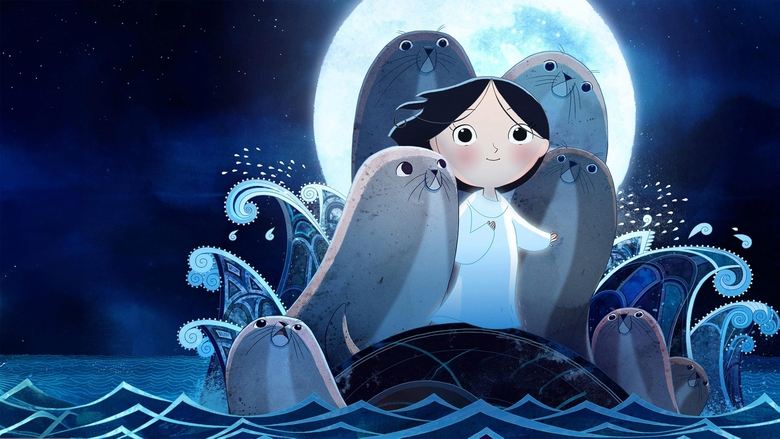
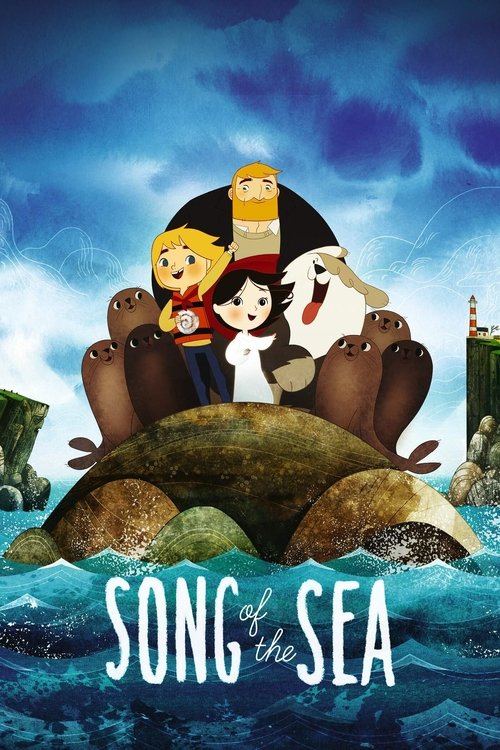
"Song of the Sea" tells the story of Ben and his younger sister Saoirse, who live in a lighthouse with their grieving father, Conor, six years after their mother, Bronagh, disappeared. Ben resents his mute sister, blaming her for their mother's departure. Their life is upended when their well-meaning Granny takes them to live in the city, away from the dangers of the sea.
On Saoirse's sixth birthday, she discovers a white sealskin coat that reveals her true nature: she is a selkie, a mythical being who is human on land and a seal in the water. This discovery sets the siblings on a magical journey back to their home. Along the way, they encounter creatures from Irish folklore—faeries, a great storyteller, and an owl witch named Macha—all of whom have been turned to stone. Ben learns that Saoirse's song is the only thing that can save both her life and the lives of the magical beings, forcing him to confront his resentment and embrace the stories his mother once told him.
Core Meaning
The core meaning of "Song of the Sea" revolves around the profound importance of acknowledging, processing, and expressing emotions, particularly grief. The film posits that suppressing sadness and difficult feelings—as personified by the witch Macha who turns beings to stone by removing their emotions—leads to a petrified, lifeless existence. Director Tomm Moore crafted the story as a way for people to understand and deal with loss, using the selkie folklore as a metaphor. The narrative champions storytelling and tradition as vital tools for connecting with our heritage and understanding our own lives. Ultimately, the film suggests that true healing comes not from forgetting pain, but from embracing it, finding one's voice, and allowing feelings to flow, much like the sea itself.
Thematic DNA
Grief and Loss
Grief is the central emotional pillar of the film, affecting every main character. Conor, the father, is paralyzed by the loss of his wife, becoming emotionally distant. Ben's grief manifests as anger and resentment toward Saoirse, whom he blames for their mother's disappearance. The antagonist, Macha the Owl Witch, is a mirror of this theme; she attempts to eliminate pain by bottling up emotions, turning herself and others to stone. The film argues that this repression is harmful and that acceptance of loss is the only way to heal and move forward.
Family and Sibling Relationships
The fractured family dynamic is at the heart of the story. The journey Ben and Saoirse undertake forces them to reconnect and rebuild their bond. Ben's character arc is defined by his transition from a resentful older brother to a protective and loving one who finally understands his sister's importance. The film's climax hinges on their reconciliation and the family's choice to stay together, demonstrating that familial love is a powerful, healing force.
The Power of Storytelling and Folklore
The film emphasizes that traditional stories and myths are not just children's tales, but essential ways of understanding the world and processing complex emotions. Ben initially dismisses his mother's stories, but through his adventure, he realizes they are all true. These tales provide the map for his and Saoirse's journey and the key to saving the magical world. Director Tomm Moore saw the decline in belief in such folklore as a loss of connection to the environment and heritage.
Tradition vs. Modernity
A subtle tension exists between the magical, natural world of the island and the rigid, gray world of the city. Granny represents the modern desire for safety and order, believing the city is a more suitable place for the children, free from the perceived dangers of the sea and old traditions. The journey back to the lighthouse is a rejection of this sterile modernity in favor of embracing their magical heritage and connection to nature.
Character Analysis
Ben
David Rawle
Motivation
Initially, his motivation is selfish: to get back home and away from his Granny and sister. This evolves into a desperate need to save Saoirse as he understands she will fade away without her coat and her song. His ultimate motivation becomes atoning for his past cruelty and keeping his family together.
Character Arc
Ben begins the film as a resentful and bitter older brother, blaming his mute sister Saoirse for the loss of their mother. He is initially selfish and fearful, particularly of the sea. Through their journey, he is forced to become a protector. He rediscovers the value of his mother's stories, learns the truth about her disappearance, and confronts his own guilt. His arc culminates in him overcoming his fear of water to save Saoirse, fully embracing his role as a loving, responsible older brother.
Saoirse
Lucy O'Connell
Motivation
Saoirse is driven by an instinctual pull towards the sea and her selkie nature. Her primary motivation is to be reunited with her selkie coat, which she needs to survive. She also possesses an innate desire to heal and bring harmony, which is ultimately expressed through her song.
Character Arc
Saoirse is mute for the first six years of her life and is defined by her otherness. Her journey is one of self-discovery as she learns she is a selkie, the last of her kind. While she doesn't have a dramatic change in personality, her arc is about finding her voice and embracing her magical identity to fulfill her destiny. At the end, she is given a choice between the magical and human worlds and chooses to stay with her family, solidifying her dual nature.
Conor
Brendan Gleeson
Motivation
His overriding motivation is a desire to protect his children from the pain and danger he associates with the sea and the loss of his wife. This fear, born of love, causes him to make decisions—like throwing away the coat or letting Granny take the children—that inadvertently harm them.
Character Arc
Conor is a lighthouse keeper who is emotionally lost at sea, submerged in grief over the disappearance of his wife, Bronagh. This grief makes him withdrawn and unable to properly connect with his children. His fear of further loss causes him to lock away Saoirse's coat. His arc is about re-engaging with his children and his life. By the end, after witnessing the magic and understanding the truth, he is able to process his grief and become the loving father his children need.
Macha
Fionnula Flanagan
Motivation
Macha is motivated by a desire to end suffering. Having seen her own son's overwhelming grief, she believes that emotions are a curse and that removing them is an act of mercy.
Character Arc
Macha, the Owl Witch, serves as the film's antagonist, but she is not purely evil. Her actions are motivated by a twisted form of love and grief over her son, the giant Mac Lir, who nearly drowned in his own sorrow. To prevent anyone from feeling such pain, she removes their emotions, turning them to stone. Her arc is one of realization. When Ben helps her understand the damage her actions have caused, her own feelings are restored, and she transforms from a villain into a helper, aiding the children on their quest.
Symbols & Motifs
The Seashell Flute
The seashell, given to Ben by his mother, symbolizes memory, heritage, and the power of one's voice. It is a direct link to their mother, Bronagh, and her stories. For Saoirse, it is the key to unlocking her own power and finding her voice, both literally and figuratively.
Bronagh gives the shell to Ben before she disappears. Ben initially keeps it from Saoirse out of resentment. Later, it is Saoirse's playing of the shell that guides her to her selkie coat and awakens the magical world. Ben ultimately uses it to help her sing her song in the final confrontation with Macha.
The Selkie Coat
The white sealskin coat represents Saoirse's identity, her magical nature, and her connection to her mother and the sea. Without it, she is incomplete, losing her voice and fading away. It symbolizes the part of her heritage that her father, in his grief, tries to suppress by locking it away. Reclaiming the coat is essential for her to become whole and fulfill her destiny.
Saoirse finds the coat in a chest on her sixth birthday and transforms into a seal for the first time. Her father, terrified of losing her like he lost her mother, locks the coat in the chest and throws it into the sea. The climax of the film requires Ben to overcome his fear of the water to retrieve the coat so Saoirse can sing her song and save everyone.
Stone and Jars
Stone symbolizes emotional petrification caused by unresolved grief. The faerie creatures are turned to stone by Macha, who believes she is sparing them from pain. Macha herself is partially stone. The glass jars in which she keeps emotions represent the unhealthy suppression of feelings. Breaking the jars releases the pent-up emotions, allowing healing and life to return.
Throughout their journey, Ben and Saoirse encounter faerie creatures who have been turned to stone. They learn this is the work of the owl witch, Macha, who did the same to her own son, the giant Mac Lir, to spare him the pain of a broken heart. Ben helps Macha realize the harm she has caused, and Saoirse's song breaks the jars, freeing the emotions and restoring the magical beings.
Spiraling & Concentric Circles
Circles and spirals are a recurring visual motif, rooted in Celtic art. They symbolize magic, comfort, home, and the journey into the self or the underworld. These shapes visually connect the natural world with the magical one, suggesting a deep, cyclical pattern that unites everything.
The motif appears in the opening storybook sequence, in the design of the lighthouse, in ancient stone carvings, and in the portal-like well that leads the children to the faerie world. This contrasts with the sharp, straight lines used to depict the cold and unwelcoming city.
Memorable Quotes
My son, remember me in your stories and in your songs. Know that I will always love you, always.
— Bronagh
Context:
This is part of a memory Bronagh shares with a young Ben before she disappears on the night Saoirse is born. It is the last piece of advice she gives him.
Meaning:
This quote, spoken by Ben's mother, establishes the central theme of memory and storytelling as a way to keep loved ones alive. It is the guiding principle that Ben must ultimately learn to embrace, shifting from hoarding his mother's memory to sharing it, especially with his sister.
Come away, O human child, to the waters and the wild, with a fairy, hand in hand, for the world's more full of weeping than you can understand.
— Bronagh
Context:
Bronagh recites the first part of the poem to a young Ben at the very beginning of the movie, foreshadowing the magical journey and the deep sense of sadness that permeates their world.
Meaning:
This line, from W.B. Yeats's poem "The Stolen Child," opens the film and sets a tone of melancholy magic. It speaks to the film's themes of loss and the existence of a magical world that coexists with human sorrow, suggesting that escaping into this other world is a response to the pain of the human one.
Her name's Saoirse.
— Ben
Context:
After escaping Macha's owls, the children find three faeries (the Daoine Sídhe) who are celebrating Saoirse's arrival. They ask for her name, and Ben steps forward to give it to them, just before the owls attack again and turn the faeries to stone.
Meaning:
For most of the film, Ben refuses to even properly acknowledge Saoirse. When the faeries ask for the selkie's name so they can sing of her, Ben's simple, declarative statement is a major turning point. It is the first time he acts as her protector and advocate, finally accepting her as his sister.
Philosophical Questions
Is it better to feel painful emotions or to feel nothing at all?
The film explores this question through its antagonist, Macha. To spare her son and others from the agony of grief, she removes their emotions entirely, turning them to stone. She believes this is an act of kindness. However, the film powerfully argues that a life devoid of emotion is not a life at all. The release of the bottled feelings, while chaotic, brings color, life, and healing back to the world. "Song of the Sea" suggests that sorrow, pain, and grief are integral parts of the human experience and are necessary for love, joy, and connection to have meaning.
What is the role of ancient myths in the modern world?
The film laments the fading of old folklore, suggesting that with it, we lose a vital connection to our heritage, our environment, and our emotional intelligence. Ben's journey is one of rediscovering the truth and power inherent in these old stories. They are not just tales, but a lens through which to understand life's greatest challenges, such as loss. The film posits that these myths are timeless and provide a necessary magic and meaning that the sterile, purely rational modern world often lacks.
Alternative Interpretations
One prominent alternative interpretation views the entire magical journey as an allegory for Ben's internal psychological process of coming to terms with his mother's death. In this reading, the magical elements are not literal but are manifestations of a child's imagination trying to make sense of trauma. The mother didn't magically return to the sea; she likely died during childbirth, and the story of her being a selkie is a comforting narrative the family has created.
From this perspective, Macha the Owl Witch and her bottling of emotions represent the unhealthy coping mechanisms of the family—denial and repression. The parallels between the mythical characters and their real-world counterparts (Macha and Granny, Mac Lir and Conor) reinforce this idea. The journey through the mythical world is Ben's journey through the stages of grief. The film's climax, where Bronagh appears and Saoirse chooses to stay, symbolizes the family's final acceptance of their loss. They are letting go of the idealized, magical version of their mother but choosing to keep her memory alive in their now-healed family unit.
Cultural Impact
"Song of the Sea" was released to critical acclaim, praised for its stunning, handcrafted visuals and its emotionally resonant storytelling. Along with "The Secret of Kells," it solidified Cartoon Saloon's reputation as a major force in independent animation, often compared to Japan's Studio Ghibli for its artistry and focus on folklore. The film played a significant role in a revival of interest in 2D, hand-drawn animation in an industry dominated by CGI.
The movie is deeply rooted in Irish mythology, specifically the legend of the selkie. These stories often served as a way to process the grief of losing loved ones at sea. By setting this ancient myth in a relatively modern context (the 1980s), director Tomm Moore created a timeless tale that explores how folklore can help contemporary families navigate profound emotional challenges like loss and depression. The film was lauded for its mature handling of these themes in a family-friendly format, resonating with both children and adults. It earned numerous awards and an Oscar nomination, bringing global attention to Irish animation and storytelling.
Audience Reception
"Song of the Sea" was met with overwhelmingly positive reactions from audiences and critics alike, holding a 99% approval rating on Rotten Tomatoes. Viewers universally praised its breathtaking, hand-drawn animation, often describing it as a moving work of art. The emotional depth of the story, particularly its gentle and poignant exploration of grief and family healing, was frequently highlighted as a major strength, with many viewers admitting the film moved them to tears. The beautiful musical score by Bruno Coulais and Kíla also received significant acclaim for perfectly complementing the film's magical and melancholy tone.
Points of criticism were minor and infrequent. Some reviewers noted that the pacing felt slow compared to mainstream animated features, which might make it less engaging for very young children accustomed to faster-paced entertainment. A few viewers found the plot, with its deep roots in Irish folklore, occasionally difficult to follow without prior knowledge of the myths. However, the overall consensus was that "Song of the Sea" is a masterful, enchanting, and emotionally rich film that stands as a modern classic of animation.
Interesting Facts
- The film is the second installment in director Tomm Moore's "Irish Folklore Trilogy," following "The Secret of Kells" (2009) and preceding "Wolfwalkers" (2020).
- The animation is primarily hand-drawn, a signature style of the studio Cartoon Saloon. Each second of film required 12 individual drawings per character.
- The visual style was heavily influenced by watercolors, which Art Director Adrien Merigeau specialized in, to suit the film's aquatic themes.
- The film's locations are inspired by real places in Ireland, including the Dingle Peninsula and Benbulben in County Sligo.
- The idea for the story came to Tomm Moore during a trip to Dingle with his son, where he learned about a seal cull and was told that people once believed seals were the souls of those lost at sea, a belief that was fading.
- The film received an Academy Award nomination for Best Animated Feature in 2015.
- The voice cast includes Brendan Gleeson and Fionnula Flanagan, who both reprised their roles for the Irish-language version of the film.
- The film's music was composed by Bruno Coulais in collaboration with the Irish folk group Kíla.
Easter Eggs
Aisling, the forest spirit from Cartoon Saloon's previous film, "The Secret of Kells," makes a brief cameo appearance.
During the scene where Ben and Saoirse are on the bus to Dublin, Aisling can be seen among the children in the crowd as the bus pulls away. This serves as a fun nod for fans of the studio's work, connecting the worlds of their "Irish Folklore Trilogy."
⚠️ Spoiler Analysis
Click to reveal detailed analysis with spoilers
Frequently Asked Questions
Explore More About This Movie
Dive deeper into specific aspects of the movie with our detailed analysis pages
Comments (0)
No comments yet. Be the first to share your thoughts!