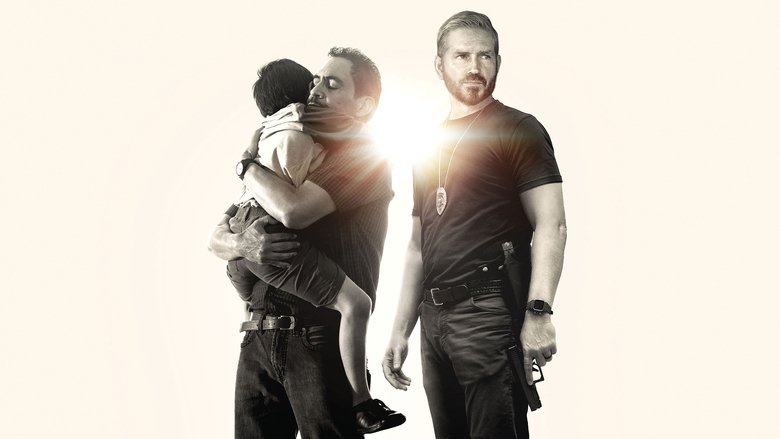
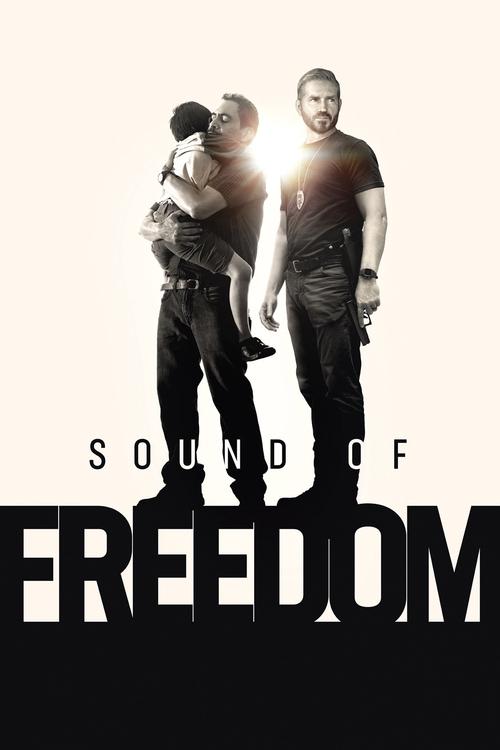
The plot of "Sound of Freedom" follows Tim Ballard's transition from a desk-bound HSI agent to an on-the-ground rescuer. After apprehending several pedophiles, he rescues a young boy, Miguel. Miguel reveals his sister, Rocío, is still in the hands of the traffickers. Haunted by this, Ballard makes a promise to find her. This promise becomes the narrative's driving force.
Ballard's boss, Frost, authorizes a mission to Colombia but refuses to fund a large-scale sting operation, ordering Ballard home. In a pivotal moment, encouraged by his wife, Ballard resigns from DHS to continue the mission independently. He partners with Vampiro, a reformed criminal, and secures funding from a philanthropist named Paulo Delgado to pose as sex traffickers. They set up an elaborate sting on a private island, leading to the arrest of the trafficker Katy-Gisselle and the rescue of 54 children. However, Rocío is not among them.
The devastating discovery is that Rocío was sold to FARC rebels in a remote, inaccessible part of the jungle. Refusing to give up, Ballard and Vampiro devise a final, desperate plan. Posing as doctors, they gain entry to the rebel camp. Ballard finds Rocío being held as a personal slave by the rebel leader, El Alacrán ("The Scorpion"). In the film's climax, Ballard is forced to kill El Alacrán to free Rocío. A firefight ensues as they escape. Ballard successfully gets Rocío to safety, returns her St. Timothy necklace, and reunites her with her father and brother, fulfilling his promise. The ending text reveals that the real Ballard founded Operation Underground Railroad and his work has helped rescue many more victims.