Sound of Freedom
"Fight for the light. Silence the darkness."
Overview
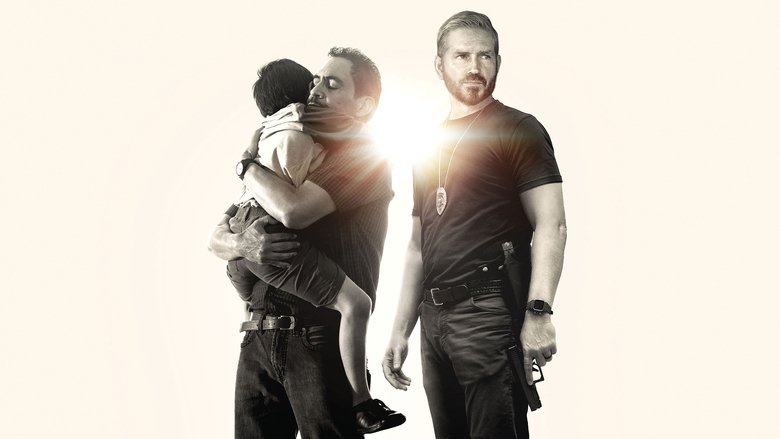
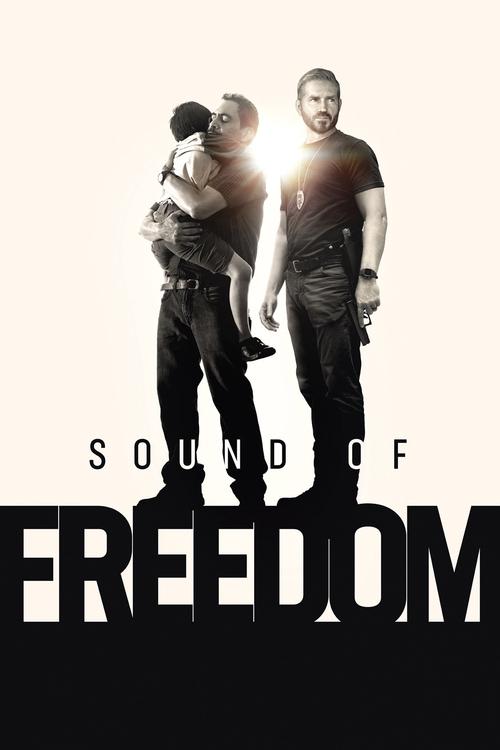
"Sound of Freedom" chronicles the story of Tim Ballard, a U.S. Department of Homeland Security agent who is growing disillusioned with his job of arresting child pornography consumers without being able to rescue the children who are the victims. After successfully rescuing a young boy named Miguel from traffickers, he learns that the boy's sister, Rocío, is still captive.
Haunted by this, and with the support of his wife Katherine, Ballard makes the life-altering decision to quit his government job to pursue a dangerous mission deep into Colombia. He teams up with Vampiro, a former cartel accountant turned child rescuer, and other local operatives to orchestrate a complex sting operation. Their goal is to dismantle a vast child sex trafficking ring and save Rocío, a promise he made to her brother. The film follows his perilous journey into rebel-held territory, pushing him to the brink as he fights to fulfill his vow.

Core Meaning
The core meaning of "Sound of Freedom" is a call to action against the global evil of child sex trafficking. Director Alejandro Monteverde aims to shatter public apathy by portraying the brutal reality of this crime, not as a distant problem, but as a present and monstrous injustice. The film's central message, encapsulated by the line "God's children are not for sale," posits that there is a moral and spiritual imperative to fight for the innocent, even at great personal sacrifice. It explores the idea that one person's commitment can create a ripple effect, inspiring others and challenging systemic inaction. The film ultimately argues that awareness is the first step and that society cannot afford to look away from this dark reality.
Thematic DNA
The Fight Against Evil and Injustice
This is the central theme, portraying child trafficking as a profound evil that demands an unwavering response. The film frames Tim Ballard's journey as a heroic quest against a dark, sprawling criminal network. His frustration with bureaucratic limitations and his decision to operate outside the system underscore the theme of personal responsibility in the face of systemic failure. The narrative is a clear depiction of a good versus evil struggle, with Ballard and his team representing the forces of light against the traffickers who exploit the most vulnerable.
Sacrifice and Moral Conviction
Tim Ballard sacrifices his career, financial security (quitting just before his pension vests), and personal safety for his mission. This is driven by a deep moral and faith-based conviction that he has a higher calling to save these children. His wife, Katherine, echoes this sentiment, encouraging him to take the risk because it's the right thing to do. The film posits that true heroism requires profound personal sacrifice, undertaken not for glory, but out of a deep-seated sense of justice and duty.
Hope and Redemption
Despite the harrowing subject matter, the film maintains a current of hope. Each rescued child is a victory against an overwhelming darkness. The character of Vampiro, a former cartel accountant who dedicates his life to saving children after a transformative, guilt-ridden experience, embodies the theme of redemption. He believes his work is a God-given purpose to atone for his past. The film suggests that even those who have been part of the darkness can find redemption by dedicating themselves to fighting it.
The Value of a Single Life
While the problem of child trafficking is presented as immense, the film's narrative focuses intensely on the mission to save one specific child, Rocío. Ballard's promise to her brother Miguel drives the entire second half of the plot. This narrative choice emphasizes that even amidst a global crisis affecting millions, the fight for a single, individual life has profound meaning and importance. It makes the overwhelming statistics personal and relatable, arguing that every single child matters.
Character Analysis
Tim Ballard
Jim Caviezel
Motivation
His primary motivation is a profound sense of duty, rooted in his faith and his role as a father. He is driven by the belief that "God's children are not for sale" and feels a personal, divine calling to act where governments fail. The promise he makes to the young boy, Miguel, to find his sister becomes the focal point of this motivation.
Character Arc
Tim Ballard begins as a disillusioned but dedicated government agent, trapped by bureaucracy and haunted by his inability to save the victims of the crimes he investigates. His arc is one of transformation from a cog in the machine to a self-determined agent of justice. He sheds the constraints of his job to follow his moral compass, becoming a proactive rescuer who is willing to risk everything, including his life, to fulfill a personal promise and serve a higher purpose.
Vampiro
Bill Camp
Motivation
Haunted by his past and the guilt of his former life, Vampiro is motivated by a need for redemption and a belief that he is now serving a divine purpose. He sees his work as a way to fight the very darkness he was once a part of.
Character Arc
Vampiro is a man who has already completed a significant character arc before the film's events. He is a former cartel accountant who was immersed in a world of darkness. A horrifying personal experience with a trafficked child led to a suicide attempt and a subsequent spiritual awakening. He now dedicates his resources and knowledge of the criminal underworld to saving children, serving as a guide and crucial ally to Ballard. His arc is one of atonement and channeling past sins into redemptive action.
Katherine Ballard
Mira Sorvino
Motivation
Her motivation is her love for her husband and her shared belief in the profound importance of his mission. As a mother, she understands the stakes on a deep, personal level and believes that the potential to save a child outweighs the need for job security.
Character Arc
Katherine's role is not one of dramatic change, but of foundational support. She is the emotional anchor for Tim. Her key moment comes when Tim calls, conflicted about abandoning the mission. Instead of pulling him back to safety, she reinforces his moral duty, giving him the conviction to quit his job and see the mission through. She represents the moral foundation of the family and the values that fuel Tim's crusade.
Rocío
Cristal Aparicio
Motivation
Her motivation throughout her captivity is simple survival. She endures in the hope of one day being free and reunited with her family.
Character Arc
Rocío's arc is one of a victim who endures unimaginable horror but ultimately survives. She is introduced as a happy, vibrant child before being captured. The film depicts her descent into the horrors of trafficking, culminating in her being held as a personal slave by a rebel leader. Her rescue at the end signifies a return from the abyss and the restoration of her childhood, symbolized by her singing once more.
Symbols & Motifs
St. Timothy Necklace
The necklace, which belongs to Rocío and is given to Ballard by her brother Miguel, symbolizes the promise, innocence, and faith. It acts as a tangible representation of the specific child he is fighting for, keeping his mission grounded and personal amidst the vastness of the crime. St. Timothy is also known as a patron against stomach diseases, which can be metaphorically interpreted as a prayer for protection against the 'gut-wrenching' horrors the children face.
Miguel gives the necklace to Ballard after he is rescued, asking him to find his sister. Ballard keeps it with him throughout his dangerous mission in Colombia. In the final scenes, after rescuing Rocío from the jungle encampment, he returns the necklace to her before she is reunited with her family, fulfilling his promise.
The Sound of Rocío's Singing
Rocío's singing at the beginning and end of the film represents the "sound of freedom" itself. Initially, her song is a pure expression of childhood innocence before it is violently silenced by her capture. Her singing again at the end signifies her liberation and the restoration of her spirit. It suggests that freedom is not just a physical state but also the ability to express one's true self without fear.
The film opens with Rocío happily singing and playing a drum. After her rescue and reunion with her family, the final moments of the film show her singing again, this time joined by the voices of other children, implying a collective hope and freedom.
Memorable Quotes
God's children are not for sale.
— Tim Ballard
Context:
Tim says this line to explain his unwavering motivation for undertaking the dangerous mission to rescue children, highlighting the faith-based conviction that drives him.
Meaning:
This is the film's central tagline and moral thesis. It frames the fight against child trafficking not just as a legal or social issue, but as a spiritual and moral imperative. It asserts the inherent, sacred value of every child, which stands in stark contrast to the traffickers who view them as commodities.
When God tells you what to do, you cannot hesitate.
— Vampiro
Context:
Vampiro says this to Tim, reinforcing their shared sense of divine purpose and encouraging him to push forward with their dangerous plans without doubt.
Meaning:
This quote reflects Vampiro's own journey of redemption. Having seen the depths of evil, he now operates with absolute moral clarity. It speaks to the theme of faith-driven action, suggesting that when faced with a clear moral choice, hesitation is not an option.
You can sell a bag of cocaine one time. A 5-year-old child, you can sell them 5-10 times a day, for 10 years straight.
— Tim Ballard
Context:
Tim uses this line to explain the scale and economic drivers of the child trafficking industry to others who are unaware of its terrifying scope.
Meaning:
This shocking and pragmatic statement explains the horrific economic logic behind child trafficking. It highlights why this crime has become so prevalent and profitable for criminal organizations, surpassing even the drug trade in some contexts. It serves to educate the audience on the brutal business model of modern slavery.
Okay, so you quit your job and you go and rescue those kids.
— Katherine Ballard
Context:
Spoken during a phone call when Tim is in Colombia and has been ordered by his boss to stand down. He is conflicted, and his wife's decisive support is what enables him to resign and continue the mission.
Meaning:
This line represents a pivotal moment of moral support. Instead of prioritizing her family's security, Katherine gives Tim the explicit permission and encouragement to make a huge sacrifice for a greater good. It underscores the theme of shared conviction and the importance of family support in the fight for justice.
Philosophical Questions
What is the individual's responsibility when facing systemic evil?
The film explores this question through Tim Ballard's decision to quit his job. Faced with a vast, global crime and bureaucratic limitations, he chooses individual, high-risk action over institutional procedure. The film champions this choice, suggesting that when systems fail to protect the innocent, individuals have a moral obligation to step outside those systems, even at great personal cost. It questions the adequacy of simply 'doing one's job' when confronted with profound injustice.
Can extreme measures be justified in the pursuit of justice?
Ballard's methods involve deception, going rogue, and, in the film's climax, violence (killing Rocío's captor). The film presents these actions as necessary and justified by the horrific nature of the crime he is fighting. It raises the philosophical question of whether the ends justify the means. By portraying Ballard as a hero, the narrative implicitly argues that in a fight against absolute evil like child trafficking, conventional moral and legal boundaries may need to be crossed to achieve the greater good of saving a life.
Alternative Interpretations
While the film presents itself as a straightforward heroic narrative, alternative interpretations have emerged from critics and viewers. One perspective is that the film functions less as a factual documentary and more as a piece of cinematic advocacy, or even propaganda. This view suggests the film's primary goal is to galvanize a specific audience (often faith-based and conservative) by creating a simple, emotionally powerful narrative of good versus evil, which simplifies the complex realities of trafficking and law enforcement.
Another interpretation views the film's dramatizations—such as Ballard's lone-wolf mission into the jungle and killing a rebel leader—as a deliberate mythologizing of its central figure. Critics argue this creates a 'white savior' narrative that exaggerates the role of one American operative while downplaying the work of local law enforcement and the systemic complexities of the issue. The controversy surrounding the real Tim Ballard's subsequent personal and professional conduct has also led some to reinterpret the film as a hagiography that omits crucial, unflattering context about its hero.
Cultural Impact
"Sound of Freedom" became a cultural phenomenon, achieving massive box office success as one of the most profitable independent films in history, grossing over $250 million on a $14.5 million budget. Its release was highly polarized. It was championed by conservative and faith-based audiences who saw it as a vital exposé on a horrific crime ignored by mainstream media and Hollywood. This was amplified by a successful "Pay It Forward" grassroots marketing campaign.
Conversely, the film became mired in controversy. It was criticized by some anti-trafficking experts for sensationalizing and misrepresenting the nature of child trafficking, arguing that the film's focus on stranger-abduction is less common than grooming by known individuals. The film was also linked to the QAnon conspiracy theory movement, due in part to public statements made by its star, Jim Caviezel, and the real Tim Ballard. Director Alejandro Monteverde and Angel Studios have repeatedly denied any intentional connection to QAnon, stating the film was written and produced before the movement gained prominence. This political entanglement turned the film into a flashpoint in the culture wars, with debates over its accuracy, intentions, and audience often overshadowing discussions of the film as a piece of cinema.
Audience Reception
Audience reception for "Sound of Freedom" was overwhelmingly positive, standing in stark contrast to its mixed critical reviews. It received a rare A+ CinemaScore, indicating exceptional approval from polled viewers. Audiences widely praised the film for its powerful and emotional story, and for shedding light on the horrific reality of child trafficking. Many viewers found it to be a deeply moving, important, and inspiring film that serves as a necessary call to action. The subject matter, while difficult to watch, was seen as essential viewing to raise awareness. Criticisms from audiences were infrequent but sometimes pointed to a slower pace in the first half and a feeling that the execution, at times, felt more like a message-driven piece than a seamless cinematic thriller. However, the dominant sentiment was that the film's vital message transcended any of its cinematic flaws.
Interesting Facts
- The film was completed in 2018 but faced a long road to release after being shelved by 20th Century Fox and then dropped by Disney following its acquisition of Fox. It was eventually picked up by the independent, faith-oriented Angel Studios.
- Jim Caviezel, who portrays Tim Ballard, has stated he considers this the second most important film he's ever made, after "The Passion of the Christ" (2004).
- The real Tim Ballard personally requested that Jim Caviezel play him, having been impressed by his performance in "The Count of Monte Cristo" (2002).
- The film's distributor, Angel Studios, utilized a unique "Pay It Forward" marketing campaign where supporters could buy tickets for others to see the film for free, contributing significantly to its box office success.
- While the film is based on Tim Ballard's work, many elements were dramatized for cinematic effect. For instance, the real Ballard did not go into the jungle alone to rescue a child, nor did he kill a trafficker during a rescue.
- The character of Katy-Gisselle, the recruiter, is based on a real-life former beauty queen named Kelly Johana Suarez, who was convicted in Colombia for crimes related to child trafficking.
- The child actors were shielded from the film's darkest themes. Cristal Aparicio, who played Rocío, was not told the full details of what happened to her character until the final days of shooting.
⚠️ Spoiler Analysis
Click to reveal detailed analysis with spoilers
Frequently Asked Questions
Explore More About This Movie
Dive deeper into specific aspects of the movie with our detailed analysis pages
Comments (0)
No comments yet. Be the first to share your thoughts!