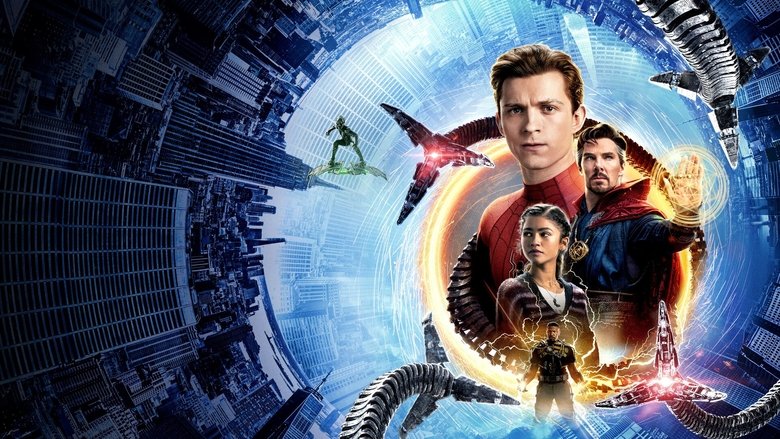
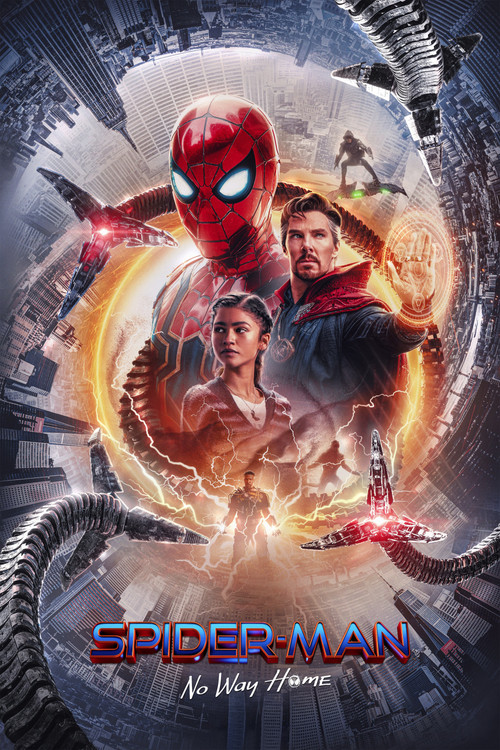
"Enter the Multiverse."
Spider-Man: No Way Home - Symbolism & Philosophy
Symbols & Motifs
The Statue of Liberty with Captain America's Shield
It symbolizes a changing world and contested ideals of heroism. The addition of the shield, a symbol of an established, government-sanctioned hero, contrasts with Spider-Man's status as a vigilante. The final battle taking place here forces a confrontation over what it truly means to be a hero—a celebrated icon or an anonymous protector.
The location of the climactic battle where the three Spider-Men team up to cure the villains. The shield is destroyed during the fight, symbolically shattering the old ideas of heroism as Peter forges his new, solitary path.
The Broken Black Dahlia Necklace
It represents Peter's relationship with MJ and the life he is forced to leave behind. It is a tangible piece of his past and his love for her. Even after the memory wipe, she is still wearing it, suggesting a lingering, unconscious connection or a remnant of the love that was erased.
MJ is seen wearing the broken necklace throughout the film. In the final scene at the coffee shop, after her memories of Peter have been erased, she is still wearing it. Peter notices this, which makes his decision to leave her alone even more poignant.
Peter's Homemade Suit
Symbolizes Peter's return to his core identity as a self-sufficient, "friendly neighborhood" hero. After relying on advanced Stark technology for several films, the simple, classic suit represents his maturation and independence. He is no longer Iron Man's protégé but his own man, embracing the foundational principles of being Spider-Man.
In the final scene of the film, Peter is shown swinging through the city in a new, self-stitched suit that is visually distinct from the high-tech suits he's used before. This is the suit he wears as he begins his new, anonymous life.
Philosophical Questions
Is it morally right to change a person's fate, even to save their life?
The film explores this question through the central conflict between Peter and Doctor Strange. Peter believes the villains, who are destined to die in their universes, deserve a second chance and a cure. Strange argues from a utilitarian perspective that their fates are sealed and tampering with them risks the stability of the entire multiverse. The narrative forces the audience to consider whether one's compassion for an individual's life outweighs the potential for catastrophic, large-scale consequences. Peter's choice affirms a belief in the potential for redemption, regardless of the risk.
Does true heroism require complete self-sacrifice and anonymity?
No Way Home pushes this question to its extreme. Peter Parker begins the story wanting to have both a personal life and a heroic one. By the end, he is forced to conclude that the two are incompatible and that to truly protect people, he must give up everyone and everything he loves. The film's somber ending suggests that the purest form of heroism is a solitary and thankless path, devoid of personal reward. It challenges the modern superhero trope of the celebrity hero, returning Spider-Man to his roots as an anonymous protector.
Are we defined by our mistakes or by how we respond to them?
The entire plot is initiated by Peter's mistake in botching Doctor Strange's spell. The film becomes a study in accountability. Peter doesn't just try to undo his error; he takes responsibility for the beings he brought into his world. His journey, and those of the other two Spider-Men, is defined by their past failures—failing to save loved ones—and their collective effort to do better this time. The movie argues that failure is an inevitable part of life, but one's character is ultimately defined by the persistent effort to learn, grow, and atone.
Core Meaning
The core meaning of Spider-Man: No Way Home revolves around the themes of sacrifice, responsibility, and the nature of heroism. The film deconstructs the character of Peter Parker, forcing him to learn the hardest lesson of his journey: that true heroism often requires immense personal loss. It explores the idea that 'with great power, there must also come great responsibility,' not as a cliché, but as a painful, defining principle.
The director, Jon Watts, seems to convey that being a hero isn't about having everything—fame, friends, and personal happiness—but about what one is willing to give up for the greater good. Peter's ultimate decision to erase himself from everyone's memory signifies his maturation. He sheds the identity of a kid who wants a normal life and fully embraces the solitary, selfless duty of being Spider-Man. The film posits that the greatest act of power is not in winning fights, but in the strength to make devastating sacrifices for others.