The film builds to a confrontation at a railroad construction site. Spirit realizes the train is heading toward his homeland. He fakes unconsciousness to get free, then breaks the chains, causing a locomotive to crash and ignite a massive forest fire. Spirit and Little Creek are trapped by the flames but survive by leaping into a river. The Colonel tracks them down the next morning for a final standoff. Cornered at the Grand Canyon, Spirit refuses to surrender and makes a desperate, physics-defying leap across the gorge. The Colonel, aiming his rifle, lowers it and nods—a silent admission that Spirit's will is greater than his own. Spirit returns Rain (who has recovered from a gunshot wound) to the wild, and they gallop back to the Cimarron herd, where Spirit reunites with his mother.
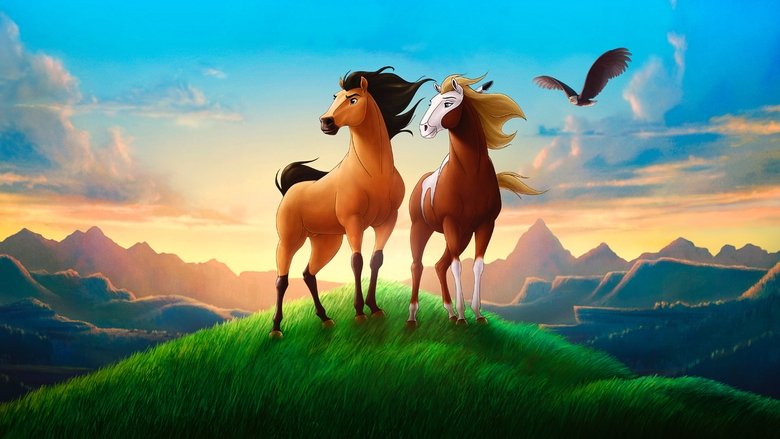
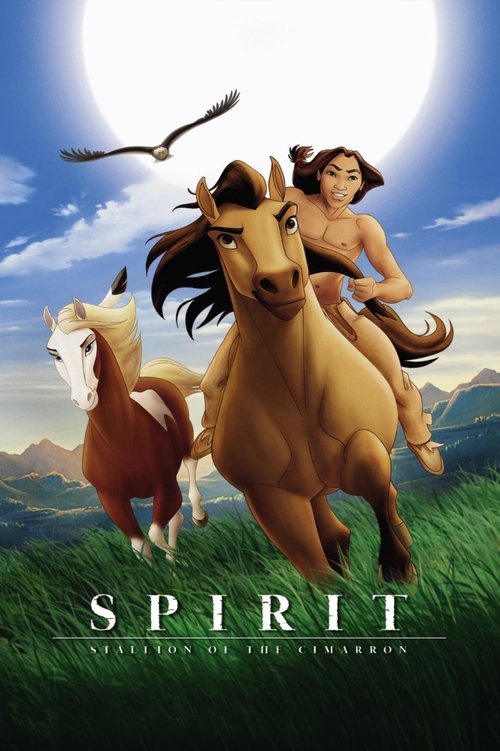
"Some legends can never be tamed."
Director: Kelly Asbury, Lorna Cook
Cast: Matt Damon, James Cromwell, Daniel Studi, Chopper Bernet, Jeff LeBeau
Spirit: Stallion of the Cimarron — Ending Explained
⚠️ Spoiler Analysis
Alternative Interpretations
The 'Spirit Died' Theory: A dark fan theory suggests that Spirit actually dies during the climax (perhaps at the waterfall or the canyon jump) and the ending reunion is his journey to the afterlife (the 'Great Hunting Ground'). Proponents point to the dreamlike quality of the final run and the fact that the landscape seems impossibly perfect.
The Anti-Colonialist Allegory: Critics have noted that Spirit represents the indigenous people of America. His capture, forced haircut (mane trimming), and enslavement mirror the historical treatment of Native Americans in boarding schools and reservations. The Colonel's line 'Any horse can be broken' parallels the 'Kill the Indian, Save the Man' ideology.
Explore More About This Movie
Dive deeper into specific aspects of the movie with our detailed analysis pages