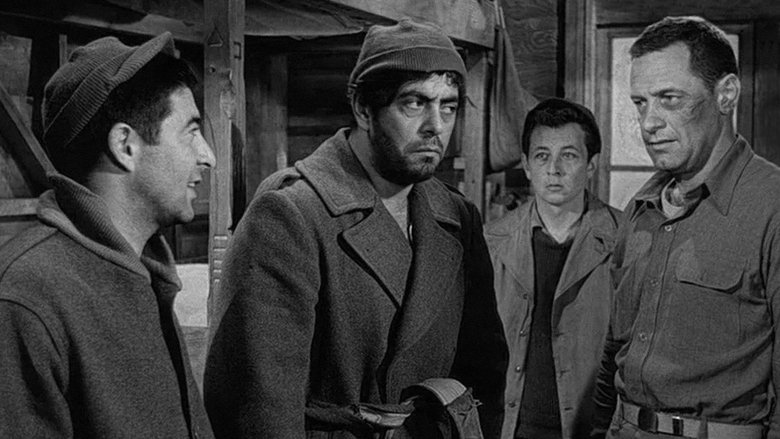
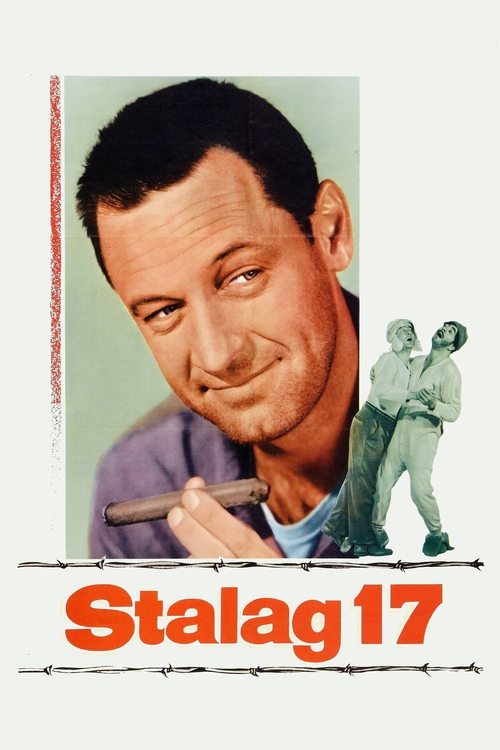
"The star-spangled, laugh-loaded salute to our P.W. heroes!"
Stalag 17 - Symbolism & Philosophy
Symbols & Motifs
The Light Bulb Cord
It symbolizes the precarious nature of their secrets and the connection to the enemy. It is the literal and figurative line of communication for the traitor.
The spy signals the German guards by tying a loop in the electric light cord hanging in the center of the barracks. Sefton eventually notices the shadow of this loop, which becomes the key clue in solving the mystery.
The Black Queen Chess Piece
Represents the hidden treachery within the game of war. A tool of strategy used for betrayal.
The hollowed-out Black Queen on the chessboard serves as the "mailbox" where the spy leaves written notes for the German guards to retrieve during inspections.
Sefton's Trunk
A symbol of capitalist success and hoarding amidst scarcity. It represents the barrier between Sefton and the collective.
Filled with silk stockings, food, and contraband, the trunk is the envy of the barracks and the first thing the mob destroys when they decide Sefton is the traitor.
Philosophical Questions
Is the individual obligated to the group?
Sefton refuses to sacrifice for the group, yet he is the one who ultimately saves them. The film questions whether collectivism is always virtuous or if individual autonomy is a higher form of survival.
Does fear justify injustice?
The prisoners beat and ostracize Sefton out of fear and frustration. The film explores the morality of the mob, asking if fear validates the suspension of fairness and due process.
What is the nature of a hero?
The 'traditional' heroes in the film are often ineffective or killed. Sefton, a self-serving anti-hero, is the only one effective enough to defeat the enemy. This challenges the audience's definition of heroism.
Core Meaning
At its heart, Stalag 17 is a subversive critique of blind conformity and mob mentality. Unlike traditional war films that celebrate unquestioning unity, Wilder presents a complex moral landscape where the "hero" is a selfish capitalist and the "patriots" are easily manipulated into a lynch mob. The film argues that true heroism often resides in the individual who refuses to conform, suggesting that skepticism and self-reliance are better tools for survival than naive idealism.