Star Trek: The Next Generation
A floating utopia among the stars, where Shakespearean drama meets high-concept science fiction. It is a warm, beige-carpeted village in the void, exploring the human condition not through conquest, but through the gentle, steady gaze of diplomacy and reason.
Star Trek: The Next Generation

"New stars. New stories. New worlds to explore."

28 September 1987 — 23 May 1994 United States of America 7 season 176 episode Ended ⭐ 8.4 (1,678)
Cast: Patrick Stewart, Jonathan Frakes, Brent Spiner, LeVar Burton, Michael Dorn
Drama Sci-Fi & Fantasy Action & Adventure Mystery
The Measure of a Person Duty vs. Conscience The Collective vs. The Individual Family and Chosen Kinship

Star Trek: The Next Generation - Ending Explained

⚠️ Spoiler Analysis

Key Plot Twists: The most shocking moment of the series occurred in Season 1, Episode 23 ("Skin of Evil"), when main character Tasha Yar was abruptly killed, proving main characters were not safe. The Season 3 finale, "The Best of Both Worlds," saw Picard assimilated by the Borg, a twist that traumatized the character for the rest of his life (and into the Picard series).

The Finale's Meaning: In "All Good Things...", it is revealed that the trial of humanity by Q, which started in the pilot, never ended. The twist is that the exploration of space was merely a backdrop for the exploration of the mind. Picard realizes that understanding different possibilities (the three timelines) is the key to humanity's evolution. The series ends not with a bang, but with a quiet game of poker, signifying that the journey was about the people, not the stars.

Alternative Interpretations

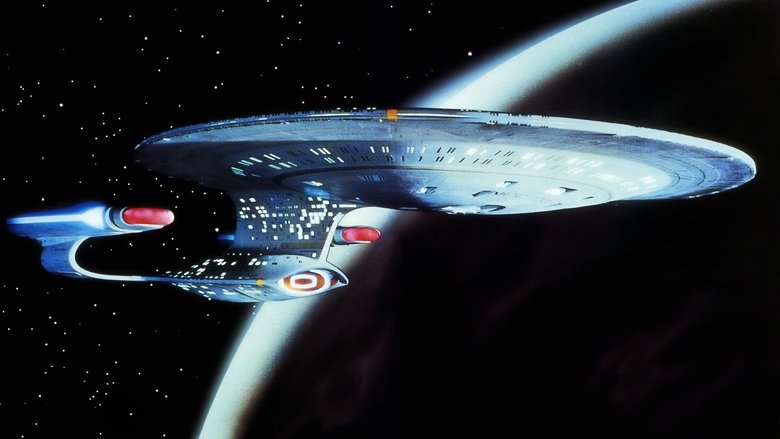
The 'Village' Theory: Critics often note that unlike the original series (a patrol boat in the wild west) or Deep Space Nine (a frontier fort), the Enterprise-D functions as a generic, safe 'village' or cruise ship. Some interpret this not as a lack of danger, but as a statement that humanity has mastered its environment so thoroughly that it can bring its domestic comfort into the void.

The Riker-Centric View: Some analyze the series as the coming-of-age story of Will Riker. He begins as the protagonist archetype (young, brash, Kirk-like) but learns that the ultimate form of leadership in this evolved century is support and stability, eventually choosing to stay 'Number One' longer than expected to learn from the wiser 'father' (Picard).