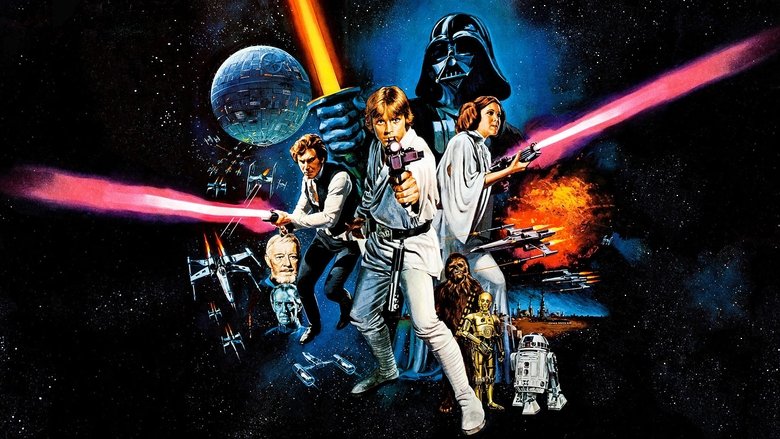
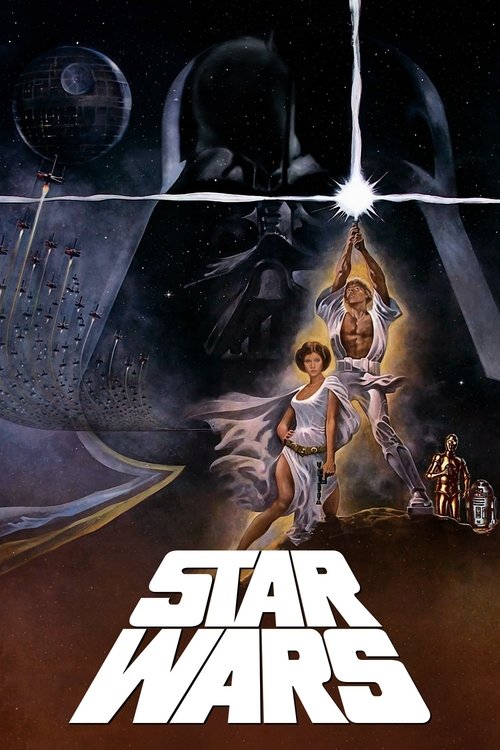
"A long time ago in a galaxy far, far away..."
Star Wars - Symbolism & Philosophy
Symbols & Motifs
The Lightsaber
The Lightsaber symbolizes the legacy and nobility of the Jedi Order. It is described as an "elegant weapon for a more civilized age," representing a blend of spiritual mastery and martial skill. It connects Luke to his father and his destiny, serving as a physical manifestation of his connection to the Force.
Obi-Wan Kenobi gives Anakin Skywalker's lightsaber to Luke on Tatooine, formally inviting him into the world of the Jedi. It is used during Luke's first training session on the Millennium Falcon and in Obi-Wan's final duel against Darth Vader.
The Death Star
The Death Star is the ultimate symbol of technological terror and totalitarian oppression. It represents the Empire's philosophy of ruling through fear. Its ability to destroy planets signifies a cold, nihilistic power that stands in direct opposition to the life-affirming nature of the Force.
The station is the Empire's primary weapon and the central focus of the film's plot. Its power is demonstrated when it destroys Alderaan. The film's climax is the Rebel Alliance's desperate mission to exploit a small weakness and destroy it.
The Force
The Force symbolizes spirituality, destiny, and the interconnectedness of all life. It is a universal energy field that represents a higher power, existing in contrast to the Empire's cold reliance on technology. It embodies themes of faith, intuition, and the mystical aspects of the universe.
Obi-Wan Kenobi first explains the Force to Luke on Tatooine. Luke learns to use it during his training on the Millennium Falcon and, most importantly, trusts it to guide his final shot to destroy the Death Star.
Philosophical Questions
Does technology or faith hold more power?
The film constantly juxtaposes the Empire's reliance on overwhelming technological power with the Jedi's faith in the unseen energy of the Force. The Death Star is the ultimate technological terror, capable of destroying planets, yet it is defeated by a young pilot who turns off his computer and trusts his feelings. The dialogue between Darth Vader and the Imperial officers about the power of the Force versus their battle station raises the question of whether true power comes from external, mechanical sources or from internal, spiritual belief and intuition.
What is the nature of destiny versus free will?
Luke Skywalker seems destined to play a crucial role in the galaxy. Obi-Wan appears at the right moment, he is the son of a great Jedi, and the Force seems to guide his actions. This raises questions about whether his path is preordained. However, at every key juncture, he must make a choice: the choice to leave Tatooine, the choice to join the fight, and the choice to trust the Force. Similarly, Han Solo's journey from a self-serving smuggler to a hero is a testament to the power of free will to choose a nobler path, seemingly defying his initial 'destiny' as a cynical outsider.
Core Meaning
At its heart, "Star Wars" is a timeless myth about the struggle between good and evil, hope and despair. George Lucas sought to create a modern fairy tale, a story that could instill a sense of morality and heroism in a younger generation. The film champions the idea that even an ordinary individual can rise to extraordinary circumstances and make a difference. It posits that there is a spiritual, natural force that is superior to technology and that redemption and choosing the right path are always possible. The core message is one of hope: that in the face of overwhelming tyranny and technological terror, a small group of determined individuals, faith in oneself, and trust in a higher power (The Force) can bring about monumental change.