
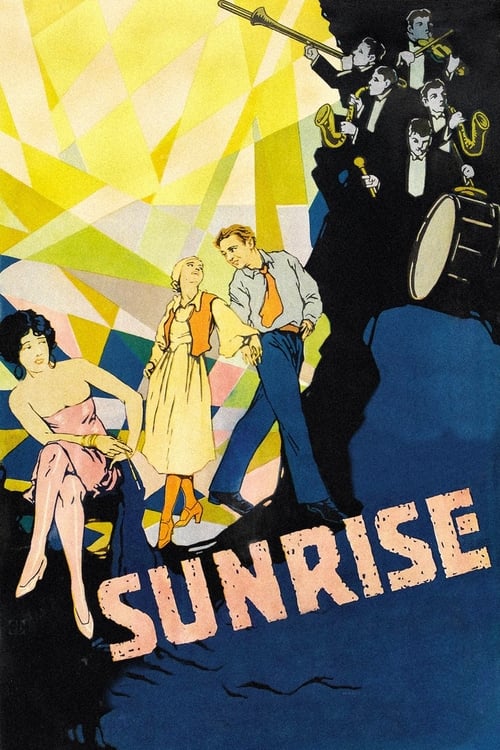
""An artistic masterpiece and also a joy to watch.""
Sunrise: A Song of Two Humans - Symbolism & Philosophy
Symbols & Motifs
The Sun/Sunrise
Symbolizes renewal, hope, and the dawn of a new life. It marks the final reconciliation and the banishing of the night's dark temptations.
The film ends with a literal sunrise as the Woman from the City leaves, signifying that the storm in their marriage has passed.
The Reeds
Represents survival and the shift from malice to protection. Initially a tool for a planned crime, they become the instrument of salvation.
The Man hides bundles of reeds in the boat to help him float after he drowns his wife; later, these same reeds keep the Wife afloat during the actual storm.
Water and the Lake
Symbolizes the subconscious, death, and purification. It is the site of both the intended sin and the eventual test of their renewed bond.
The lake serves as the threshold between the country and the city, and is the setting for the film's two most pivotal sequences: the aborted murder and the shipwreck.
The Marsh
Symbolizes moral decay and hidden sin. The foggy, dark landscape mirrors the Man's muddied conscience.
The Man and the Woman from the City meet in the marsh to plot the murder of the Wife.
Philosophical Questions
Can true forgiveness exist after a betrayal of this magnitude?
The film asks the audience to accept that the Wife’s love is powerful enough to transcend even the threat of death, challenging the viewer's belief in the boundaries of human grace.
Does modernity inevitably corrupt traditional values?
Through the contrast of the 'Vamp' and the 'Madonna,' the film explores whether the allure of the modern city is a destructive force or merely a different environment for the same human 'song' of joy and sorrow.
Core Meaning
The core meaning of Sunrise lies in the universality of human emotion and the possibility of redemption through forgiveness. Murnau intended to create a "song" of human experience that transcends specific geography or time, as noted in the film's opening intertitle. The director explores the duality of the human soul—the capacity for monstrous darkness and divine devotion—suggesting that even the most broken trust can be mended by a shared return to innocence and grace.