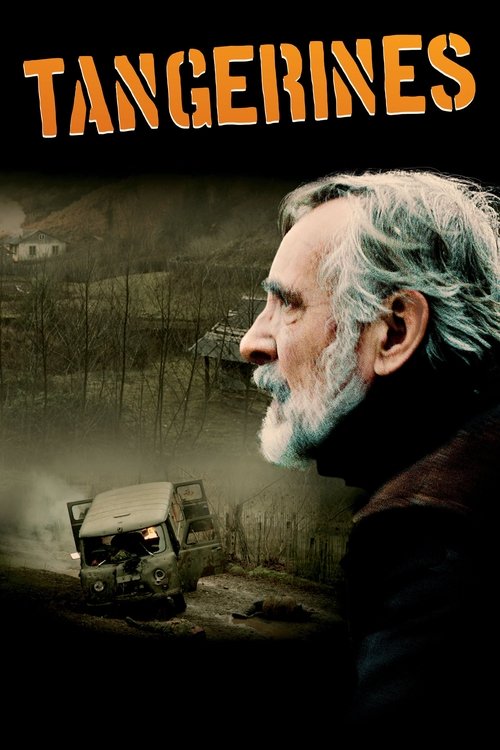
Mandariinid
Tangerines - Symbolism & Philosophy
Symbols & Motifs
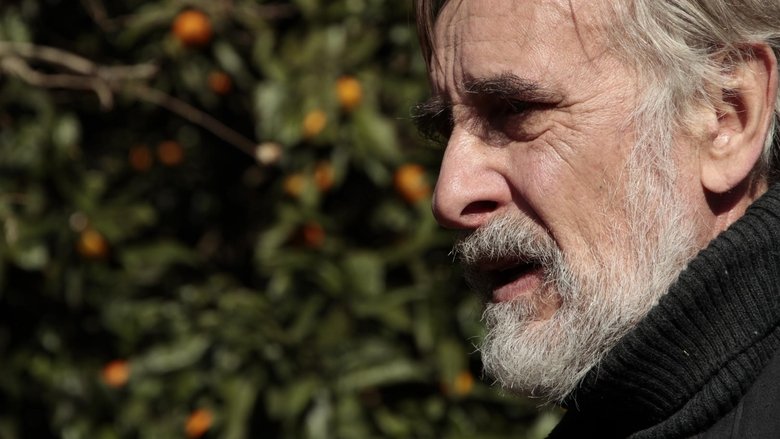
The Tangerines
They symbolize life, peace, and the fragile beauty of normal human existence. Their vibrant orange color represents the innocent things that are senselessly destroyed by conflict.
The tangerines are a constant visual presence, waiting to be harvested. They contrast with the bleak, grey reality of the war and serve as Margus's sole motivation for staying in the dangerous region.
Ivo's House
It symbolizes a microcosm of peace, a sanctuary, and a demilitarized zone. It stands as a beacon of civilization and morality amidst the chaos.
The majority of the film takes place within its walls. The house physically separates the warring factions from the battlefield, forcing them to interact as guests rather than combatants.
Wooden Crates and Coffins
They highlight the tragic transformation of daily labor brought about by violence, showing how war repurposes the tools of life for death.
In a visual bookend, Ivo starts the film making wooden crates to hold tangerines (fruitfulness/life) and ends up making wooden coffins to hold the dead soldiers.
The Audiocassette Tape
It symbolizes memory, home, and the promise of return, as well as the bridging of the cultural divide between the enemies.
Nika is frequently seen trying to fix the tape. At the end of the film, Ahmed plays the tape in his jeep as he drives away, acting as a tragic keepsake of his fallen Georgian friend.
Philosophical Questions
Is violence ever justifiable, or does it inherently corrupt those who wield it?
The film explores this by showing the exhaustion and ultimate futility of revenge. Ahmed and Nika both believe their violence is justified by patriotism or honor, but under Ivo's calm questioning, these justifications sound increasingly hollow, illogical, and childish.
Does national identity divide us or give us meaning?
Through the constant questioning of who is Georgian, Chechen, or Estonian, the film interrogates how national identities are constructed to create enemies out of equals. Ultimately, Ivo strips them of these labels, reducing them to their core status as vulnerable human beings.
What constitutes true bravery in the face of conflict?
While the soldiers believe bravery is dying or killing for their land, the film posits that Ivo is the truly brave character. His courage lies in remaining compassionate, maintaining his humanity, and refusing to succumb to the surrounding hatred despite his own personal losses.
Core Meaning
Director Zaza Urushadze's central message is a profound meditation on the futility and absurdity of war. By stripping away the grandeur of epic battlefield movies, the film isolates the conflict to a single, intimate setting. The director emphasizes that beneath tribal allegiances, ethnic divisions, and religious differences, people share a fundamental humanity.
Through Ivo's unwavering morality, the film posits that true bravery is not found in killing one's enemies, but in retaining one's compassion and refusing to let war strip away basic human decency. The core meaning is that war is a senseless destruction of life's "beautiful crops"—both literally and metaphorically—and that healing begins with recognizing the person behind the enemy uniform.