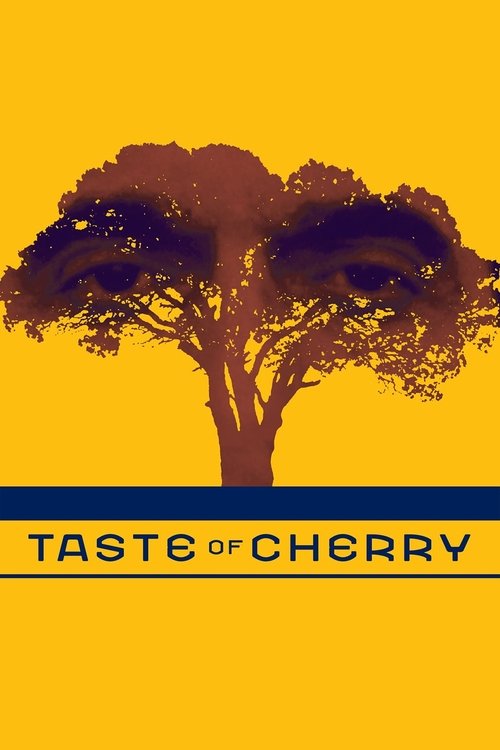
Taste of Cherry
A meditative journey through the dusty outskirts of Tehran, where a man seeking death encounters the vibrant, simple textures of life. Minimalist and profound, it juxtaposes the silence of the grave with the sweetness of a mulberry.
Taste of Cherry
Taste of Cherry

طعم گيلاس

28 September 1997 Iran 99 min ⭐ 7.7 (680)
Director: Abbas Kiarostami
Cast: Homayoun Ershadi, Abdolrahman Bagheri, Safar Ali Moradi, Mir Hossein Noori, Elham Imani
Drama
Suicide and Choice Isolation vs. Connection The Sensory Experience of Nature The Fluidity of Identity
Budget: $120,000
Box Office: $10,923

Taste of Cherry - Ending Explained

⚠️ Spoiler Analysis

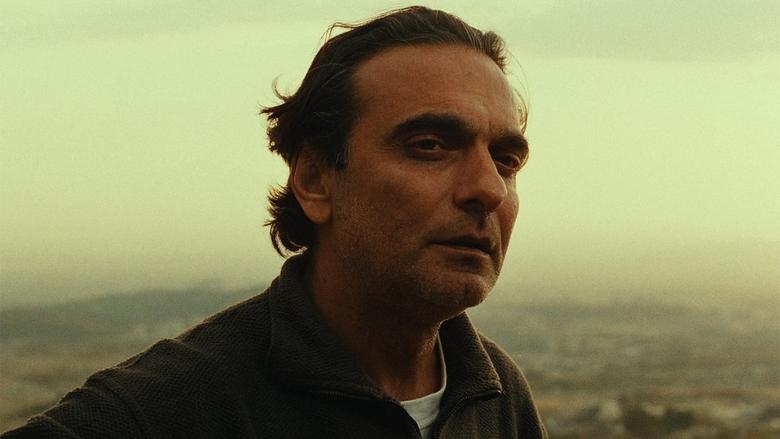
The film builds slowly toward the night of the suicide. After securing Bagheri's help, Badii goes to his apartment, prepares, and drives to the hole in the darkness. A thunderstorm breaks out. Badii lies down in the grave and stares up at the sky, illuminated by flashes of lightning. The screen fades to black and remains dark for a long time, forcing the audience to sit with the silence of death.

Suddenly, the film cuts to low-quality, handheld video footage. It is daytime. We see the film crew, the soldiers from the earlier scenes now relaxing, and Kiarostami himself directing. Homayoun Ershadi (Badii) is seen walking around, handing a cigarette to Kiarostami. The 'reality' of the film is broken. Badii has not died; the movie has ended. This twist denies the audience a narrative resolution (we never know if the character died) but offers a thematic resolution: life continues. The crew filming the movie represents the construction of meaning, and the green hills suggest a spring-like renewal.

Alternative Interpretations

The Dream / Purgatory Theory: Some critics interpret the cyclical driving and the barren landscape as a form of purgatory where Badii is already dead or trapped in a loop, seeking a release he cannot find.

The Political Allegory: The interactions with the soldier, the seminarist, and the taxidermist can be read as a commentary on the institutions of Iran—the Military, Religion, and the secular/pragmatic working class—and their inability or ability to address individual suffering.

The Cinema as Life: The ending suggests that 'Mr. Badii' doesn't die because he is a fictional character; the 'resurrection' is the revelation of the actor. This implies that cinema allows us to rehearse death but ultimately returns us to the vitality of life.