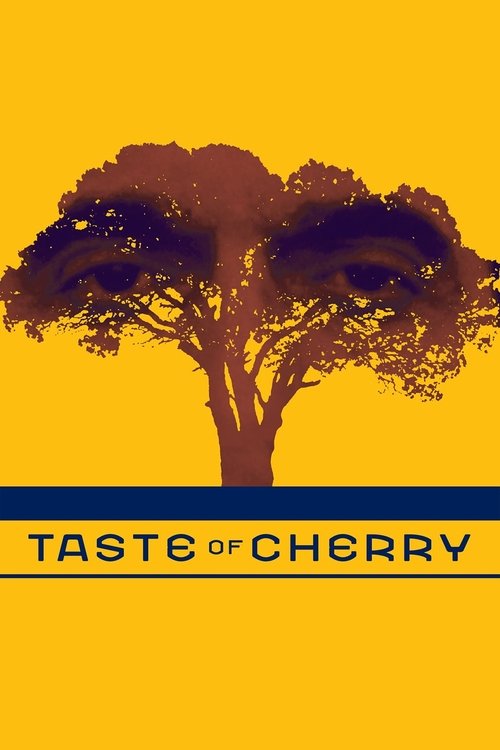
طعم گيلاس
Taste of Cherry - Symbolism & Philosophy
Symbols & Motifs
The Range Rover
It symbolizes Badii's isolation and his modern, detached existence. It acts as both a protective shell and a moving coffin, cutting him off from the dust and reality of the world outside.
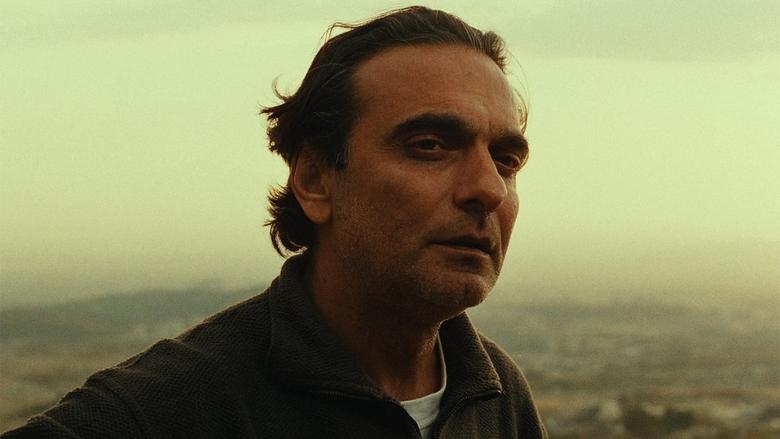
Almost the entire film takes place inside or around this vehicle as Badii drives in circles through the construction site.
The Taste of Cherry / Mulberry
Represents the small, sensory pleasures that make life worth living. It is the antidote to existential despair—a reminder that happiness is often physical and immediate rather than abstract.
Mr. Bagheri recounts how he planned to hang himself but stopped to eat mulberries from the tree he intended to die on, which changed his mind.
The Grave / The Hole
A return to the earth and the womb. It represents the finality of death but also the connection to the soil and nature.
Badii frequently visits the hole he has dug, sitting by it or lying in it, testing the physical reality of his death.
Dust and Earth
Symbolizes the cycle of life and death, the raw material of creation, and the inevitability of returning to the ground. It creates a visual landscape that is both barren and pregnant with potential.
The construction site is dominated by earth-moving machines and clouds of dust, constantly reshaping the landscape.
Philosophical Questions
Is suicide a valid exercise of personal autonomy?
The film presents suicide not as a tragedy but as a choice. Badii claims the right to end his life as a fundamental freedom, challenging religious and social constraints that view life as a duty.
Can one human truly understand another's pain?
Badii repeatedly tells his passengers, 'You can't feel what I feel,' suggesting an unbridgeable gap of subjectivity. The film asks if empathy is enough to save someone, or if we are ultimately alone in our experience of the world.
Does nature provide an objective reason to live?
Through Bagheri's monologue, the film proposes that the sensory experience of the natural world (fruit, sunrise, seasons) provides an intrinsic value to existence that transcends intellectual suffering.
Core Meaning
The Affirmation of Life Through Death
Taste of Cherry is not a film about the despair of suicide, but rather a contemplation on the choice to live. Kiarostami removes the why of Badii's suicide to focus entirely on the how of his connection to the world. The film suggests that life's meaning is found not in grand narratives, but in immediate sensory experiences—the color of the sky, the warmth of the sun, and the taste of fruit. By juxtaposing Badii's isolation in his car with the expansive, living world outside, the film argues that the beauty of existence is always present, waiting to be tasted, even at the edge of the grave.