
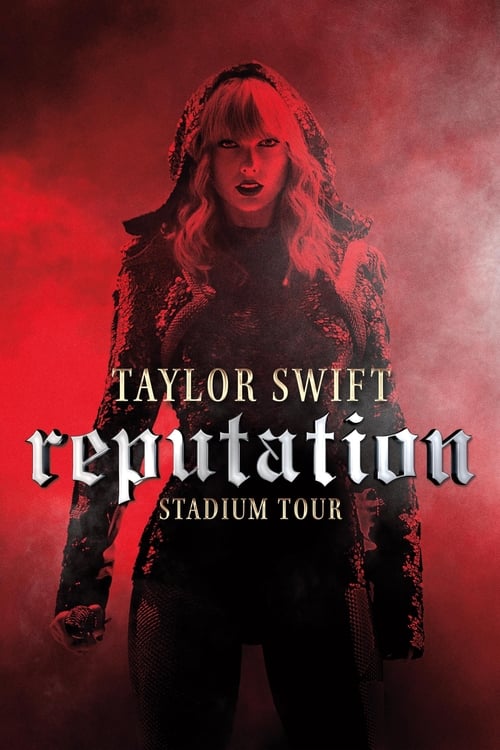
"And in the death of her reputation, she felt truly alive."
Taylor Swift: Reputation Stadium Tour - Symbolism & Philosophy
Symbols & Motifs
The Snake (Ouroboros)
The snake is the film's dominant symbol. Initially used against Swift as an insult, she reclaims it to symbolize transformation, rebirth, and the shedding of an old skin (or reputation). It also represents the danger and perceived villainy attributed to her, which she embraces with a theatrical, self-aware wink. The use of the Ouroboros (a snake eating its own tail) in promotional materials specifically symbolizes cycles, regeneration, and immortality.
Snake imagery is omnipresent throughout the film. It appears on microphone stands, costumes, and screen visuals. Giant, skeletal snakes rise on stage during "Look What You Made Me Do," and she travels from one B-stage to another on a snake-skeleton-themed transport.
Newspaper Print / Gothic Font
The use of newspaper print and Old English/gothic font in the visuals symbolizes the public headlines and media narratives that defined her public image. It represents the way her story was written by others, often in a sensationalized and dramatic fashion. By using this aesthetic, she co-opts the medium that was used to critique her.
This font and imagery are used in the opening video montage, on screen visuals, and on tour merchandise. Confetti in the shape of newspaper clippings is blasted into the audience. The final on-screen message, "And in the death of her reputation, she felt truly alive," is displayed in this font.
The Tilted Stage
The tilted, seemingly unstable main stage symbolizes the precariousness and imbalance of her life during the period of public backlash. Lyrically referenced in "Look What You Made Me Do" ("I don't like your tilted stage"), it's a direct nod to the public drama and her feeling that the playing field was unfairly slanted against her.
The main stage itself is a massive, angular structure that appears to be off-kilter. This is a deliberate production design choice that visually reinforces the themes of chaos and instability before she finds her footing in the latter half of the show.
Philosophical Questions
Can an identity forged in the public eye ever be truly authentic?
The film grapples with the concept of a 'reputation' as an identity created by others. Swift's journey is about destroying this external construct and presenting what she claims is her true self. This raises the question of whether authenticity is possible for someone whose life is a public performance. Is the 'new Taylor' truly more real, or is she another, more carefully curated version designed to be perceived as authentic? The film invites the audience to consider the lines between persona, personality, and performance in the age of social media.
What is the relationship between art, artist, and audience in shaping a narrative?
The film is a powerful example of an artist using their platform to directly engage with and alter their public narrative. However, it also highlights the audience's role. The fan chant during "Delicate" and the communal energy of the stadium show that the narrative is co-created. The film explores whether an artist's story is solely their own to tell, or if it becomes a shared text, interpreted, and even altered by the very fans who consume it. The tour's success demonstrates that when the artist's and audience's desired narratives align, the cultural impact is immense.
Core Meaning
The core meaning of "Taylor Swift: Reputation Stadium Tour" is the powerful act of reclaiming one's own narrative. The film documents Taylor Swift's response to a period of intense public scrutiny and vilification, transforming symbols used against her—most notably the snake—into emblems of empowerment and rebirth. The director, Paul Dugdale, captures a meticulously crafted show that is both a bombastic declaration of resilience and an intimate journey toward vulnerability. The film's message is that one can confront public perception, shed a manufactured identity, and emerge stronger and more authentic, finding genuine happiness not in public approval, but in true connections. It's a statement on the death of a manufactured "reputation" and the subsequent freedom and life found in its wake.