The series is defined by several major twists. In Season 1, Robin is forced to become Slade's apprentice to save his friends, revealing the darkness within him. Season 2 reveals Terra as a spy working for Slade, leading to her betrayal of the team and eventual suicide-sacrifice to stop a volcano. Season 3 reveals that the 'Slade' haunting Robin is a hallucination triggered by a chemical agent. Season 4 confirms Raven is the portal for the apocalypse, and she actually dies (or is reborn) as a child before defeating Trigon. The biggest twist is the finale: Terra returns, unexplained, but has no memory of the Titans. Beast Boy is forced to abandon his quest to 'save' her, running off to fight a white monster, symbolizing that the fight goes on even when personal closure is denied.
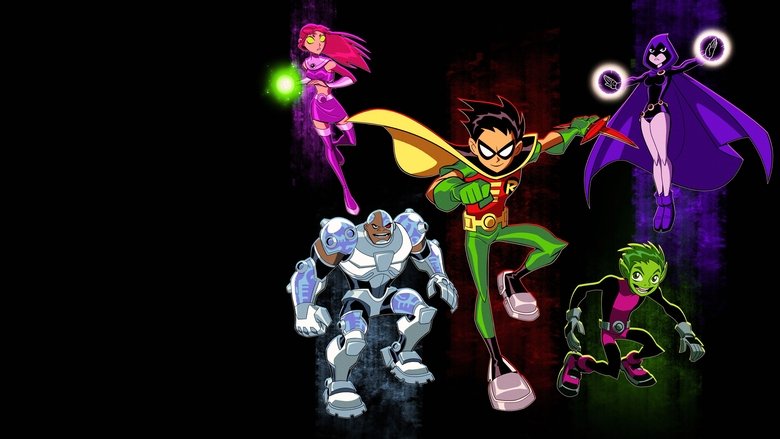
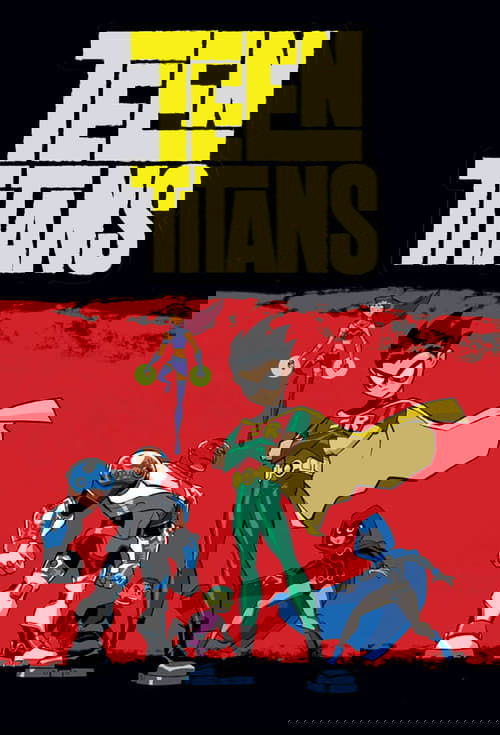
"When there's trouble, you know who to call."
Cast: Greg Cipes, Scott Menville, Khary Payton, Tara Strong, Hynden Walch
Teen Titans — Ending Explained
⚠️ Spoiler Analysis
Alternative Interpretations
The finale, 'Things Change', offers the most fertile ground for interpretation. Some viewers believe the girl Beast Boy meets is not Terra, but a doppelganger, symbolizing his inability to let go of the past. Others believe it is Terra, and she is feigning amnesia to escape her traumatic life as a super-weapon, representing the right to choose a normal life over a hero's duty. Another interpretation concerns Slade in Season 3; his 'ghost' in 'Haunted' is often viewed not just as a hallucination, but as a manifestation of Robin's PTSD and survivor's guilt, blurring the line between supernatural villainy and mental illness.
Explore More About This Movie
Dive deeper into specific aspects of the movie with our detailed analysis pages