Since Tel chi el telùn is a sketch-based comedy show rather than a narrative film, there are no plot twists to spoil. The structure is a series of self-contained comedic situations. The show opens with a pre-filmed sequence parodying Mission: Impossible, where Giovanni and Giacomo break into a high-security vault only to find Aldo trapped inside an ATM. This sequence ends with the trio physically emerging from the video screen onto the live stage, breaking the fourth wall.
The show then proceeds through its most famous sketches:
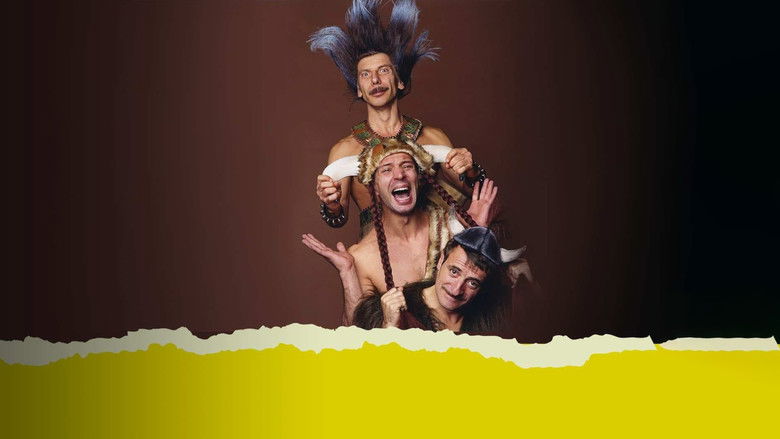
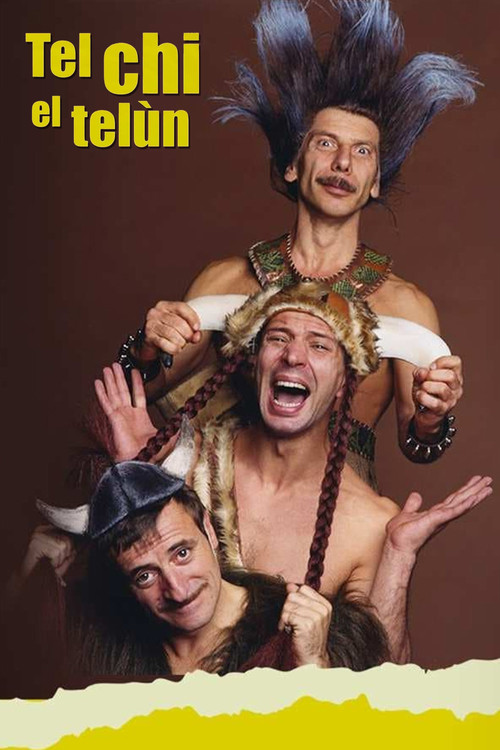
- Pdor: A caveman (Aldo) and his son (Giacomo) try to transcribe the convoluted and self-important commandments of a deity named Pdor (voiced by Giovanni).
- I Chirurghi (The Surgeons): In a parody of medical dramas, Dr. Alzheimer (Giovanni) and his incompetent team (Aldo and Giacomo) practice 'disengaged surgery' on a patient, which involves singing lullabies as anesthesia and using a dart to administer curare.
- Busto Garolfo Cops: A parody of American police academy films, where Captain Tiger (Giovanni) tries to train two hopeless cadets, Dexter (Aldo) and Sugar (Giacomo).
- Il Viaggio (The Trip): The trio embarks on a road trip in their beat-up Subaru Baracca, which descends into a series of arguments over food, bathroom breaks, and directions, ultimately realizing they are going to the wrong wedding on the wrong day.
- Ajeje Brazorf / Il Controllore: A common man (Aldo) on a tram is confronted by a ticket inspector (Giovanni) and an meddling elderly passenger (Giacomo). Ajeje tries every possible excuse to avoid admitting he has no ticket.
The finale involves Marina Massironi attempting to recite dramatic poetry while the trio, bored and childish, begins a silent but escalating physical fight behind her, culminating in a full-blown slapstick brawl that completely derails her performance. This final sketch perfectly encapsulates the show's spirit: the triumph of low-brow, chaotic comedy over high-brow artistic pretension.