
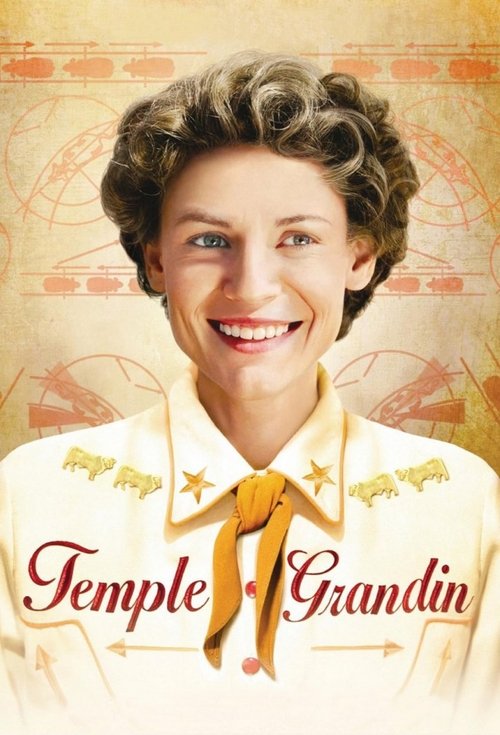
"Temple Grandin" follows a linear path of triumph over adversity, culminating in two major breakthroughs. The first is her professional success. After facing intense sexism and skepticism, Temple's innovative and humane designs for cattle handling are finally implemented. A key turning point occurs after a ranch hand alters her dip vat design, causing several cows to drown. This failure, followed by encouragement from her dying mentor, Dr. Carlock, solidifies her resolve. She eventually secures a contract to design a complete system for a major plant, and its successful, humane operation becomes the ultimate validation of her life's work. The hidden meaning here is that her success is not just an intellectual victory but a moral one, proving that empathy and good business can coexist.
The film's emotional climax occurs at the 1981 National Autism Convention. Throughout the movie, Temple has struggled to connect with people and has largely seen her autism as a set of challenges to be managed. At the convention, she is initially just an attendee. However, when the keynote speaker is unable to attend, Temple's mother encourages her to speak. Standing before a crowd of people like her, she publicly embraces her identity, explaining how her mind works and how she found her place in the world. When a woman asks how she was "cured," Temple's response—that she will always live with autism and that it's part of who she is—is a pivotal moment of self-acceptance. By stepping up to the podium, she completes her arc from a voiceless child to a powerful voice for a community, finding a new "door" to walk through: advocacy.