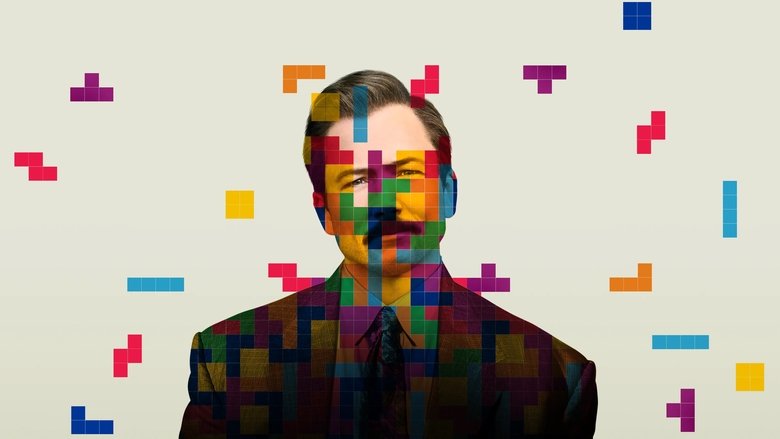
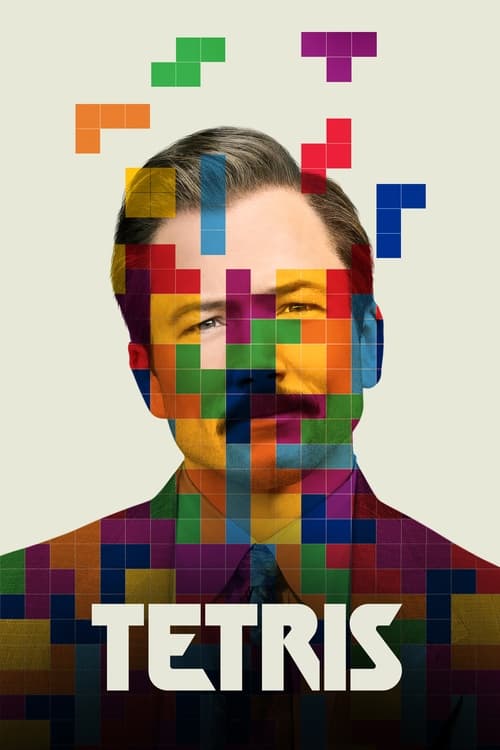
"The game you couldn't put down. The story you couldn't make up."
Tetris - Symbolism & Philosophy
Symbols & Motifs
Falling Blocks (Tetrominoes)
The continuous, accelerating cascade of blocks symbolizes both the escalating tension of the Cold War negotiations and the psychological need to find order within chaos.
Henk visualizes life as falling blocks after first playing the game, and the 8-bit aesthetic is woven throughout the film to transition scenes and represent the characters' mental states.
The Vague Contract
It represents control, power, and the contrasting ideologies of the East and West. It is the ultimate MacGuffin that drives the espionage.
The ambiguous language regarding computers versus consoles drives the entire plot, weaponized by different factions to claim ownership of the game.
The Game Boy
It symbolizes the future, the democratization of technology, and the ultimate triumph of accessible joy over restrictive boundaries.
Henk secretly views the prototype at Nintendo, realizing it requires a universal game like Tetris to transcend demographics and unite players globally.
Philosophical Questions
Who truly owns a piece of art?
The film delves into the conflict between intellectual property and state ownership. It questions whether a creator's work belongs to the individual mind that conceived it, the corporation that markets it, or the state that employs the creator.
What is the moral cost of ambition?
Henk risks his family's financial ruin, his marriage, and his own life in the Soviet Union to secure the game. The film asks audiences to weigh the line between visionary determination and reckless obsession.
Can play transcend ideological boundaries?
By showing characters from deeply opposed political systems bonding over a puzzle game, the narrative explores whether pure human joy and the instinct for play are universal traits that can dissolve societal and political conditioning.
Core Meaning
At its core, Tetris is a testament to the unifying power of art and human connection across seemingly insurmountable ideological divides. The director uses the creation and distribution of the game to contrast the oppressive, state-controlled environment of Soviet communism with the cutthroat, profit-driven motives of Western capitalism. Through the platonic love story between Henk Rogers and Alexey Pajitnov, the film suggests that genuine passion for creation and play can transcend political boundaries and corporate greed. It argues that art, even in the form of a simple digital puzzle, belongs to the world and has the profound ability to bring out our shared humanity.