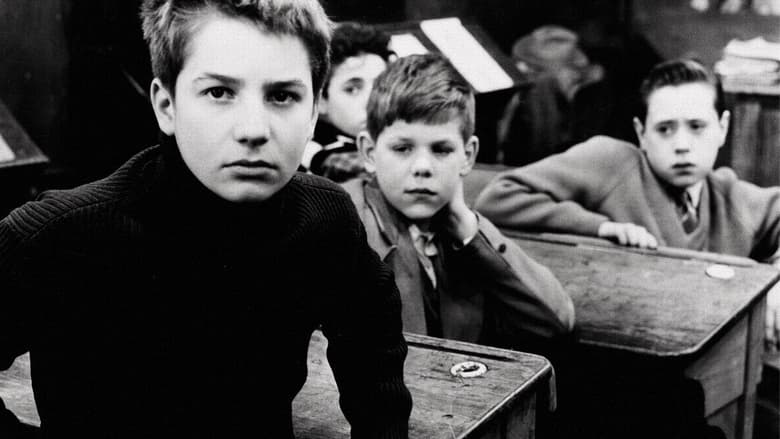
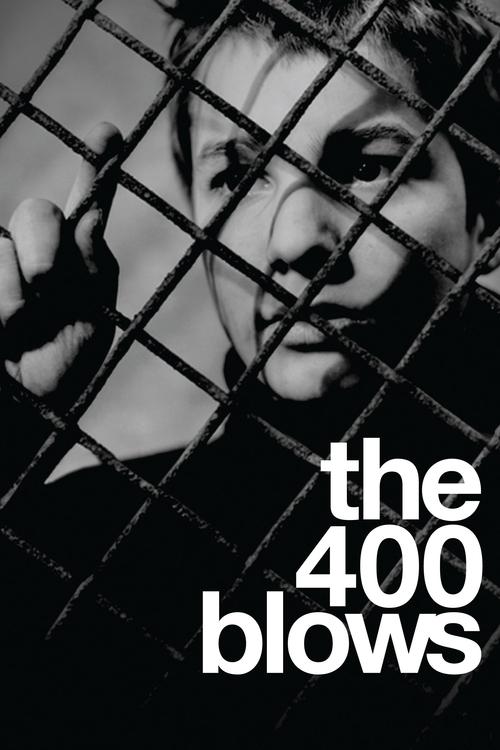
"The 400 Blows" follows the escalating rebellion of its young protagonist, Antoine Doinel. After being accused of plagiarizing an essay on Balzac (an author he genuinely admires), Antoine decides to run away from home for good. He and his friend René attempt to fund his escape by stealing a typewriter from his stepfather's office. However, Antoine is unable to sell it and, in a moment of panic, decides to return it. As he is trying to put it back, he is caught by a building manager and his stepfather hands him over to the police.
This marks the film's major turning point. Antoine is subjected to the impersonal and humiliating process of the juvenile justice system. He spends a night in jail with adult criminals and is eventually sent to an "observation center" for troubled youths by the sea. During a visit, his mother coldly informs him that she and his stepfather are giving up their parental rights. The hidden meaning that becomes clear is that there is no hope for reconciliation or a return to a normal childhood; Antoine has been completely abandoned by the adult world.
The climax of the film is Antoine's escape during a soccer game. In a long, continuous tracking shot, he runs under a fence and flees across the countryside until he finally reaches the sea, his long-held dream. The spoiler is that this is not a triumphant moment of freedom. He runs into the water, turns back, and looks directly into the camera. The film freezes on his uncertain, questioning expression, and zooms in. The ending reveals that his journey is not over; he has escaped one prison only to find himself in a vast, open, and equally uncertain future. The lack of resolution is the point, symbolizing that his story, and the societal problems it represents, are far from over.