At its core, Matt Reeves' film is an exploration of trauma, class inequality, and the destructive cycle of violence. The director uses Batman's journey to argue that fear and vengeance are insufficient tools for systemic change. By mirroring Batman's motivations with the Riddler's twisted ideology, the film demonstrates how unchecked rage—even when aimed at corruption—only breeds more destruction. The ultimate message is that true heroism requires profound compassion and the willingness to be a beacon of hope, inspiring people to heal rather than simply punishing those who sin.
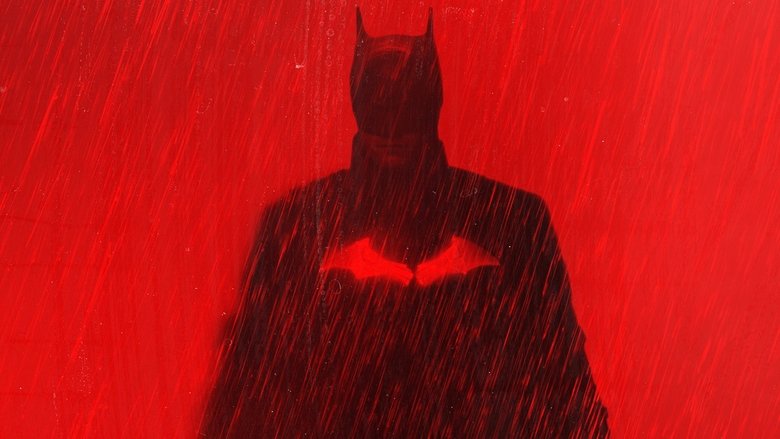
A rain-drenched neo-noir thriller that plunges into the psychological depths of grief. Under the suffocating neon glare of a decaying Gotham, a broken vigilante must crawl from the shadows of vengeance to become a fragile beacon of hope.
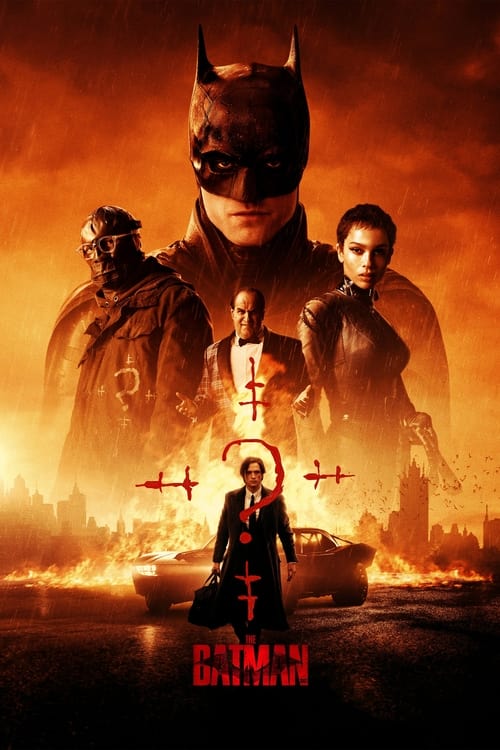
The Batman
"Unmask the truth."
01 March 2022
United States of America
177 min
7.7
(11,647)
Director: Matt Reeves
Cast: Robert Pattinson, Zoë Kravitz, Jeffrey Wright, Colin Farrell, Paul Dano
Crime
Thriller
Mystery
Vengeance vs. Justice
Systemic Corruption and Class Divide
Trauma and Grief
Identity and The Mask
Budget:
$185,000,000
Box Office:
$772,775,278
The Batman — Symbolism & Philosophy
Symbols & Motifs
Water and The Flood
Meaning:
The apocalyptic flood at the climax serves as a biblical motif of both destruction and baptismal rebirth. It represents the ultimate consequence of the city's sins while also providing a slate-cleaning moment for a new beginning.
Context:
The Riddler destroys Gotham's seawalls, flooding the city. In the immediate aftermath, Batman physically steps down into the dark water to rescue trapped citizens, signaling his rebirth from a creature of the shadows to a guiding light.
The Flare
Meaning:
A literal and metaphorical beacon of hope, illumination, and salvation in the darkness.
Context:
In the pitch-black, flooded arena, Batman ignites a brilliant red flare to lead the injured and terrified citizens to safety, visually marking his transition from a vigilante who hides in the dark to a hero who leads people into the light.
Ave Maria
Meaning:
The classic hymn represents embitterment, lost innocence, and the perversion of good intentions. It highlights the failure of Thomas Wayne's Renewal project to save the city's most vulnerable children.
Context:
The song is used hauntingly throughout the film, notably in the opening murder scene and when sung by the Riddler in Arkham Asylum, serving as an eerie auditory motif for Edward Nashton's dark crusade.
The Journal / Drifter Disguise
Meaning:
Bruce's obsessive documentation and his drifter persona symbolize his extreme isolation, psychological trauma, and his desperate need to make sense of his pain while staying disconnected from society.
Context:
Bruce records his nightly patrols in a diary (reminiscent of Rorschach from Watchmen) and walks the streets in plain, grimy clothes to blend in, highlighting his complete detachment from his wealth and his immersion in the city's decay.
Philosophical Questions
Can true justice ever be achieved through vengeance?
The film intensely scrutinizes the morality of retribution. By having the Riddler's violent crusade directly mirror Batman's own brutal tactics, the narrative suggests that fighting crime with mere anger only perpetuates a vicious cycle of violence, demanding that true justice must be rooted in compassion and hope.
Are we defined by our family's legacy and past sins?
Bruce Wayne struggles immensely under the weight of his parents' mythic reputation. When he discovers his father's dark connection to mob boss Carmine Falcone, he must grapple with the philosophical dilemma of whether he is doomed by the sins of his father or if he can forge his own independent moral path.
What is the true cost of systemic class inequality?
Through the sharply contrasting lives of billionaire Bruce Wayne and the orphaned Edward Nashton (The Riddler), the film asks how much societal decay is responsible for creating monsters. It explores whether the elite's hoarding of resources (via the stolen Renewal fund) is the true source of Gotham's madness.
Core Meaning
Explore More About This Movie
Dive deeper into specific aspects of the movie with our detailed analysis pages