
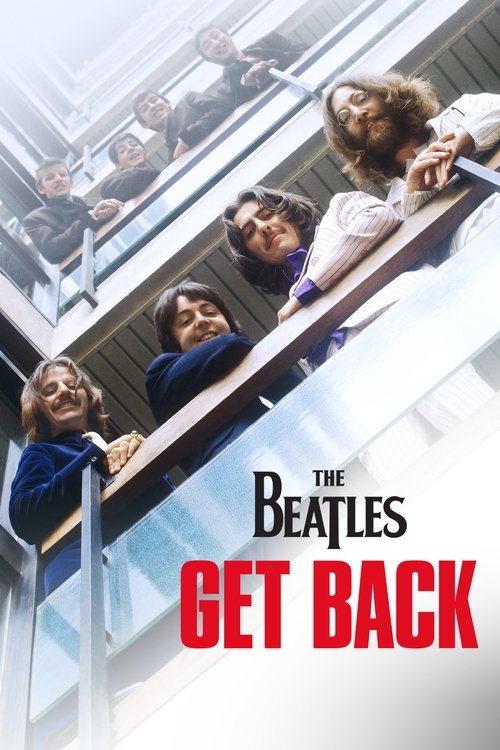
"Experience the 3-part event."
The Beatles: Get Back - Symbolism & Philosophy
Symbols & Motifs
The Rooftop
Symbolizes rebellion and clarity. By ascending to the roof, the band literally and figuratively rises above the noise of their internal disputes and the constraints of the studio to perform for the city of London.
Used as the setting for the series' climax in Episode 3, where the band's visible joy contrasts with the police's attempts to shut them down below.
Tea and Toast
Represents the mundane humanity of the group. It grounds the legendary "gods of rock" in the reality of their daily routine and British culture.
Repeatedly seen throughout the sessions as Mal Evans and Kevin Harrington constantly provide the band with refreshments, highlighting the domesticity within the workspace.
The January Calendar
A symbol of inevitability and pressure. It marks the passage of time and the narrowing window before they must deliver an album or face failure.
Jackson uses a graphic calendar at the start of each segment to orient the viewer, emphasizing how little time they actually had to create so much music.
The Hidden Microphone (Flowerpot)
Symbolizes intimacy and the erosion of privacy. It captures the honest, vulnerable core of the Lennon-McCartney partnership when they thought no one was listening.
Used by the original film crew to record a private lunch conversation between John and Paul after George's departure in Episode 1.
Philosophical Questions
Does art require friction to be great?
The series explores how the tension between Paul's leadership and George's dissatisfaction served as the grit that produced the pearls of their music, questioning if they could have been as productive without the internal conflict.
Can a collective identity survive individual maturity?
It delves into the tragedy of the "four-headed monster" as the members realize they can no longer suppress their individual needs for the sake of the band's brand.
Core Meaning
The core of the series is a meditation on the nature of creative collaboration and the endurance of friendship. It seeks to demystify the legendary "acrimony" of The Beatles' final year by showing that their eventual dissolution was not a sudden explosion of hatred, but a gradual outgrowing of their shared identity as they matured into individuals. Through the lens of the "Get Back" sessions, the series illustrates that even in moments of profound professional uncertainty, the joy of making music together remained their strongest tether. It serves as an ultimate testimony to the fact that The Beatles were, at their heart, a group of friends who functioned as a single, intuitive organism when the instruments were in their hands.