The final act reveals that the entire interaction with Claire was an elaborate long-con masterminded by Virgil’s 'friend' Billy and the mechanic Robert. Billy, resentful of Virgil’s dismissive attitude toward his art, used Robert (the technical lead) and an actress (the woman pretending to be Claire) to exploit Virgil's psychological vulnerabilities. They used Virgil's own expertise in forgeries to trap him, even building a fake 'automaton' to keep him coming back to the villa. The scam culminates in the theft of Virgil's entire secret collection of female portraits. The ending reveals that Virgil is now in a mental institution, though he eventually travels to Prague to wait at the 'Night and Day' cafe—a location Claire mentioned in a story. He is waiting for her, clinging to the belief that her whispered 'no matter what happens, I really do love you' was the 'authentic' stroke in the master forgery of their relationship.
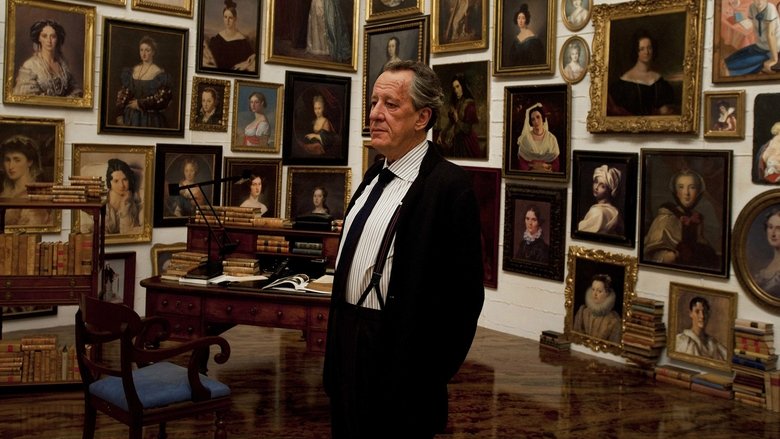
A sophisticated psychological thriller where an ivory-tower art auctioneer is seduced by a reclusive heiress, trading his meticulously curated isolation for a hauntingly beautiful, yet potentially catastrophic, emotional masterpiece.
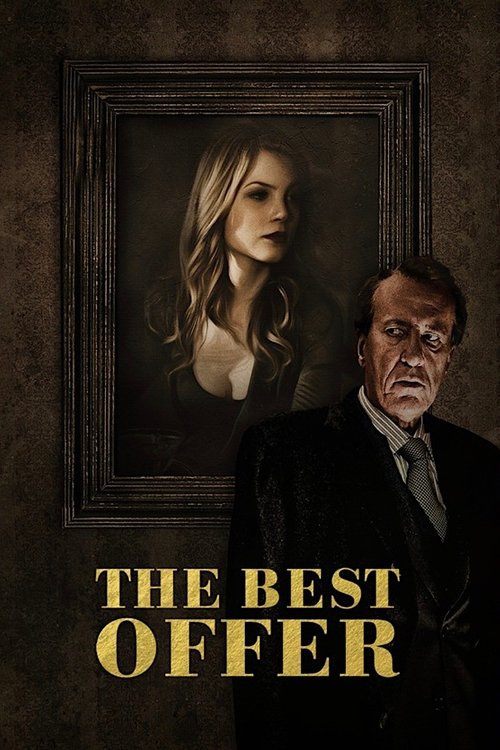
The Best Offer
La migliore offerta
"A master of possession. A crime of obsession."
01 January 2013
Italy
131 min
7.8
(2,972)
Director: Giuseppe Tornatore
Cast: Geoffrey Rush, Jim Sturgess, Sylvia Hoeks, Donald Sutherland, Maximilian Dirr
Drama
Crime
Romance
The Duality of Authenticity and Forgery
Isolation and Human Connection
Obsession and Voyeurism
Betrayal and Revenge
Budget:
$13,500,000
Box Office:
$19,255,873
The Best Offer — Ending Explained
⚠️ Spoiler Analysis
Alternative Interpretations
There are several ways to interpret the film's haunting conclusion in Prague:
- The Hopeful Reading: Virgil waits at the 'Night and Day' cafe because he truly believes that Claire loved him. He is following the 'something authentic' theory, hoping that her confession of love was the one part of the scam that was real.
- The Delusional Reading: Some viewers interpret the final sequence as a hallucination or a manifestation of Virgil's mental breakdown while in the asylum. The sterile, white, rotating environment of the asylum early in the ending sequence suggests he may never have left.
- The Purgatory Reading: The cafe represents a personal purgatory where Virgil is trapped in time (surrounded by clocks), unable to return to his old life of art or move forward into a new one.
Explore More About This Movie
Dive deeper into specific aspects of the movie with our detailed analysis pages