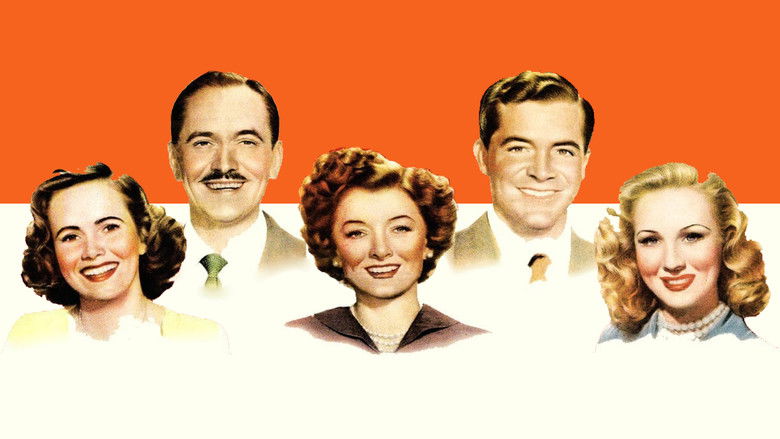

The film's resolution is a complex mix of triumph and ongoing struggle. Homer and Wilma's wedding serves as the emotional anchor; by allowing Wilma to see him at his most vulnerable (removing his hooks), Homer finally bridges the gap of shame. This marriage provides the backdrop for the final union of Fred and Peggy.
Fred's arc concludes when he finally finds a job at the airplane boneyard, not as a pilot, but as a laborer recycling the planes into houses. This signifies his acceptance that the war is over and that his future lies in building rather than destroying. However, the ending remains bittersweet: Al’s alcoholism is never fully addressed, and the financial stability of the characters is precarious, suggesting that while they have found love, their 'best years' may indeed be behind them in the shared intensity of war.