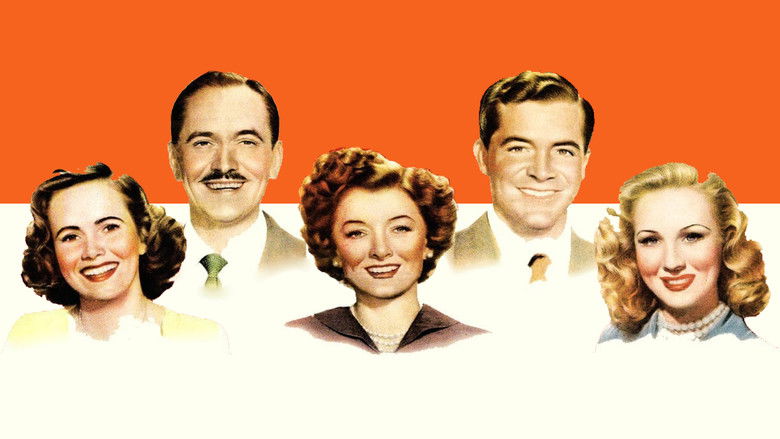

"Three wonderful loves in the best picture of the year!"
The Best Years of Our Lives - Symbolism & Philosophy
Symbols & Motifs
The Airplane Boneyard
Represents obsolescence and discarded utility. Just as the B-17 bombers are being scrapped for parts to build prefab houses, the veterans feel like spent shells of men, their wartime purpose ended and their civilian value questioned.
In a pivotal scene, Fred wanders through a vast field of decommissioned planes, eventually climbing into a cockpit to relive his trauma—a visual metaphor for his inability to escape the past.
Homer’s Hooks
Symbolizes the barrier to intimacy and the visible mark of the war's permanence. They are tools of independence but also mechanical intrusions that prevent him from feeling truly human or "whole" in a romantic sense.
Homer uses his hooks to demonstrate his vulnerability to Wilma in the bedroom scene, where he shows her how helpless he is without them, testing the limits of her love.
Butch’s Piano
Symbolizes continuity and communal healing. The bar owned by Homer's uncle is a neutral ground where the ranks of the military and the classes of Boone City disappear, replaced by the shared rhythm of the music.
Homer and Butch play a piano duet together; the scene emphasizes that despite his loss, Homer can still contribute to a harmonious whole through coordination and practice.
Philosophical Questions
What does a society owe those who sacrifice for it?
The film explores whether the 'debt' to veterans is merely financial (the GI Bill) or moral. It questions if a capitalist system can ever truly honor a sacrifice that has no monetary equivalent.
Can an individual ever truly 'come home' after trauma?
The film suggests that 'home' is not a place but a state of mind that must be rebuilt. The characters find that while their houses remained the same, their internal landscapes have been permanently altered.
Core Meaning
The film is a profound exploration of reintegration and the psychological cost of war. Director William Wyler, himself a veteran, sought to strip away the Hollywood glamour of the war hero and replace it with the gritty reality of "civilian combat." The core message is that the end of a war is not the end of the struggle for the soldier; the return home requires a different kind of courage—the courage to be vulnerable, to accept change, and to find dignity in a world that no longer operates on military logic.
It critiques a capitalist society that treats veterans as "obsolete equipment" (symbolized by the airplane boneyard) and suggests that human empathy and community, rather than institutional policy, are the keys to healing the fractured postwar soul.