The Big Bad Fox and Other Tales
A watercolor dream where Looney Tunes chaos meets gentle French melancholy. Through the framing of a rickety theater play, it paints a poignant yet hilarious portrait of identity, accidental parenthood, and the tender absurdity of finding family in the most unlikely places.
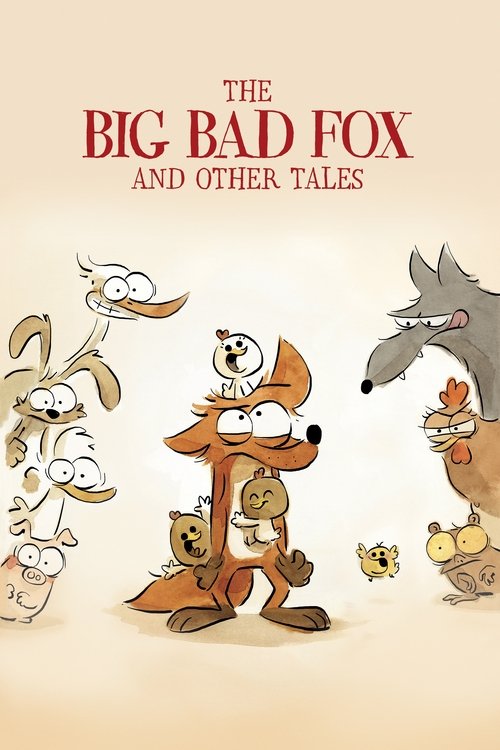
The Big Bad Fox and Other Tales

Le Grand Méchant Renard et autres contes...

21 June 2017 Belgium 83 min ⭐ 7.7 (311)
Director: Patrick Imbert Benjamin Renner
Cast: Guillaume Darnault, Damien Witecka, Kamel Abdessadok, Antoine Schoumsky, Céline Ronté
Animation Family Comedy
Nature vs. Nurture The Redefinition of Family Appearance vs. Reality Incompetence and Innocence
Budget: $3,000,000
Box Office: $19,030,780

The Big Bad Fox and Other Tales - Ending Explained

⚠️ Spoiler Analysis

The Big Bad Fox: The twist is that the Fox does not eat the chicks. Instead, he trains them to be 'foxes,' and they terrorize the other animals. In the climax, the Fox saves the chicks from the Wolf, and the Hen (the biological mother) agrees to a compromise: the Fox can continue to see the chicks and be their 'Mommy,' provided he undergoes 're-education' to be less of a predator. The chicks end up with two mothers.

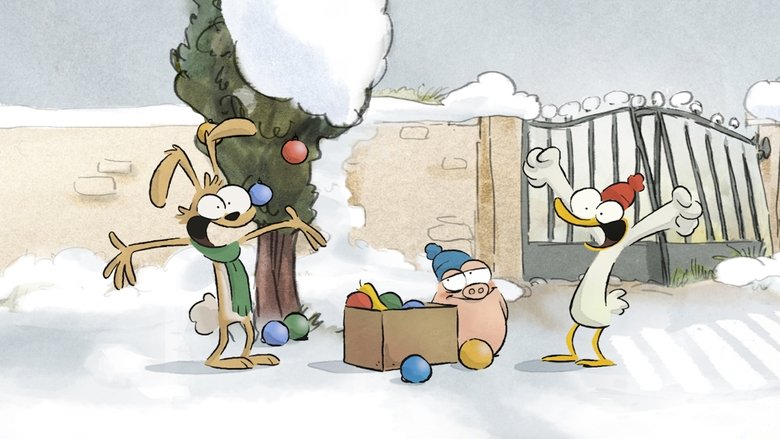
Saving Christmas: The twist is that Duck and Rabbit didn't kill Santa; they just broke a lawn ornament. However, they do end up helping the real Santa (who is revealed to be small and clinging to the chimney) deliver gifts, proving that their chaotic hearts were in the right place.

Alternative Interpretations

The Feminist Reading: Some critics interpret the 'Big Bad Fox' segment as a subversion of traditional gender roles. The Fox (a male character) takes on the 'Mother' role, while the Hen is portrayed as a tough, military-like protector. This flips the script on the passive mother/aggressive father stereotypes found in classic fables.

The Meta-Narrative on Anxiety: The 'Theater' framing device can be read as a representation of social anxiety. The Fox acting as the 'host' is constantly nervous, apologizing for mistakes and terrified of the audience's judgment, mirroring his anxiety in the story about not being a 'good enough' predator.