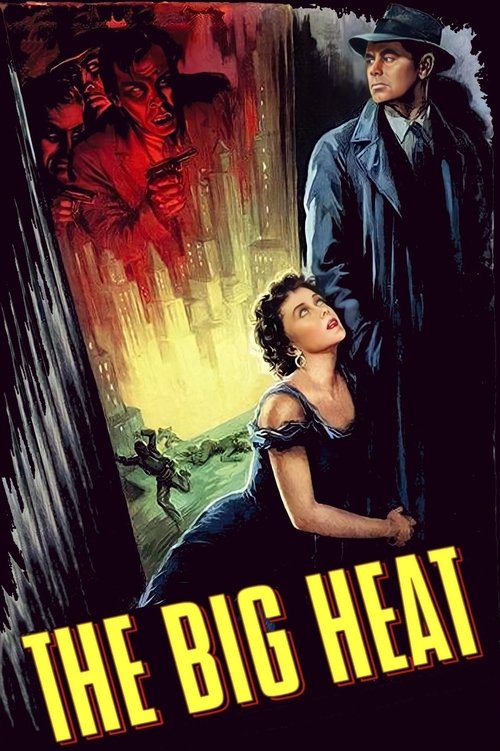
The plot is catalyzed by the suicide of Officer Tom Duncan, who leaves a confession detailing the mob's control over the city. His widow, Bertha, uses this letter to blackmail mob boss Mike Lagana. When Bannion investigates too closely, the mob plants a bomb in his car, accidentally killing his wife, Katie. This twist shatters the film's moral compass, turning Bannion into a rogue vigilante who quits the force.
The film's most shocking turning point occurs when sadistic mobster Vince Stone learns his girlfriend, Debby, has been talking to Bannion. In a fit of rage, Stone throws a pot of boiling coffee in Debby's face, permanently scarring her. Seeking refuge and revenge, a bandaged Debby teams up with Bannion.
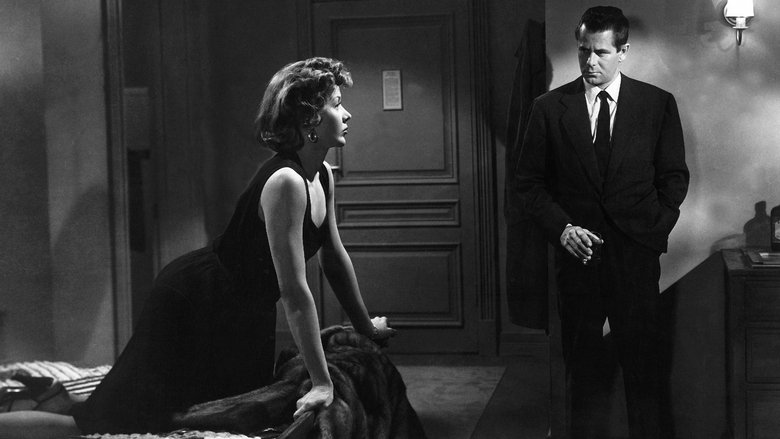
In the climax, the hidden meanings of the characters' moral alignments become clear. Bannion is technically paralyzed by his own moral code—he cannot bring himself to murder Bertha Duncan in cold blood to release the blackmail letter. Realizing this, Debby sacrifices her own soul to protect his; she confronts Bertha, declaring them 'sisters under the mink,' and shoots her dead. Debby then waits for Vince, throws boiling coffee in his face in poetic retaliation, and is fatally shot by him. Bannion arrests Vince rather than killing him, keeping his hands legally clean. The blackmail letter is released, the mob is dismantled, and Bannion returns to work, though the victory is heavily shadowed by the tragic cost paid by the women who helped him.