"A hard cop and a soft dame."
The Big Heat - Symbolism & Philosophy
Symbols & Motifs
The Scalding Coffee
It symbolizes the sudden, unpredictable eruption of sadistic cruelty, the destruction of superficial beauty, and ultimately, the burning sting of poetic justice and retribution.
A domestic beverage is transformed into an instrument of horrific violence when Vince Stone throws a boiling pot into Debby's face. Later, Debby returns the favor, using the exact same method to exact her revenge.
The Suicide Letter
The letter represents the hidden sins of the city's power structure, institutional rot, and the concept of mutually assured destruction.
Left by the corrupt officer Tom Duncan and held for blackmail by his widow Bertha, it acts as the film's central MacGuffin, driving the plot and keeping the mob's fragile ecosystem in check.
The Mink Coat
A symbol of ill-gotten wealth, moral complicity, and the trading of one's soul for material comfort.
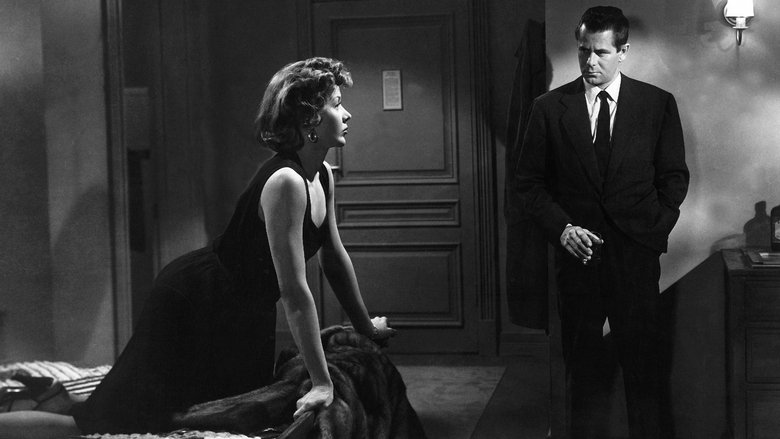
Worn by both the 'respectable' mob widow Bertha Duncan and the gangster's moll Debby Marsh. Debby explicitly uses it to compare the two women, pointing out that despite their different social standings, they are 'sisters under the mink.'
Philosophical Questions
Does the pursuit of righteous justice justify the collateral damage inflicted along the way?
The film aggressively questions the morality of Bannion's crusade. While his goal to dismantle the mob is just, his relentless, obsessive methods indirectly cause the deaths of several innocent or vulnerable women. The narrative asks whether a man can remain morally pure when his 'righteousness' demands such a high human cost.
Can true justice be achieved within a fundamentally corrupt system?
By showing a police force and city government entirely bought by the mob, the film explores the limits of institutional justice. Bannion must resign and step outside the law to be effective, raising the question of whether a broken system can ever be reformed from within, or if it requires extrajudicial destruction.
Are complicity and active malice morally equivalent?
Through the character of Bertha Duncan, who uses the mob's secrets to enrich herself without pulling a trigger, and Debby Marsh, who enjoys the fruits of Vince's violence, the film interrogates the guilt of bystanders. Debby's realization that they are 'sisters under the mink' asserts that turning a blind eye for personal gain is just as damning as committing the crimes.
Core Meaning
At its heart, The Big Heat is a blistering critique of systemic corruption and the fragility of post-war American domesticity. Director Fritz Lang portrays a cynical, fatalistic universe where evil is not confined to dark alleyways, but operates comfortably in brightly lit mansions and police headquarters. The film suggests that society's institutions are fundamentally compromised, and that maintaining the status quo requires a collective willingness to turn a blind eye to pervasive rot.
Furthermore, Lang explores the corrupting nature of vengeance and the steep moral cost of seeking justice. To defeat a monstrous system, the hero is pushed to descend to its level, abandoning the protections of the law. The film powerfully underscores that true sacrifice often falls on the marginalized—specifically women—who bear the brunt of male violence, highlighting the devastating collateral damage left in the wake of an individual's self-righteous crusade.