"Based on the extraordinary true story"
The Blind Side - Symbolism & Philosophy
Symbols & Motifs
TheLeftTackle/TheBlindSide
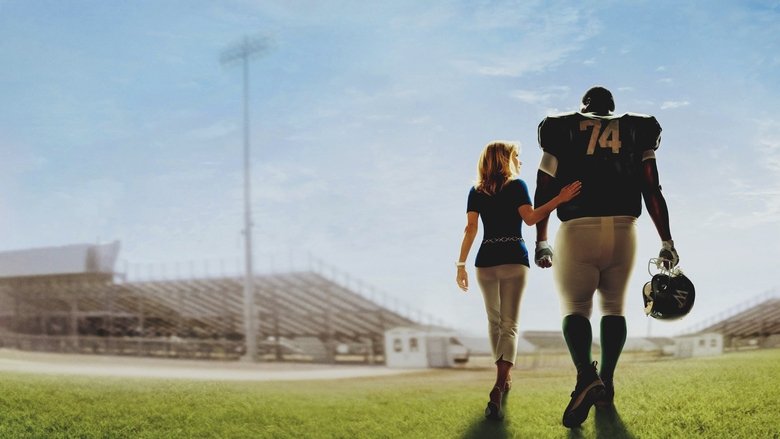
Thepositionofthelefttackle—whosejobistoprotectthequarterback'sunseen"blindside"—symbolizesthenecessityofguardingthevulnerabilitiesofothers[1.5]. It represents the protective emotional shield that the Tuohys provide for Michael, and the physical protection he offers them in return.
This is explicitly explained in Leigh Anne's opening monologue regarding the evolution of the game, and later applied to Michael when she tells him to view his teammates as his family members who need his protection on the field.
Hurt Village
Michael's old neighborhood symbolizes urban decay, cyclical poverty, and the systemic neglect that traps countless talented individuals without ever giving them a chance to flourish.
It is depicted in stark contrast to the Tuohys' wealthy neighborhood, and serves as a literal and emotional anchor that Michael must safely navigate and eventually transcend.
The New Bed and Clothing
A sense of dignity, identity, and stable comfort. They represent Michael's transition from a transient, forgotten outsider to a recognized, permanent member of a household.
When Leigh Anne gives Michael his own room, he remarks that he has never had a bed before. Later, Leigh Anne buys him brightly colored clothes (like his orange and blue rugby shirt), visually signaling his shift out of the shadows.
Philosophical Questions
Doesindividualcharitytrulyaddresssystemicinequality, ordoesitmerelymaskit?
Thefilmshowsawealthyfamily"saving"oneextraordinaryindividual, butitleavesthebroader, devastatingissuesofpoverty, drugaddiction, andfailingeducationsystemsinHurtVillageentirelyunresolved, questioningiftruejusticerequiressystemicreformratherthanisolatedactsofphilanthropy[1.12].
What legally and emotionally defines a true family?
The narrative explores whether family is dictated by biological bloodlines, legal documents, or the emotional bonds of mutual care and protection. This question is heavily complicated by the real-world revelation that Michael was placed under a conservatorship rather than legally adopted.
Who holds the moral right to tell and profit from a person's life story?
Given Oher's deep frustration that the film portrayed him as unintelligent—a stigma that followed him throughout his NFL career—the movie raises deep ethical questions regarding the power dynamics between Hollywood storytellers, wealthy subjects, and the vulnerable individuals whose trauma is adapted for entertainment.
Core Meaning
The core message of The Blind Side revolves around the transformative power of compassion, the necessity of looking beyond societal prejudices, and the reciprocal nature of salvation. The director aims to illustrate that while immense talent and potential exist in forgotten corners of society, it often requires someone willing to cross racial and socio-economic boundaries to nurture it. Furthermore, the film emphasizes that true charity is not a one-way street; in protecting Michael's vulnerabilities (his "blind side"), the Tuohys find their own lives enriched, their perspectives widened, and their family strengthened.