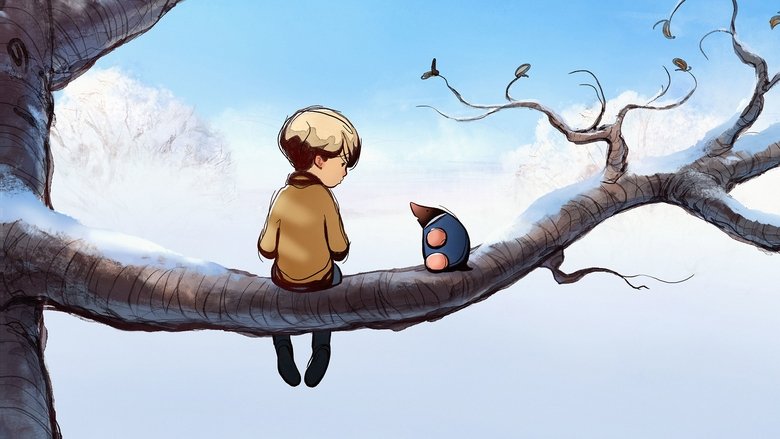
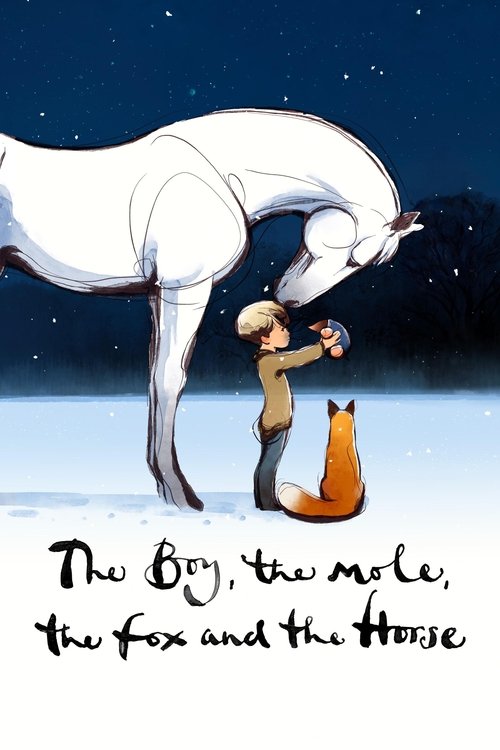
The plot of "The Boy, the Mole, the Fox and the Horse" is a gentle, meandering journey rather than a series of dramatic twists, but its key revelations are emotionally significant. The narrative builds around the formation of the group and their shared vulnerabilities, with the most significant plot turn involving the Horse. For much of the film, the Horse is a wise, grounded presence, but he carries a sadness. The climax of his personal story is the revelation that he has wings and can fly. He confides in the Boy that he used to fly, but stopped because the other horses grew envious and unkind. This secret explains his quiet melancholy and his deep understanding of being different. The Boy's immediate and loving acceptance—assuring the Horse that they love him whether he can fly or not—gives the Horse the confidence to embrace this part of himself again. He unfurls his magnificent wings, and the four friends fly together through the sky.
The film's ending provides the ultimate answer to the central quest. After the Horse flies them to a spot where they can see the lights of the village the Boy was searching for, his friends prepare to say goodbye. However, having journeyed with them and found a deep sense of belonging, the Boy has a profound realization. He declares that home isn't the village he was looking for, but the companionship he has found with them. The final scene shows the four friends together, no longer searching for a destination, but content in being with each other. This ending clarifies the film's central message: the search for home is not about finding a place, but about finding your people. The journey itself, and the love discovered along the way, was the true destination.