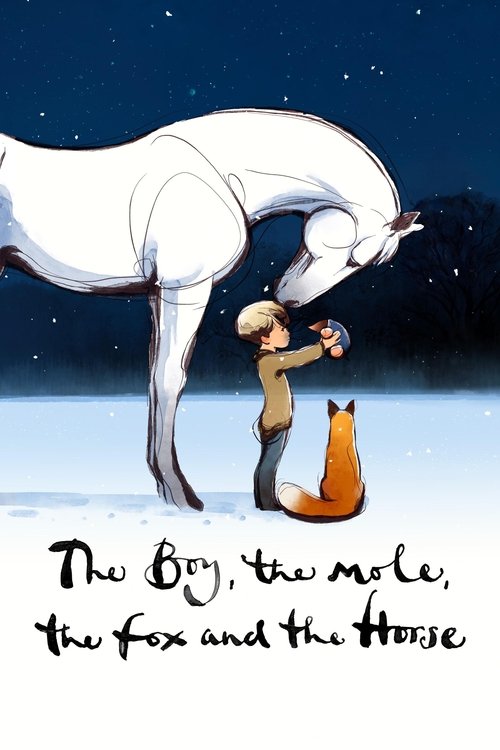
The Boy, the Mole, the Fox and the Horse
"A journey, in search of home."
Overview
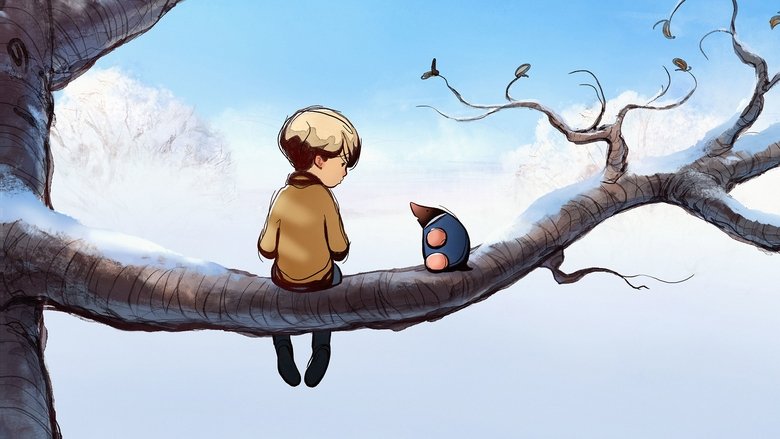
"The Boy, the Mole, the Fox and the Horse" is an animated short film based on the bestselling book by Charlie Mackesy. The story begins with a lost Boy in a snowy wilderness who is searching for a home. He first encounters a kind and cake-loving Mole, who offers his companionship. Together, they embark on a journey, following a river with the hope of finding a village.
Their path leads them to a wary Fox, initially a potential threat, who is shown kindness and eventually joins their group after being freed from a snare by the Mole. Soon after, they meet a gentle and wise Horse, who carries his own burdens and secrets. The four travelers form an unlikely but profound friendship, navigating the quiet beauty and occasional perils of the wilderness.
As they journey, they share simple yet profound conversations about their fears, vulnerabilities, and discoveries about kindness, hope, friendship, and love. The film's narrative is less about reaching a physical destination and more about the emotional journey of finding connection and belonging in one another's company.
Core Meaning
The core meaning of "The Boy, the Mole, the Fox and the Horse" is a powerful and gentle reminder that our true home is found not in a physical place, but in the love and connection we share with others. The director and author, Charlie Mackesy, wanted to convey a message of kindness, hope, and the importance of vulnerability. The film suggests that acknowledging our fears and weaknesses is not a sign of giving up, but a brave act that allows for deeper, more authentic relationships. It posits that the most significant journey we undertake is the one toward self-acceptance and understanding that we are enough, just as we are. Ultimately, the film is a meditation on empathy, celebrating the idea that love and friendship are the most powerful forces to navigate the uncertainties of life.
Thematic DNA
Friendship and Connection
The central theme is the formation of an unlikely friendship among the four protagonists. Each character is in some way isolated or lost, and through their shared journey, they find solace, support, and a sense of belonging in each other's company. The film emphasizes that true connection transcends differences and that being together is what constitutes a 'home.' The narrative arc is driven by their growing bond, from their cautious first encounters to their profound acceptance of one another.
Vulnerability and Courage
The film redefines bravery not as an absence of fear, but as the courage to be vulnerable and ask for help. This is most explicitly stated by the Horse, who says the bravest thing he ever said was "Help." Each character reveals their insecurities: the Boy feels lost and ordinary, the Fox is silent due to past hurts, and the Horse hides his true self to avoid envy. Their willingness to share these vulnerabilities strengthens their bond and is portrayed as their greatest strength.
Kindness and Empathy
Kindness is presented as a transformative and healing force. The Mole's act of kindness in freeing the Fox, despite his fear, is a pivotal moment that changes the group's dynamic. The film is filled with gentle aphorisms about the importance of being kind to oneself and to others. It suggests that empathy is the key to understanding and bridging the gaps between individuals. When the Boy is asked what he wants to be when he grows up, he replies, "Kind."
The Meaning of Home
The Boy's initial quest is to find a physical 'home'. However, the narrative progressively redefines this concept. Through his experiences with his new friends, the Boy comes to understand that home isn't a structure or a place on a map. The film culminates in his realization that "Home isn't always a place." It is the feeling of being loved, accepted, and safe with the companions you cherish.
Character Analysis
The Boy
Jude Coward Nicoll
Motivation
His primary motivation is to find a home. This simple, universal desire drives the narrative forward, but evolves as he realizes his deeper need is for connection and love. He is also motivated by a gentle curiosity and an innate kindness.
Character Arc
The Boy begins his journey feeling lost, alone, and seeking a physical home. His arc is one of discovery; through his interactions with his new friends, he learns about himself and the nature of belonging. He moves from a state of hopeful uncertainty to a profound understanding that home is not a place, but the loving bond he shares with his companions, choosing them over the village he was searching for.
The Mole
Tom Hollander
Motivation
The Mole is motivated by a love for cake and, more deeply, a desire for companionship and to help his friends. He is driven by an optimistic and straightforward philosophy, believing that kindness and enjoying the simple things are what matter most.
Character Arc
The Mole is the first to befriend the Boy and remains a constant source of simple wisdom and enthusiasm. While he doesn't have a dramatic arc of change, his character is revealed to have great depth and courage, such as when he frees the Fox. His arc is about demonstrating that great wisdom and bravery can come in small packages.
The Fox
Idris Elba
Motivation
Initially, the Fox is motivated by survival and caution. After being accepted into the group, his motivation shifts to protecting his new friends. He is driven by a desire to overcome his past and connect with others, even if he finds it difficult to express himself.
Character Arc
The Fox has the most significant character arc. Initially introduced as a silent, potentially dangerous figure, he has been hurt by life and is wary of others. After being shown kindness by the Mole, he undergoes a transformation. He goes from a threat to a protector, saving the Mole from the river. His arc is about learning to trust again and finding his voice and place within a community.
The Horse
Gabriel Byrne
Motivation
The Horse is motivated by a deep sense of compassion and a desire to guide and protect his friends. He seeks to impart the wisdom he has gained from his experiences, particularly about self-worth, courage, and the nature of strength.
Character Arc
The Horse is introduced as a wise and gentle presence, offering profound advice to the group. His personal arc involves revealing his own vulnerability and a secret he has been hiding: he has wings and can fly. He stopped flying because it made other horses envious. Encouraged by the unconditional love of his friends, he finds the courage to be his true self and fly again, symbolizing self-acceptance and embracing one's unique gifts.
Symbols & Motifs
The Wilderness
The snowy, expansive wilderness symbolizes the journey of life itself, with all its beauty, uncertainty, and potential for feeling lost. It is a space where the characters must confront their fears and rely on one another to navigate.
The entire film is set within this vast, quiet landscape. The characters' journey through the snow, woods, and across rivers represents their internal and external struggles. The wilderness is not portrayed as malevolent, but rather as a neutral space that allows for introspection and connection.
The River
The river acts as a guide and a symbol of the path through life. The Mole's advice to "follow the river" to find a home suggests that there is a natural course to follow, even when one feels lost. It also represents challenges, as seen when the Mole falls into its strong current.
The characters decide to follow the river early in their journey. The river becomes a point of both hope and peril. The Fox's rescue of the Mole from the river is a crucial turning point, solidifying his place within the group and demonstrating the power of redemptive acts.
Cake
Cake symbolizes comfort, simple joys, and the Mole's optimistic and life-affirming philosophy. It represents the idea that even in difficult times, there are small, sweet things to look forward to that can provide motivation and happiness.
The Mole frequently talks about cake, and his quest for it is a recurring motif. His belief that having cake can solve problems is a humorous yet gentle reminder to focus on the small, immediate pleasures in life, especially when larger problems feel overwhelming.
The Storm
The storm represents life's overwhelming challenges and moments of crisis that feel out of control. It is a metaphor for both external hardships and internal turmoil, such as anxiety and fear.
As a storm brews, the friends huddle together for shelter. The Horse offers the wisdom: “When the big things feel out of control, focus on what you love right under your nose.” This scene reinforces the theme that connection and focusing on love are the way to endure life's tempests, with the assurance that "this storm will pass."
Memorable Quotes
What do you want to be when you grow up?' 'Kind,' said the boy.
— The Boy
Context:
An early conversation between the Boy and the Mole, as they get to know each other. It sets the tone for their journey and the lessons they will learn and share.
Meaning:
This simple exchange encapsulates the core philosophy of the film, prioritizing a fundamental human quality over ambition or status. It establishes the central value system of the story, suggesting that kindness is the highest aspiration.
What is the bravest thing you've ever said?' 'Help.'
— The Horse
Context:
The Boy asks the Horse this question during one of their quiet, reflective moments on their journey. The Horse's simple, profound answer serves as a key piece of wisdom for both the Boy and the audience.
Meaning:
This quote reframes the concept of bravery, moving it away from traditional notions of heroism and toward the courage of admitting vulnerability. It's a central message of the film, arguing that asking for help is an act of strength and resilience, not weakness.
Tears fall for a reason and they are your strength, not weakness.
— The Horse
Context:
The Horse says this to the Boy after the Boy falls into the river and begins to cry, feeling he has made a mistake. The Horse's words comfort him and offer a different perspective on his emotional reaction.
Meaning:
This line validates the expression of emotion, particularly sadness and pain. It challenges the idea that one must always be stoic, instead presenting emotional release as a source of strength and an important part of the human experience.
Home isn't always a place, is it?
— The Boy
Context:
Towards the end of the film, after seeing the lights of a village, the Boy ultimately decides to stay with his friends, articulating this profound discovery about the true nature of home.
Meaning:
This is the culminating realization of the Boy's journey. It signifies his shift in understanding from seeking a physical location to recognizing that the feeling of belonging, love, and safety with his friends is what truly constitutes a home.
One of our greatest freedoms is how we react to things.
— The Mole
Context:
The Mole says this after he makes the courageous decision to chew through the wire of a snare to free the Fox, even though the Fox had threatened him. His action and subsequent words highlight this theme of conscious, compassionate choice.
Meaning:
This quote speaks to the power of choice and emotional agency. It suggests that while we cannot always control external events, we have the freedom to choose our response, advocating for thoughtful reactions like kindness and compassion over instinctual ones like fear or anger.
Philosophical Questions
What is the true nature of 'home'?
The film begins with a concrete goal: finding the Boy's physical home. However, it systematically deconstructs this idea, suggesting that the universal human search for 'home' is not for a place, but for a state of being. Through the characters' bond, the film explores whether home is a feeling of safety, love, and unconditional acceptance, ultimately concluding that connection with loved ones is the destination we all seek.
What defines true strength and bravery?
The film challenges conventional notions of heroism. It posits that true strength lies not in invulnerability or fearlessness, but in the courage to be vulnerable. The Horse's declaration that asking for "Help" was his bravest act is the central thesis. The film explores how acknowledging fear, admitting to being lost, and showing one's true self, imperfections and all, are the ultimate acts of courage.
Is kindness a choice or a feeling?
Through the Mole's actions towards the Fox, the film frames kindness as a conscious and courageous choice, not just a passive feeling. The Mole chooses to help the Fox despite his fear, suggesting that empathy and compassion are deliberate acts that can overcome instinct. The quote, "One of our greatest freedoms is how we react to things," further reinforces the idea that we have agency in choosing a kind response, regardless of the circumstances.
How do we measure a successful life?
The film gently questions societal metrics of success. When the Boy asks the Mole what he thinks success is, the Mole replies, "To love." This, along with the Boy's desire to be "kind" when he grows up, suggests that the film's philosophy measures a life's worth by the quality of one's relationships and the compassion one shows to others, rather than by achievements or possessions.
Alternative Interpretations
While the dominant interpretation of the film is one of heartwarming sincerity and gentle wisdom, some critics and viewers have offered alternative readings. A notable point of criticism is that the film can feel overly sentimental or "saccharine." From this perspective, the dialogue, composed almost entirely of affirmative and philosophical aphorisms, can come across as preachy or simplistic, lacking the narrative conflict and character complexity found in other stories. Some have described it as a series of inspirational quotes rather than a fully developed plot.
Another, more speculative interpretation that has emerged in audience discussions is the idea that the Boy may be a spirit in an afterlife or purgatory. His state of being "lost" at the beginning, the dreamlike quality of the landscape, and the guidance he receives from the animal spirits could be seen as a metaphor for a soul's journey toward peace or acceptance. In this reading, the concept of "home" takes on a more spiritual or existential meaning, representing a final resting place or a state of inner tranquility rather than a physical destination or earthly companionship.
Cultural Impact
"The Boy, the Mole, the Fox and the Horse" first made its cultural mark as an internationally bestselling book by Charlie Mackesy, published in 2019. Its simple yet profound messages of kindness, hope, and vulnerability resonated deeply with millions, becoming a source of comfort and a psychological handbook for many during the isolation and anxiety of the COVID-19 pandemic. Its success demonstrated a collective longing for gentle, hopeful narratives in uncertain times.
The 2022 animated film adaptation amplified this impact, bringing the beloved illustrations to life for a broader audience. Premiering on the BBC in the UK and Apple TV+ internationally, it was praised by critics for its faithful and beautiful translation of the book's unique visual style and emotional tone. The film's critical success was cemented when it won the BAFTA Award for Best British Short Animation and, most notably, the Academy Award for Best Animated Short Film in 2023. This accolade brought significant attention to the film, solidifying its status as a celebrated piece of animation.
The film has been compared to classics like "Winnie the Pooh" and "The Little Prince" for its gentle, philosophical tone and its appeal to both children and adults. It has entered the cultural lexicon as a modern fable, with its memorable quotes frequently shared on social media as affirmations of kindness and self-worth. The story's influence extends to discussions around mental health, as it normalizes feelings of being lost or afraid and champions the bravery of asking for help.
Audience Reception
Audience reception for "The Boy, the Mole, the Fox and the Horse" has been largely positive, with many viewers echoing the sentiments of critics who praised its heartwarming message and beautiful animation. Many viewers found the film to be a deeply moving and comforting experience, appreciating its gentle tone and its focus on kindness and empathy, especially given the turbulent times in which it was released. The faithful adaptation of the book's beloved illustrations into a moving, breathing world was a frequent point of praise.
However, the film also drew some criticism for the very qualities that others admired. Some viewers found it to be overly sentimental and its dialogue to be a collection of clichés or inspirational platitudes that felt "on the nose." This critique suggests that the film's lack of significant conflict or narrative complexity made the emotional payoff feel unearned to some. A segment of the audience felt that the constant stream of gentle wisdom became repetitive and lacked subtlety. Despite these criticisms, the overall consensus, particularly among families and fans of the book, remains overwhelmingly favorable, with many embracing it as a new holiday classic.
Interesting Facts
- The film's animation was done remotely during the COVID-19 pandemic, with a team of over 120 artists from more than 20 different countries collaborating on the project.
- Author Charlie Mackesy was deeply involved in the film's production, serving as a co-director and co-writer to ensure the adaptation remained faithful to the spirit of his book.
- The book originated from a series of drawings Mackesy began posting on his Instagram account, which gained a massive following and resonated with people globally, particularly during the pandemic.
- In the book, the Boy's face is often obscured or drawn simply, but for the film, the creators had to make a conscious decision to show his expressions more clearly to build a stronger emotional connection with the audience.
- The film won the Academy Award for Best Animated Short Film at the 95th Academy Awards in 2023.
- The musical score was composed by Isobel Waller-Bridge, who had also been involved with the audiobook version.
- The voice cast includes prominent actors Idris Elba as the Fox, Tom Hollander as the Mole, and Gabriel Byrne as the Horse, with newcomer Jude Coward Nicoll voicing the Boy.
⚠️ Spoiler Analysis
Click to reveal detailed analysis with spoilers
Frequently Asked Questions
Explore More About This Movie
Dive deeper into specific aspects of the movie with our detailed analysis pages
Comments (0)
No comments yet. Be the first to share your thoughts!