
The Boy Who Harnessed the Wind - Symbolism & Philosophy
Symbols & Motifs
The Windmill
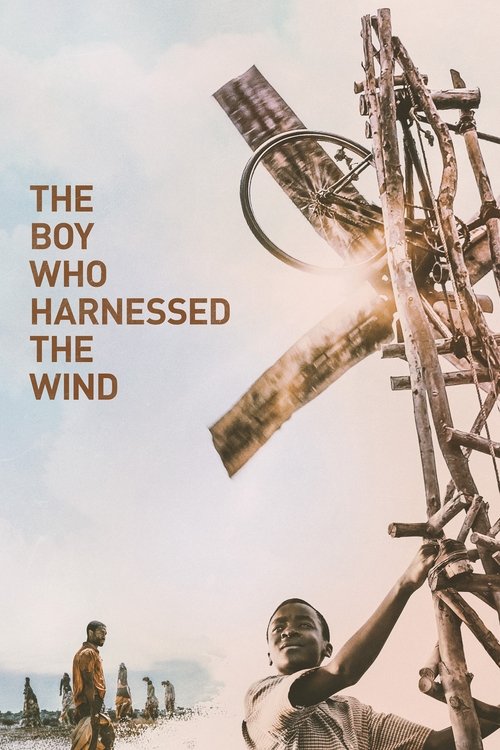
The windmill is a powerful symbol of hope, innovation, and the triumph of human ingenuity over adversity. It represents a departure from the cycle of poverty and famine, offering a tangible solution through the application of scientific knowledge. It also symbolizes the power of a single individual's vision to inspire and bring about monumental change.
The windmill is the central focus of William's efforts throughout the second half of the film. He conceives, designs, and builds it from scrap materials, facing numerous setbacks and the ridicule of his community before it ultimately proves successful in pumping water for irrigation.
The Bicycle
The bicycle, particularly its dynamo, symbolizes the initial spark of scientific curiosity and the potential for existing technology to be repurposed for greater innovation. For William's father, it represents a significant family asset and a connection to his past. The ultimate decision to dismantle the bicycle for the windmill signifies a sacrifice of the old for the promise of a new future.
William is fascinated by the bicycle's dynamo and its ability to generate light. The climax of the family drama occurs when William must convince his father to let him take apart the family's only bicycle to use its parts for the larger windmill.
The Library Book 'Using Energy'
The textbook 'Using Energy' symbolizes the power of knowledge and education. It represents the key that unlocks William's potential and provides him with the scientific principles needed to turn his idea into a reality. The book is a beacon of hope and a testament to the importance of access to information.
After being forced to leave school, William discovers the book in the school library. Its diagrams and explanations of windmills become his guide and the foundation for his own invention, which he studies diligently.
Philosophical Questions
To what extent can individual ingenuity overcome systemic failure?
The film explores this question through William's success in the face of a corrupt government and a devastating famine. It celebrates his individual brilliance and perseverance, suggesting that one person's innovation can make a life-or-death difference. However, it also implicitly raises the question of whether such individual heroism is a sustainable solution to widespread, systemic problems like poverty and climate change, or if it is a rare exception to a grim reality.
What is the relationship between tradition and progress?
This question is explored through the central conflict between William and his father, Trywell. Trywell represents the wisdom and pragmatism of tradition, which has ensured his family's survival for generations. William, on the other hand, embodies the promise of progress through scientific knowledge. The film suggests that while tradition provides a vital foundation, progress and adaptation are necessary for survival and advancement in a changing world. It ultimately argues for a synthesis of the two, where new ideas are embraced to solve age-old problems.
What is the true value of education?
The film posits that the true value of education lies not in formal certification, but in its ability to empower individuals to think critically, solve problems, and transform their circumstances. William's story is a powerful testament to the idea that access to knowledge, even in its most basic form like a library book, can be a catalyst for profound change, transcending the limitations of poverty and a lack of formal schooling.
Core Meaning
The core meaning of "The Boy Who Harnessed the Wind" is a testament to the transformative power of education, innovation, and perseverance in overcoming seemingly insurmountable adversity. The director, Chiwetel Ejiofor, conveys a powerful message about the potential that lies within individuals, particularly the youth, to bring about significant change in their communities. The film champions the idea that knowledge, even when acquired through unconventional means, can be a more potent force than superstition or resignation. It's a celebration of human ingenuity and the refusal to accept a bleak fate, highlighting that with determination and a willingness to challenge the status quo, one person can indeed illuminate the darkness.