
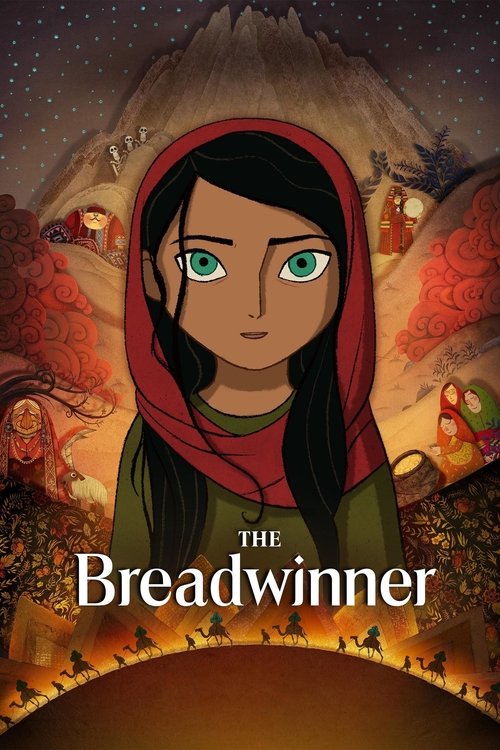
The central plot of "The Breadwinner" follows Parvana's efforts to support her family and free her father, Nurullah. After disguising herself as a boy, "Atesh," she reconnects with her friend Shauzia, and together they take on difficult labor, including the grim task of digging up bones from a graveyard to sell. Parvana's main goal is to earn enough money to bribe the guards at the prison where her father is held.
A major reveal occurs within Parvana's recurring story about the young boy fighting the Elephant King. Late in the film, as warplanes fly over Kabul and bombs begin to fall, Parvana finally names the hero of her story: Sulayman, her deceased older brother. In a moment of emotional catharsis, she recounts how he died: he found a small object on the street, picked it up, and it exploded. It was a landmine. This revelation clarifies that the entire story has been her way of processing this deep trauma and her survivor's guilt. The Elephant King symbolized her grief and fear, which she finally confronts by speaking the truth of her brother's death.
The climax intercuts Parvana's perilous journey to the prison with the end of her fable. As Sulayman faces the Elephant King in her story, Parvana arrives at the prison gates amidst chaos. There, she finds Razaq, a kind but illiterate Taliban member she had befriended and taught to read. Overcome with guilt for the regime's brutality, Razaq helps her, bringing out her frail and weak father. At the same time, Parvana's mother, sister, and brother are forced to leave Kabul with a cousin, heading to Mazar-i-Sharif for safety. The family is split. The film ends ambiguously: Parvana and her father are in the back of a truck leaving the city, while the rest of the family travels separately. They are separated by war, but alive, holding on to the fragile hope of finding each other again.