The climax reveals the ultimate irony of the film: the bridge is destroyed not by the deliberate strategy of the commandos, but by a chaotic sequence of deaths. Joyce is killed, Shears is killed, and Nicholson—after nearly stopping the demolition to save his 'creation'—is mortally wounded by a mortar. His final line 'What have I done?' signals his sudden clarity. His death on the plunger is the final 'madness,' as the very thing he spent the movie protecting is blown into the river. The ending implies that in war, even the most meticulous planning and the most rigid discipline cannot prevent a descent into total, entropic chaos.
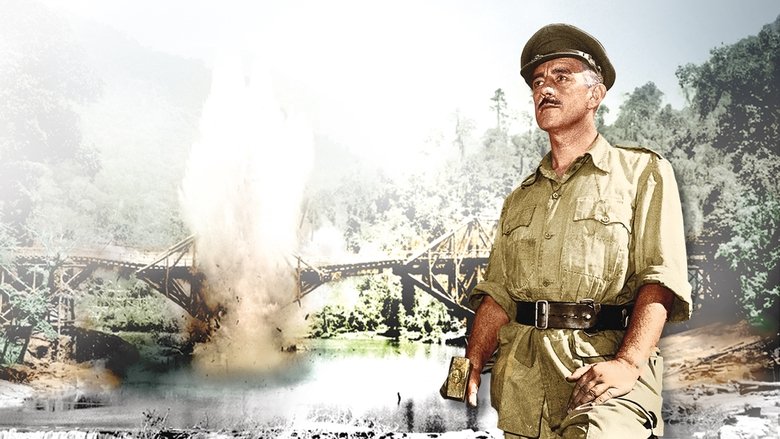
An epic wartime tragedy where rigid British discipline clashes with survivalist cynicism, culminating in a bridge that becomes a monument to both engineering genius and the devastating absurdity of human conflict.
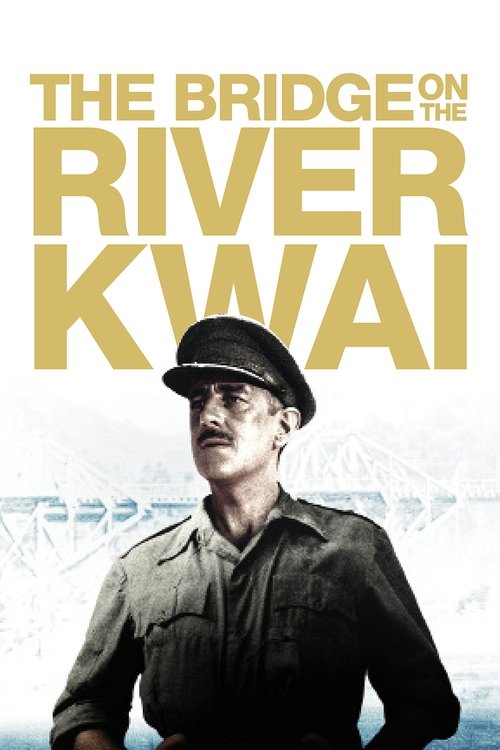
The Bridge on the River Kwai
"It spans a whole new world of entertainment!"
11 October 1957
United Kingdom
161 min
7.8
(2,268)
Director: David Lean
Cast: William Holden, Alec Guinness, Jack Hawkins, Sessue Hayakawa, James Donald
Drama
War
History
The Absurdity of War
Duty vs. Hubris
The Clash of Cultures
Survival vs. Sacrifice
Discipline and Morale
Budget:
$2,800,000
Box Office:
$44,908,000
The Bridge on the River Kwai — Ending Explained
⚠️ Spoiler Analysis
Alternative Interpretations
A major point of debate is whether Nicholson's final fall onto the detonator was an accidental stumble caused by a mortar blast or a final act of redemption. Some critics argue he intentionally depressed the plunger to rectify his error, while others believe the tragedy is deeper if it was a purely accidental event, suggesting that fate—not the characters' will—ultimately decided the bridge's fate. Another reading suggests the film is pro-British in its depiction of ingenuity and discipline, while some British veterans at the time viewed it as anti-British for showing an officer aiding the enemy.
Explore More About This Movie
Dive deeper into specific aspects of the movie with our detailed analysis pages