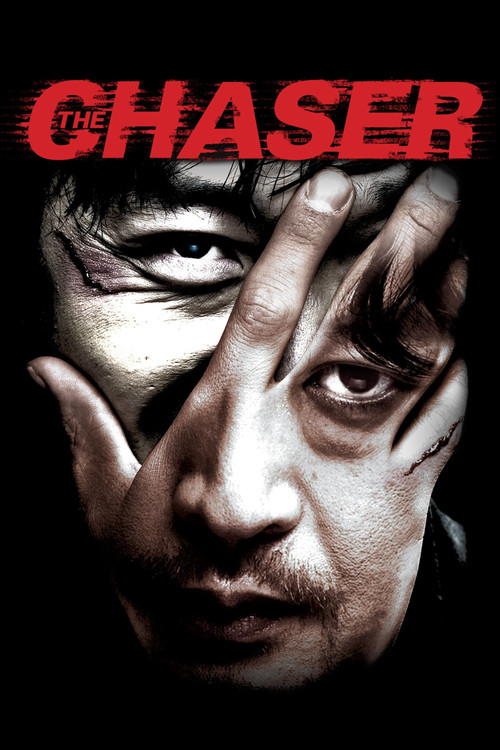
추격자
"The hunter and the hunted, the ultimate chase begins."
The Chaser - Symbolism & Philosophy
Symbols & Motifs
The Hammer and Chisel
Symbolizes the brutal, manual nature of the violence. Unlike guns, these tools require physical effort and proximity, reflecting the visceral and intimate horror of the crimes.
Yeong-min uses these tools, typically associated with construction or sculpture, to destroy life in his bathroom torture chamber.
The Number 4885
Represents the digital footprint of evil and the commodification of the victims. It serves as the only link between the disparate missing women.
Joong-ho realizes the pattern by checking his call logs, shouting the iconic line identifying the killer by these last four digits.
Rain and Night
A classic noir motif symbolizing hopelessness, confusion, and the moral murkiness of the world the characters inhabit. It washes away evidence but traps the characters in gloom.
Most of the chase sequences and the grim discovery of the truth happen during heavy downpours or in the dead of night.
The Church/Crucifix
Represents the silence of God and the irony of salvation. The killer works on religious sculptures, hiding his evil behind a facade of holiness.
Bodies are buried in the yard of a house near a church, and Yeong-min is shown carving a crucifix, juxtaposing sacred imagery with profane acts.
Philosophical Questions
Does a 'dirty' life have value?
The police and society show little interest in the missing women because they are prostitutes. The film challenges the audience to find empathy for victims deemed 'disposable' by society, asking if the worth of a life is determined by social standing.
Is justice possible within a broken system?
The film suggests that legal justice is a farce, bound by red tape that protects the guilty. True justice is shown as primal and personal, yet ultimately futile, raising the question of how to confront evil when the law fails.
Core Meaning
Director Na Hong-jin presents a scathing critique of institutional incompetence and societal apathy toward the marginalized. The film argues that in a system paralyzed by bureaucracy and corruption, justice becomes a personal, violent burden. It explores the possibility of redemption for a man who commodifies women, suggesting that true humanity is found not in preserving the law, but in the desperate struggle to save a single, disregarded life.