Skip to content
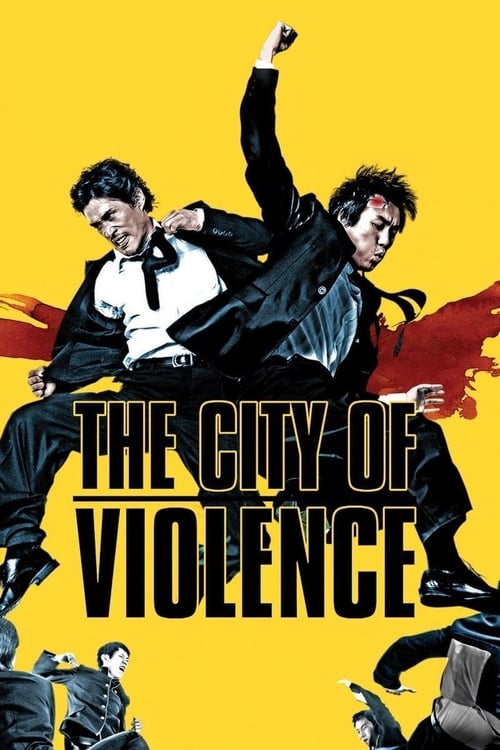
The City of Violence
Drenched in gritty nostalgia and relentless adrenaline, this kinetic urban neo-noir transmutes fractured brotherhood into a furious ballet of flying fists and shattered glass.
The City of Violence

짝패

"The rowdy pair is in town."

25 May 2006 South Korea 92 min 6.6 (155)

Director: Ryoo Seung-wan

Cast: Jung Doo-hong, Ryoo Seung-wan, Lee Beom-soo, Jeong Seok-yong, An Kil-kang

Crime Action Thriller The Corruption of Brotherhood and Loyalty Rampant Capitalism and Urban Exploitation The Futility and Catharsis of Vengeance Nostalgia versus Harsh Reality
Budget: $2,700,000

The City of Violence — Ending Explained

⚠️ Spoiler Analysis

The central mystery unravels to reveal that Wang-jae was not killed by random delinquent youths, but was systematically assassinated on orders from his own brother-in-law, Jang Pil-ho. Wang-jae had opposed the casino development project to preserve peace in the town, standing in the way of Pil-ho's corporate ambitions. Pil-ho orchestrated the hit using local youths, subsequently murdering the teen killers to erase all connections. When Dong-hwan uncovers the paper trail, Pil-ho orchestrates a lethal car crash to eliminate him as well.

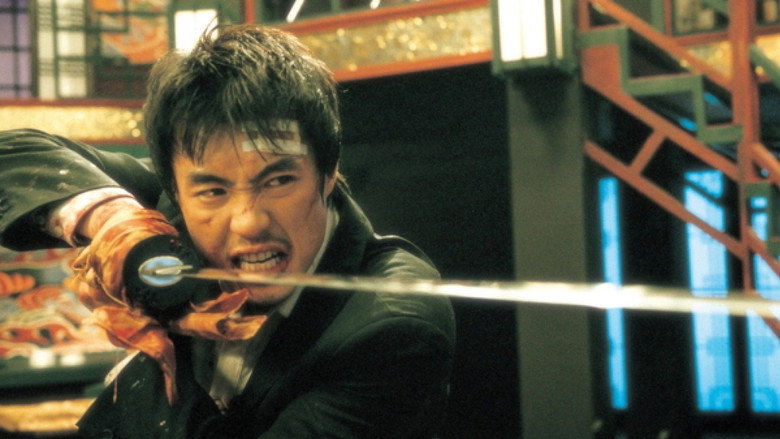
Realizing the depth of Pil-ho's treachery, Tae-su and Seok-hwan stage an audacious, suicidal assault on Pil-ho's lavish stronghold. Fighting through corridors packed with four distinct waves of elite martial artists and blade-wielding guards, the duo systematically decimates Pil-ho's criminal empire. In the brutal climax, Pil-ho mortally wounds Tae-su before Seok-hwan and Tae-su manage to overcome and execute him. The film concludes on a haunting, tragic note: as Tae-su bleeds to death on the tatami mats, his dying thoughts retreat to bittersweet memories of his teenage friends laughing together by a creek, highlighting the catastrophic human wreckage left behind by avarice.

Alternative Interpretations

While widely celebrated as a straightforward martial arts revenge spectacle, some film analysts interpret the work as a bitter socio-political satire of modern South Korea's developmental fever. In this reading, Pil-ho represents the ascendant, amoral corporate-political coalition that dismantles traditional community ties for commercial speculative gain, whereas Tae-su and Seok-hwan embody obsolete moral relics incapable of surviving in late-capitalist society.

Explore More About This Movie

Dive deeper into specific aspects of the movie with our detailed analysis pages

Similar Movies