The film's emotional climax hinges on several key reveals. The Letters: Celie discovers that her sister Nettie is alive and has been writing to her for years, but Mister has been hiding the letters. This betrayal is the catalyst for Celie finally leaving him. The Curse: When Celie leaves, she curses Mister. Following this, Mister's life falls apart—his farm decays, and he becomes a drunk. The Redemption: In a twist from the book, the film shows a broken Mister using his remaining money to help bring Nettie and Celie's children back from Africa. He watches their reunion from a distance, acknowledging his penance. The Reunion: The film ends with an emotional reunion in a field of purple flowers where Celie meets her adult children and sister, completing her journey from isolation to wholeness.
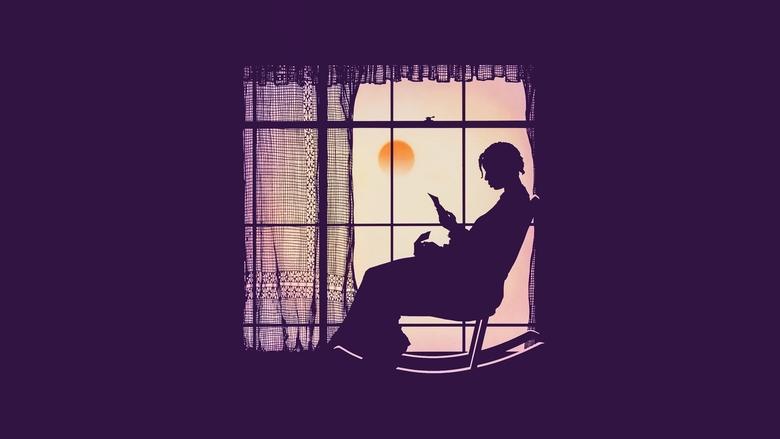
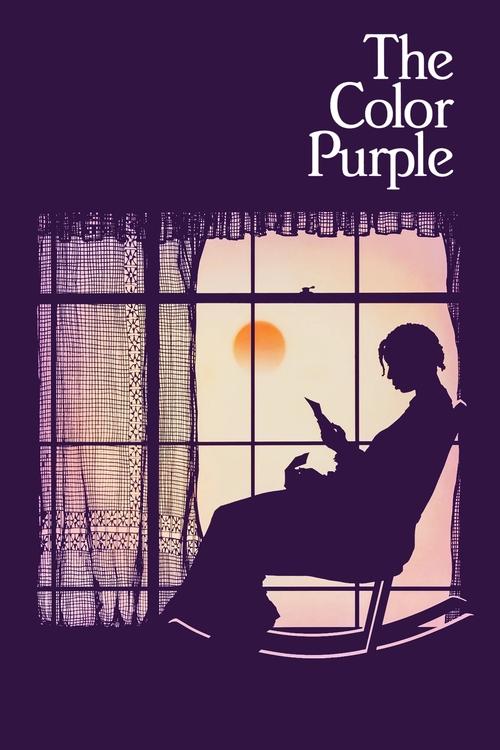
"It's about life. It's about love. It's about us."
Director: Steven Spielberg
Cast: Danny Glover, Whoopi Goldberg, Margaret Avery, Oprah Winfrey, Willard E. Pugh
The Color Purple — Ending Explained
⚠️ Spoiler Analysis
Alternative Interpretations
The "Sanitized" Adaptation: Many critics and scholars interpret the film as a "Disneyfied" version of Alice Walker's novel. They point to the softening of the lesbian relationship between Celie and Shug—reduced to kisses rather than a full sexual awakening—and the sentimental ending as evidence of Spielberg making the story more palatable for white, mainstream audiences.
Mister's Redemption: The film offers a redemption arc for Mister (Albert) that is largely absent from the book. Some view this as Spielberg's attempt to humanize the villain and offer a message of universal forgiveness, while others see it as undermining the severity of his abuse and the necessity of Celie's complete break from him.
Explore More About This Movie
Dive deeper into specific aspects of the movie with our detailed analysis pages