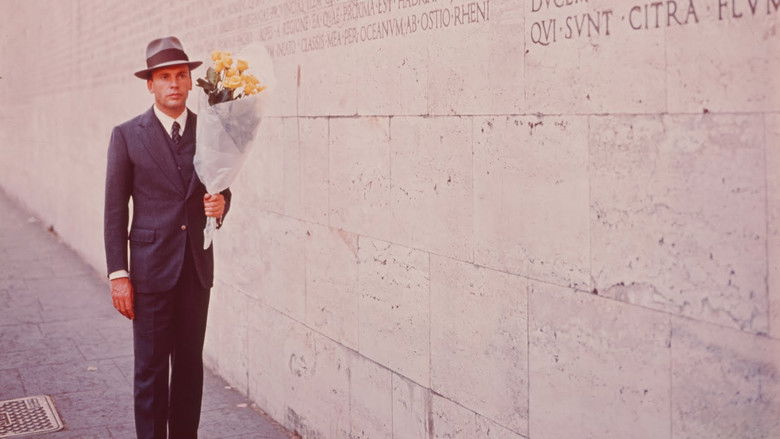
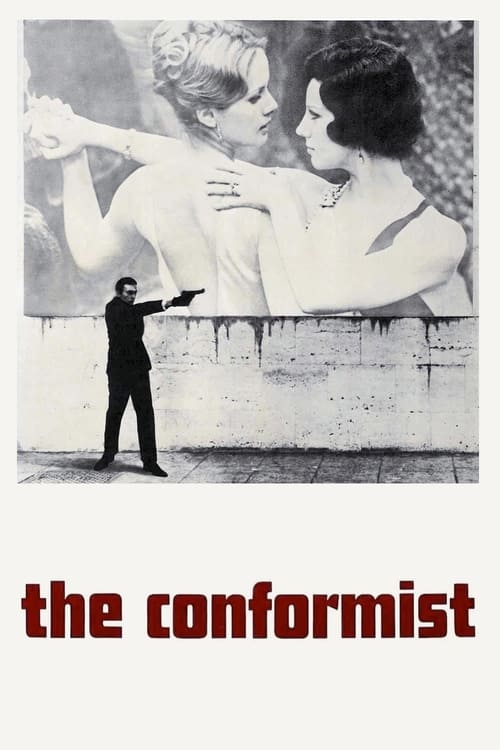
The tragic irony of the film is that Marcello's entire adult life is built on a traumatic lie. He believes that as a young boy, he murdered the chauffeur Lino, who had attempted to sexually assault him. This immense guilt and fear of his own deviance drives his obsessive, lifelong need to conform to fascist "normalcy".
During the climax in the snowy woods of Savoy, Marcello's moral paralysis reaches its peak. He sits frozen in his car, passively watching as his mentor Quadri is brutally stabbed to death by fascist thugs. When Anna escapes into the woods and bangs desperately on Marcello's car window for help, he does absolutely nothing, watching her get hunted down and shot. His inaction is his ultimate crime.
The devastating final twist occurs in 1943 after the fall of Mussolini's regime. Wandering the dark streets of Rome, Marcello discovers that Lino is actually alive. His entire quest for normalcy, his marriage, and the murders he facilitated were based on a false premise. Stripped of his fascist identity and his foundational trauma, Marcello immediately betrays his blind fascist friend Italo and denounces Lino to the new anti-fascist mob. The final shot reveals him as a completely hollow shell, ready to conform to whatever new ideology takes power.